


House Committee to probe prediction market insider trading on Kalshi, Polymarket

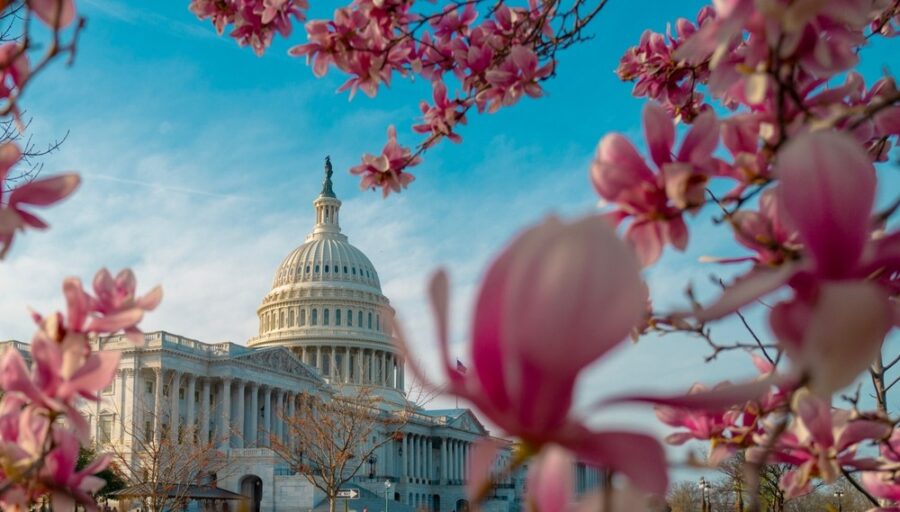
James Comer, Chairman of the House Oversight and Government Reform Committee, says the committee will be investigating potential insider trading on prediction market platforms Kalshi and Polymarket.
In an interview with CNBC’s Squawk Box on Friday, Comer said that the committee was seeking information from both companies about how they monitor suspicious trading activity and prevent the misuse of nonpublic information.

“There’s a concern now that members of Congress, members of the president’s administration, any type of government employee, can use basic insider knowledge and make huge profits on anything government-related,” he said.
According to Comer, letters have been sent to Kalshi and Polymarket to request documents used for identity verification procedures, geographic restrictions, and details of systems used to detect unusual trades. A deadline for responses has been set for 5 June.
The investigation follows several incidents involving trades linked to political events and international conflicts.

Last month, a US soldier was arrested for allegedly using inside information to place bets on political developments in Venezuela through Polymarket. Reports also have identified trading activity placed shortly before military strikes involving Iran.
Prediction markets let users wager on the outcomes of events like elections, sports contests, and government actions, and the platforms have faced increased scrutiny from lawmakers as their popularity has grown.
The latest investigation follows the introduction of several bipartisan bills in Congress this year as lawmakers push for tighter regulation of prediction markets.
Charlotte Capewell brings her passion for storytelling and expertise in writing, researching, and the gambling industry to every article she writes. Her specialties include the US gambling industry, regulator legislation, igaming, and more.

Dig Deeper
Related stories
 2026/05/01: Polymarket partners with Chainalysis on insider trading detection
 2026/03/25: Kalshi and Polymarket introduce new insider trading restrictions
 2025/10/24: NHL signs multi-year deals with Kalshi and Polymarket
 2026/01/28: The Coalition for Prediction Markets reacts to controversial Maduro bet on Polymarket
2026/05/01: Polymarket partners with Chainalysis on insider trading detection
2026/03/25: Kalshi and Polymarket introduce new insider trading restrictions
2025/10/24: NHL signs multi-year deals with Kalshi and Polymarket
2026/01/28: The Coalition for Prediction Markets reacts to controversial Maduro bet on Polymarket
The Backstory
Why Congress is zeroing in now
Prediction markets have been edging into mainstream politics and finance for two years, but a series of trades seemingly tied to sensitive government actions jolted Washington into action. Platforms such as Kalshi and Polymarket let users wager on outcomes of elections, policy decisions and sports, and their growth has intensified scrutiny from lawmakers and regulators worried about insider use of nonpublic information. The flashpoints included trading that reportedly occurred just before military strikes involving Iran and the arrest last month of a U.S. soldier alleged to have bet on political developments in Venezuela, raising alarms about whether insiders could profit off government knowledge.
Committee Chairman James Comer previewed the House probe in a cable interview, saying the panel will ask the companies how they detect suspicious activity and prevent misuse of government information. The timetable is fast: responses are due by June 5. His comments tracked with a broader political turn against lightly supervised event contracts. Senior lawmakers in both parties have pushed legislation to curb insider trading on prediction platforms and, in some cases, to restrict what kinds of markets can be offered.
Kalshi and Polymarket, sensing the gathering storm, have rolled out policy changes and technology partnerships to convince overseers the venues can police themselves. Yet the moves have not quieted critics who say voluntary measures are no substitute for hard rules and independent enforcement.
Self-policing meets a wall of skepticism
In March, the platforms tightened their guardrails. Kalshi said it would block politicians, athletes and other at-risk figures from trading in markets they could influence and added an on-site whistleblower tool to flag suspect activity in public trade data. Polymarket clarified what counts as insider trading, including using stolen or confidential information, acting on illegal tips or trading by those who can sway outcomes. Both efforts were detailed in new insider trading restrictions announced by Kalshi and Polymarket.
The political response was swift. Rep. Alexandria Ocasio-Cortez called Kalshi’s update “not enough,” arguing that staff, advisers and spouses can still exploit privileged access. Her public critique underscored a key tension: even if platforms screen for obvious conflicts, the gray area of influence in politics is wide. She posted the criticism on X as lawmakers debated whether to ban or strictly limit sports and political markets.
Polymarket has tried to turn blockchain transparency into a defense. It struck a compliance-focused partnership with Chainalysis, saying the firm’s tools and training will bolster pattern detection and on-chain investigations. The collaboration, described in Polymarket’s partnership with Chainalysis, aims to give regulators and the public clearer audit trails than traditional markets often provide. Whether that technical edge can offset policy concerns about insider access remains an open question.
Regulators assert their turf
The Commodity Futures Trading Commission has moved to clarify that event contracts fall under its derivatives mandate, not state gambling law, and that it can police misconduct on these venues. The agency recently reminded market participants it has full authority to act against insider trading and manipulation, citing instances where Kalshi penalized traders tied to events they could influence. That stance, captured in the CFTC’s reaffirmation of enforcement authority, signaled the commission’s willingness to coordinate with platforms yet keep the option to prosecute.
Chairman Michael Selig has also pushed back against states attempting to lump prediction markets into sportsbook regimes. He said event contracts and sports betting are “different products, parallel regimes,” a view that has intensified a jurisdictional fight. The CFTC backed Kalshi in a court clash with Ohio regulators and is courting help from professional leagues to spot manipulation. In remarks outlined in the agency’s outreach to sports, Selig said the CFTC is in talks with every major league and already has an understanding with Major League Baseball, per the CFTC’s engagement with major sports leagues. The goal: build early-warning channels when trading patterns and league intel collide.
Sports pushback raises the stakes
Pressure is also coming from the leagues themselves. The NFL urged platforms to stop listing markets it says are easily manipulated or predetermined, including wagers tied to broadcast commentary, transactions, officiating, injuries and even safety incidents. In letters to operators, the league warned that such markets invite suspicion and reputational harm for teams and personnel. The case was laid out in the NFL’s call to curb insider-prone markets.
The league’s stance aligns with regulators’ concerns: when outcomes can be swayed by a small set of insiders — or are known inside clubs before public disclosure — retail traders are on the wrong side of the information curve. That argument is not limited to sports. Political markets can hinge on embargoed data releases, sealed indictments or internal personnel moves. As the product mix has widened, the line between “information-rich” and “insider-riddled” markets has blurred, complicating risk controls for platforms and oversight for the CFTC.
States and Congress crowd the field
Even as the CFTC asserts federal primacy, statehouses are drafting their own rules. Pennsylvania lawmakers introduced legislation to tax and oversee prediction market operators, citing consumer protection gaps and insider risk. Minnesota moved a measure this spring aimed at banning or regulating certain event contracts. The crosscurrents create a fragmented landscape for platforms and users, with compliance obligations potentially varying by jurisdiction even if the CFTC prevails on its federal claims.
On Capitol Hill, bipartisan bills would curtail insider trading on prediction venues and, in some proposals, restrict sports wagering within event contracts. The political momentum built as media attention sharpened. In a television interview, Comer said the oversight panel had sent letters to Kalshi and Polymarket seeking identity verification, geo-fencing and surveillance protocols, according to CNBC’s account of his remarks. The dynamic reflects a familiar Washington pattern: industry push to self-regulate, targeted enforcement by the primary federal regulator, mounting state activity and, when conduct remains contested, congressional inquiries that can set the stage for statute.
What comes next
The immediate test is how fully Kalshi and Polymarket answer the House committee’s questions and whether those responses reveal process gaps in screening, data analytics or enforcement. The platforms will likely point to recent steps — Kalshi’s trade restrictions and whistleblower channel, Polymarket’s Chainalysis tie-up — as evidence of progress. Regulators will look for more than policy language: incident reports, escalation logs and cooperation with law enforcement.
The CFTC, meanwhile, is positioning itself as the central cop on the beat while building data-sharing ties with sports leagues. Its willingness to back exchanges in legal fights with states suggests an institutional interest in drawing a bright jurisdictional line. Leagues like the NFL are expected to keep pressing for the removal of markets they deem too easy to game, which could shrink the product set and reduce headline risk.
Congress can reshape the terrain fastest. Clear statutory limits on who can trade which markets, and when, would stiffen compliance expectations and reduce the gray zones that have fueled criticism. Until then, the sector sits in a precarious middle: growing volumes and visibility, expanding compliance toolkits, and escalating political risk.
