


LeBron James sues sport betting research app Bron for trademark infringement

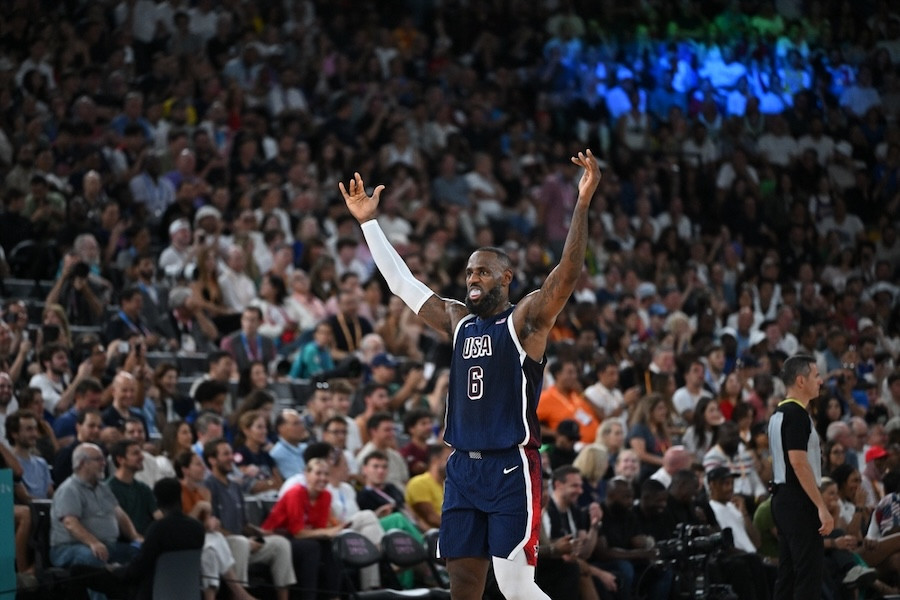
Basketball star LeBron James has reportedly sued the company behind sports betting research application Bron, alleging trademark infringement over the use of his nickname and AI-generated imagery of him.
According to Reuters, the suit was filed in a Manhattan federal court, with James saying the platform was not given permission to use “one of the most recognizable identities in the world,” worth millions when applied to product endorsement, advertising or other monetary avenues.
The complaint indicates that an endorsement from the NBA star is “uniquely valuable,” and that the defendants “decided to steal it for themselves,” naming Bron co-founders Anish Gupta and Marc Zoghby among the defendants in the case.
The suit aims to stop the defendants from using the Bron name, and require them to provide undisclosed compensation and punitive damages.
LeBron has previously partnered with sports betting operators, including a deal with DraftKings which ended in September, prompting him to endorse prediction market operator Polymarket in a deal reportedly worth over US$15 million a year.

James has also invested in a fantasy sports advice platform.
According to the NBA rules, players are not allowed to directly promote betting or contracts on NBA matches, and players aren’t allowed to hold investments of more than 1% in a gambling or prediction market company.
Bron, which is also known as PlayVision, is not a direct betting operator, describing itself as a “sports analytics and betting research app with live odds comparisons, data-backed picks, player and team trends, a multi-leg Slip, and bet tracking” application that doesn’t take wagers.

This isn’t the first time James has challenged the use of his likeness in AI-created content, with a cease-and-desist order sent by his lawyers in 2025 to Interlink AI.

Dig Deeper
Related stories
 2026/10/04: NBA’s Victor Wembanyama rules out sports betting brand partnerships
 2026/09/17: LeBron James’ Polymarket deal reportedly worth $15 million a year
 2026/06/30: Former NBA stars Malik Beasley and Ed Davis indicted in illegal betting scandal
2026/10/28: Former NBA star Malik Beasley to plead guilty in federal sports betting case: report
2026/10/04: NBA’s Victor Wembanyama rules out sports betting brand partnerships
2026/09/17: LeBron James’ Polymarket deal reportedly worth $15 million a year
2026/06/30: Former NBA stars Malik Beasley and Ed Davis indicted in illegal betting scandal
2026/10/28: Former NBA star Malik Beasley to plead guilty in federal sports betting case: report
The Backstory
A collision of athlete identity and betting technology
LeBron James’ lawsuit against the sports betting research app Bron sits at the intersection of three fast-moving disputes in U.S. sports: the commercial value of athlete identity, the spread of wagering-adjacent technology and the legal uncertainty around artificial intelligence-generated likenesses. The complaint, filed in federal court in Manhattan, targets a product that does not take bets but promotes itself as a sports analytics and betting research app, including odds comparisons, trends, picks, bet tracking and multi-leg slip tools.
That distinction matters because the platform, also known as PlayVision, operates near the sports betting economy without being a sportsbook. James’ allegation is that the app crossed a different line: using his widely known nickname and AI-created imagery to benefit from an association he did not authorize. For a player whose name, likeness and endorsements carry exceptional commercial value, the case is less about a single app than about control over how athletes are presented in a market increasingly built around data, wagering insights and viral promotion.
The lawsuit also follows earlier action by James’ lawyers over AI-created content, underscoring how celebrity enforcement is shifting from traditional trademark disputes to digital impersonation, synthetic media and brand confusion. In that context, the Bron case tests whether a sports betting research platform can invoke a familiar nickname without creating the appearance of endorsement, particularly when its business model depends on sports fans making decisions around wagering markets.
James’ own move into prediction markets raised the stakes
The dispute comes after James moved deeper into the broader wagering ecosystem through a major commercial arrangement with Polymarket. In September, he partnered with Polymarket after his DraftKings deal ended, appearing in a promotional video tied to the prediction market platform’s football offering. The agreement came as prediction markets were expanding their sports presence while facing pushback from regulators who argue event contracts can resemble sports betting and should fall under gambling laws.
Reporting later put a large price tag on that relationship. James’ Polymarket deal was reportedly worth $15 million a year, more than three times his listed NBA salary for the season cited in that report. He was described as a paid endorser rather than an equity investor, a distinction that matters under NBA rules and in assessing the type of commercial rights at issue in the Bron case.
Those prior endorsements help explain why James would treat the alleged unauthorized use of “Bron” as commercially significant. His complaint says an endorsement from him is uniquely valuable. That claim is reinforced by his recent ability to command eight-figure annual compensation from a prediction market operator. If a company in the sports betting research sector can create an implied association with James without a license, it could dilute the value of actual sponsorship rights that brands pay heavily to secure.
The case also highlights the line the NBA has drawn for players. They are restricted from directly promoting betting on NBA games and from holding more than a small stake in gambling or prediction market companies. But the league does not categorically bar player endorsements in adjacent sectors, provided they avoid NBA wagering products. James’ partnerships have navigated that space by focusing on football or prediction markets. Bron’s alleged use of his identity now puts the same commercial terrain under judicial scrutiny from a trademark and right-of-publicity perspective.
NBA stars are splitting over gambling’s influence
The lawsuit lands amid a broader debate inside basketball over whether elite players should participate in betting-related advertising at all. San Antonio Spurs player Victor Wembanyama recently ruled out sports betting brand partnerships, saying he would not promote gambling and criticizing the visibility of players who do. His comments reflected a reputational divide: sports betting and prediction markets offer lucrative endorsement opportunities, but they also expose athletes to backlash over gambling harms, fan pressure and integrity concerns.
That divide is becoming more pronounced as leagues and operators deepen commercial ties. The NBA has expanded relationships with gaming companies, including daily fantasy sports partnerships, while athletes, broadcasters and former players increasingly appear in ads for sportsbooks, fantasy platforms and prediction markets. At the same time, critics argue that sports figures are helping normalize wagering among younger fans and blurring the separation between competition and betting activity.
James occupies a particularly visible position in that debate. He is not merely another athlete endorser; he is one of the most recognized figures in global sports. His decision to work with Polymarket signaled that prediction markets were moving from niche trading platforms into mainstream sports marketing. His lawsuit against Bron now reinforces the other side of that prominence: because his association can drive consumer attention, he has strong incentives to police unauthorized uses that might suggest he backs a product he did not choose.
For companies operating in the sports analytics and betting-advice category, the message is direct. Branding that leans on athlete nicknames, AI images or cultural references can invite legal risk if consumers could interpret it as endorsement. That risk grows when the athlete has active paid relationships in adjacent sectors because the market can assign real monetary value to the association.
Integrity cases intensified scrutiny of betting-adjacent products
Commercial disputes over endorsements are unfolding alongside a more serious concern for leagues: whether betting markets can create incentives to manipulate performance. The federal case involving former NBA player Malik Beasley has kept that issue in the foreground. Beasley was among those charged after prosecutors alleged a prop-betting scheme tied to NBA player statistics, and he later was reported to be preparing to plead guilty in the federal sports betting case.
Earlier, Beasley and Ed Davis were indicted in an alleged illegal betting scandal involving at least four games during the 2023-24 season. Prosecutors alleged Beasley altered his on-court statistics to benefit bettors placing prop wagers, with communications and wagering activity routed through mobile apps and retail sportsbooks. The indictment also said some operators used in the alleged scheme were official NBA betting partners, illustrating the difficulty of separating regulated commercial relationships from integrity threats.
Those allegations are distinct from James’ trademark case, but they form part of the same regulatory and reputational backdrop. Betting research apps, odds comparison tools and prop analysis products are built around the granularity of modern wagering. They can be legal, useful and consumer-facing without taking bets. But they also sit in an ecosystem where leagues are under pressure to protect competition, prevent insider abuse and reassure fans that player performance is not influenced by betting markets.
That pressure makes athlete identity especially sensitive. A platform that appears linked to a star player could gain credibility among users seeking wagering guidance. If the association is unauthorized, the harm is not only commercial but reputational, particularly in a period when players’ relationships with betting firms are being examined by fans, regulators and prosecutors.
What the lawsuit could signal for sports marketing
James’ claim seeks to stop the defendants from using the Bron name and obtain damages, including punitive damages. The outcome could influence how aggressively athletes and their representatives challenge branding in the wagering-adjacent economy. A ruling or settlement favorable to James would likely reinforce the need for apps, data providers and betting content companies to vet names, imagery and AI-generated creative against athlete trademarks and publicity rights.
The case also could shape how companies use AI in sports promotion. Synthetic images can create an immediate impression of endorsement even when no real photograph or video is used. For public figures, that can undermine negotiated sponsorship markets. For consumers, it can blur whether a product has been approved by an athlete, league or team. Courts have long handled disputes over names and likenesses, but AI tools make unauthorized association cheaper, faster and easier to scale.
The stakes extend beyond James. Sports betting in the U.S. has grown into a multibillion-dollar industry, and prediction markets are competing for a share of the same fan attention. As more platforms build products around odds, statistics and player props, the value of athlete trust will rise. The Bron lawsuit is therefore not an isolated celebrity complaint. It is a marker of how sports stars, leagues and betting-adjacent companies are negotiating control, credibility and liability in a market where brand association can be as valuable as the wager itself.