


LeBron James partners with Polymarket after DraftKings deal ends

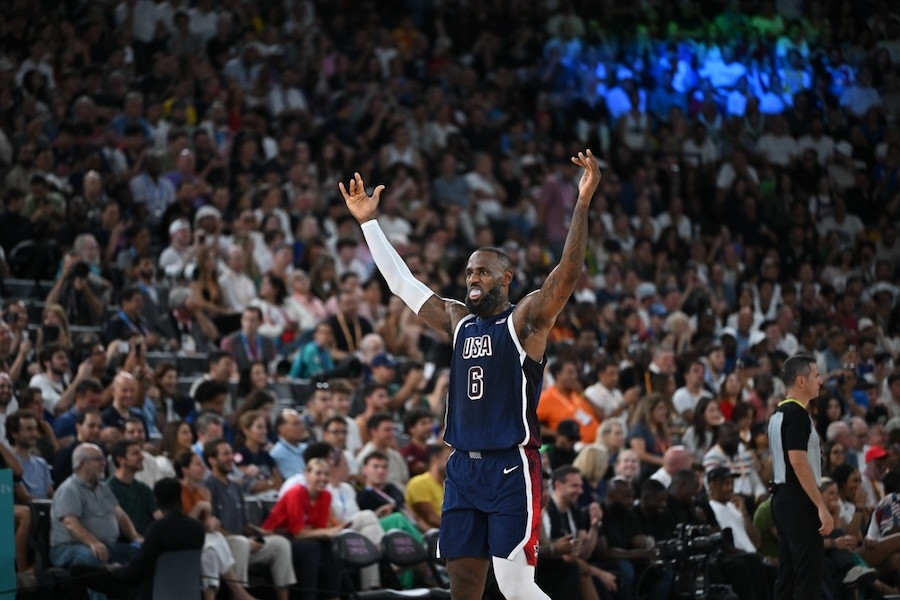
NBA star LeBron James is set to partner with prediction market platform Polymarket following the expiration of his endorsement deal with gambling operator DraftKings earlier this year.
James announced the partnership on social media on 5 September, posting a short video from a fictional Polymarket headquarters on X. The post received almost 10 million views within seven hours.

A representative for the NBA player claimed that the video was a preview for a wider campaign launching this week, with the partnership focused on football, according to Front Office Sports.
The NBA doesn’t specifically prohibit players from endorsing prediction markets but they cannot promote contracts tied to the NBA, which is similar to the league’s existing rules around traditional sports betting.
The partnership comes as prediction markets continue to expand across the US, with many state regulators and lawmakers arguing that sports event contracts amount to sports betting and should be subject to gambling laws instead of being treated as financial products.

Recent disputes in states like Michigan and Kentucky showcase the ongoing disagreement over how prediction market platforms should be regulated.
James joins a growing number of athletes and sports organizations working with prediction market platforms. Polymarket has agreements with professional sports leagues such as MLB, NHL, MLS, Serie A and LaLiga, as well as with teams such as the New York Rangers and New York Yankees.
The deal comes as Polymarket continues to expand its US presence and attract significant investment, with a reported US$1 billion funding round involving investment company 1789 Capital, potentially valuing the company at over US$21 billion.

Dig Deeper
Related stories



The Backstory
Prediction markets move deeper into sports
LeBron James’ move to Polymarket lands at a pivotal moment for prediction markets, which are trying to convert financial-market status into mainstream sports reach. The partnership follows the end of James’ DraftKings endorsement and gives Polymarket one of the most recognizable athletes in U.S. sports as it seeks wider acceptance among fans, leagues and regulators.
The timing is significant. Prediction market operators have spent the past year expanding beyond politics and financial events into sports outcomes, player-adjacent markets and media partnerships. Their pitch is that event contracts are regulated financial products rather than wagers governed by state gambling laws. That distinction has allowed platforms to pursue a national growth strategy under federal oversight, while licensed sportsbooks continue to operate through state-by-state approvals.
The result is a fast-developing conflict between two regulatory models. Sportsbooks argue prediction markets are offering sports betting without the same licensing, tax and consumer protection obligations. Prediction market companies say they operate under federal commodity rules and provide a different product. James’ association with Polymarket raises the profile of that debate because athlete endorsements have long been a sensitive area for leagues, regulators and gambling companies.
League deals give platforms legitimacy
Polymarket’s effort to win mainstream sports credibility has accelerated through league partnerships. The company and rival Kalshi recently secured multi-year agreements with the NHL, giving both platforms access to league data and rights. The deals allow use of NHL branding on products offered by the platforms and their brokers or merchants, with exposure during regular-season games, the Stanley Cup Playoffs, the Winter Classic and the Stadium Series.
Those agreements marked one of the clearest signs that major sports properties are willing to experiment with prediction markets despite pushback from gambling industry groups. The NHL framed the category as a fan engagement tool, while the platforms positioned official league data and branding as a way to build trust. For Polymarket, the deal added institutional support at a time when it is trying to re-establish a U.S. presence.
The backlash was immediate. The American Gaming Association told ESPN the NHL’s move was “deeply concerning,” arguing that professional leagues should not lend their brands to companies that, in its view, operate outside state gambling laws and consumer protection rules. The reaction showed the stakes for leagues: prediction markets offer new sponsorship inventory and engagement products but risk alienating regulated betting partners and state officials.
James’ campaign with Polymarket fits into that same legitimacy push. The NBA does not specifically ban players from endorsing prediction markets, but players cannot promote contracts tied to NBA events. That guardrail resembles restrictions placed on traditional sports betting promotions and indicates that leagues are treating the category cautiously, even when they have not fully classified it as gambling.
Capital has followed the regulatory opening
Investor interest has strengthened Polymarket’s position. Intercontinental Exchange, the parent company of the New York Stock Exchange, pledged to invest US$2 billion in the platform, creating an US$8 billion valuation for Polymarket. The investment came as Polymarket prepared to return to the U.S. after a three-year absence through its purchase of QCEX, a Commodity Futures Trading Commission-regulated derivatives exchange.
That transaction is central to the company’s U.S. strategy. By acquiring a regulated derivatives exchange, Polymarket gained a path back into the market under federal rules rather than through state gambling approvals. Intercontinental Exchange also said it would distribute Polymarket’s event-driven data, potentially embedding prediction market information deeper into financial and media infrastructure.
The ICE deal also sent a signal beyond sports. A major exchange operator’s investment suggested that event contracts could become a broader asset class, not merely a speculative entertainment product. That matters for Polymarket’s argument that its markets belong in financial regulation. It also gives the company a blue-chip partner as lawmakers, state agencies and gaming regulators scrutinize whether sports contracts should be treated differently from politics or economics markets.
Earlier investment from 1789 Capital, a firm backed by Donald Trump Jr., added political visibility to the company’s fundraising story. Reuters reported on that investment at Polymarket’s 1789 Capital funding. Together, the capital raises have helped prediction markets move from crypto-adjacent niches into a competitive category that now overlaps with sportsbooks, exchanges, broadcasters and leagues.
Sportsbooks are building their own media defenses
The growth of prediction markets comes as traditional operators deepen their control over sports media integrations. FanDuel recently became the odds provider and partner for NBA and WNBA coverage on Amazon Prime Video, adding bet tracking, odds views and betting content to broadcasts. The FanDuel-Amazon NBA and WNBA partnership shows how licensed sportsbooks are trying to make wagering content part of the viewing experience while staying within established regulatory frameworks.
That contrast is important. FanDuel’s Prime Video integration places betting content inside one of the largest sports streaming products in the U.S., but it does so as a state-licensed sportsbook partner. Prediction markets are pursuing a parallel form of engagement without the same state licensing model. Both approaches target the same consumer behavior: fans who want odds, probabilities and stakes connected to live sports.
For broadcasters and leagues, the commercial incentives are clear. Betting and prediction content can keep viewers engaged longer, create sponsor inventory and generate data products. But the proliferation of odds-like products also increases pressure on leagues to clarify boundaries. When an NBA icon such as James promotes Polymarket, even outside NBA-specific markets, the distinction between prediction markets and sports betting becomes harder for casual fans to parse.
Integrity concerns shape the backdrop
The scrutiny is heightened by recent basketball betting scandals. Former NBA players Malik Beasley and Ed Davis were indicted as part of an alleged illegal betting scheme tied to the 2023-24 season. Prosecutors alleged that Beasley altered on-court statistics in certain games to benefit bettors placing prop wagers. The case, detailed in the Beasley and Davis betting indictment, involved charges including wire fraud conspiracy, bribery in sporting contests and money laundering conspiracy.
The indictment is not directly tied to prediction markets, but it underscores why leagues are cautious about any product that lets consumers trade on player or game outcomes. Prop betting has become one of the most controversial parts of sports wagering because it can focus incentives on individual performance moments. Even when markets are offered legally, regulators and leagues worry about inside information, harassment of athletes and attempts to manipulate outcomes.
That environment makes James’ endorsement more than a marketing deal. It tests how far star athletes can go in promoting platforms that resemble wagering to many consumers but claim a different legal status. It also raises questions about whether league rules written for sportsbooks can be adapted quickly enough for prediction markets, especially as platforms sign teams, leagues and media partners.
The next fight is classification
The central unresolved issue is classification. If sports event contracts are financial products, platforms such as Polymarket and Kalshi can scale nationally under federal oversight. If they are sports bets, states will seek licensing authority, tax revenue and enforcement power. Nevada has already told licensees it views sports event contracts like traditional wagers, meaning they can only be offered by entities with appropriate gaming approval in the state.
That dispute will define the commercial value of Polymarket’s sports push. Athlete partnerships, league branding and major exchange investment all strengthen the company’s position with consumers and investors. They also give opponents more reason to press regulators for limits. James’ involvement brings mass attention to a market category that had already been growing quickly. The question now is whether that visibility accelerates acceptance or forces a faster regulatory reckoning.
