


Kalshi enters MLB partnerships despite strong regulatory opposition

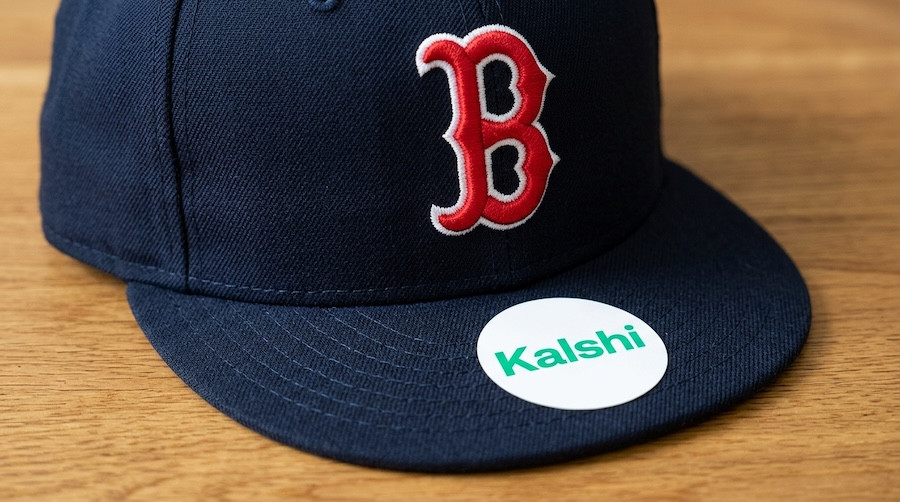
Kalshi has silently entered into sponsorship deals with Major League Baseball teams the Los Angeles Dodgers and Boston Red Sox. Although not publicly announced, the partnerships come at a time when Kalshi sees heavy opposition in the states where the teams are based.
Sportico was the first to report the news, adding that the lack of an official press release from Kalshi or either team suggests both parties may be avoiding potential backlash, as happened to fellow MLB team the New York Mets after their July announcement of a partnership with prediction market platform Novig.

Kalshi branding was displayed at both the Dodgers’ digital outfield signage and behind the home plate this month, while the Red Sox placed Kalshi’s logo in a social media graphic on Friday, displaying the tag line, “see what happens next on Kalshi.”
Despite the silent partnerships between the Dodgers and Red Sox, Kalshi is still unable to escape controversy. For the Dodgers, the sponsorship clashes with its tribal casino partnership with the San Manuel Nation.
The San Manuel Nation has been an outspoken critic of prediction markets, arguing that their operation in California goes against the Indian Gaming Regulatory Act by offering sports-event contracts on tribal land.

Last week, the Indian Gaming Association (IGA) also met with California tribal leaders to discuss legislative updates. One of the topics for discussion was prediction markets, which the IGA said it would continue to support tribes’ fight for sovereignty.
In June, the IGA, along with other industry bodies, sent a letter to Congress urging a ban on sports-event contracts. In August, at a Senate Indian Affairs Committee roundtable, the IGA pushed for provisions in the Clarity Act to ensure that gambling would continue to be regulated by states and tribes.
The Red Sox’s partnership with Kalshi also comes at odds with Massachusetts’ decision to ban sports-event contracts in the state. Kalshi was sued in September last year by the state’s attorney general. A January decision by a Massachusetts Superior Court judge enabled the state to block Kalshi.
Charlotte Capewell brings her passion for storytelling and expertise in writing, researching, and the gambling industry to every article she writes. Her specialties include the US gambling industry, regulator legislation, igaming, and more.

Dig Deeper
Related stories
 2026/07/15: Indian Gaming Association takes prediction market fight to Washington, D.C.
 2025/04/01: FanDuel and DraftKings made peace with California tribes over sports betting expansion
 2026/07/21: AGA and IGA call for ban on sports event contracts ahead of Congressional hearing
 2025/07/25: Red Sox’s Lucas Giolito confronts MLB commissioner about sports betting
2026/07/15: Indian Gaming Association takes prediction market fight to Washington, D.C.
2025/04/01: FanDuel and DraftKings made peace with California tribes over sports betting expansion
2026/07/21: AGA and IGA call for ban on sports event contracts ahead of Congressional hearing
2025/07/25: Red Sox’s Lucas Giolito confronts MLB commissioner about sports betting
The Backstory
Team deals put prediction markets in the middle of baseball’s betting fight
Kalshi’s quiet sponsorship arrangements with the Los Angeles Dodgers and Boston Red Sox landed at a sensitive moment for Major League Baseball, state regulators and tribal gaming interests. The company has argued that its sports-event contracts are federally regulated financial products, not sports wagers. Its critics say the practical effect is the same as online sports betting, but without the licensing, taxes, age limits and responsible-gambling rules that states and tribes have spent years building.
The MLB tie-ups sharpen that conflict because they place Kalshi’s brand inside two of the country’s most scrutinized gaming jurisdictions. California has not legalized online sports betting and tribal nations remain the central political force in any expansion. Massachusetts has legal sports wagering but has moved to keep Kalshi’s sports contracts out of the market. The result is a sponsorship strategy that gives Kalshi visibility in baseball while its legal right to offer sports markets remains contested in the very states attached to those teams.
Massachusetts moved first with a direct legal challenge
The Red Sox connection is especially fraught because Massachusetts Attorney General Andrea Joy Campbell sued Kalshi in Suffolk Superior Court in September, alleging the company was unlawfully promoting and accepting online sports wagers. The state’s lawsuit against Kalshi over alleged illegal sports wagering said its yes-or-no event contracts on moneylines, point spreads and totals closely resembled products offered by licensed sportsbooks.
Campbell’s office argued Kalshi had not obtained a sports wagering license from the Massachusetts Gaming Commission and was therefore bypassing state consumer protections. Those concerns included Massachusetts’ minimum online sports betting age of 21, responsible-gambling tools, deposit limits, maximum-wager rules and state oversight. The state also said Kalshi promoted its offerings through mainstream channels and made them available through platforms such as Robinhood, increasing the potential reach of products regulators viewed as sports betting.
The complaint, available through the state as a filed court document, became one of the most visible state-level challenges to prediction markets’ sports products. A Superior Court ruling in January allowed Massachusetts to block Kalshi while the litigation continued, and the dispute later moved to the Massachusetts Supreme Judicial Court. For Kalshi, that case is a test of whether federal commodities oversight can preempt state sports-betting regimes. For Massachusetts, it is a defense of a licensing system adopted after years of legislative debate.
The case also fits Campbell’s broader focus on gambling harms. Before the Kalshi lawsuit, her office had pursued unlicensed online operators and announced a public-private youth sports betting safety initiative. That backdrop makes a Red Sox sponsorship with Kalshi more than a marketing question. It intersects with an active enforcement agenda in the team’s home state.
Tribal sovereignty drives the California backlash
The Dodgers arrangement raises a different but equally consequential issue: tribal sovereignty. California’s gaming structure gives tribes a central role, and online sports betting has failed without their support. The Dodgers already have a casino partnership with the San Manuel Nation, a prominent tribal gaming operator that has criticized prediction markets as a way to offer sports gambling on tribal land without complying with the Indian Gaming Regulatory Act.
That dispute is part of a national tribal campaign. The Indian Gaming Association has warned that sports-event contracts threaten state and tribal authority by allowing gambling-like products through a federal commodities framework. In July, the group convened tribal leaders in Washington to press Congress to act, saying prediction markets posed one of the greatest threats tribal government gaming had faced in a generation. The association’s Washington push against prediction market gambling focused on adding language to the CLARITY Act to bar sports and casino-style gambling through prediction markets and preserve tribal, state and federal gaming laws.
The California context is particularly important because commercial sportsbook operators have recently tried to repair relations with tribes after a costly and unsuccessful 2022 ballot fight. DraftKings and FanDuel executives used the Indian Gaming Association’s annual convention in San Diego to acknowledge missteps and signal that any future California sports-betting proposal would need to be tribal-led. Their effort to make peace with California tribes over sports betting expansion underscored how much political capital is required to enter the state legally.
Kalshi’s model cuts across that fragile reset. While sportsbooks are publicly emphasizing partnerships, licensing and tribal approval, prediction markets argue they can operate under federal commodities law. That difference explains why tribal leaders see the issue not merely as competition but as an existential challenge to compacts that fund government services, health care, education, housing and public safety.
Congressional scrutiny has widened beyond one company
The fight has moved from state courts and tribal meetings to Capitol Hill. The American Gaming Association and Indian Gaming Association have called for a ban on sports-event contracts, arguing they are sports bets offered under a different label. Ahead of a House Agriculture subcommittee hearing on prediction markets, the two organizations prepared testimony warning that the products could bypass regulatory systems that protect consumers and generate state tax revenue.
The industry groups’ call for a ban on sports event contracts before a congressional hearing framed the issue as one of market integrity and regulatory consistency. The AGA has said it does not oppose prediction markets as financial markets. Its objection is to sports contracts that, in its view, replicate sportsbook products while avoiding rules imposed on licensed betting operators.
Supporters of prediction markets counter that the Commodity Futures Trading Commission already has authority to regulate event contracts and that the products are traded as swaps rather than booked as wagers. That argument is central to Kalshi’s position. But it has not settled the political question. If Congress, courts or regulators decide sports-event contracts are functionally gambling, Kalshi’s ability to scale sports products through national distribution and sponsorships could be sharply constrained.
Baseball’s own gambling exposure raises the stakes
MLB’s acceptance of sports betting revenue has coincided with growing concern about the effect on players. Red Sox pitcher Lucas Giolito recently pressed Commissioner Rob Manfred about betting-related abuse, saying athletes and their families were facing a rising volume of hostile messages tied to wagers. His concerns, detailed in a report on Giolito confronting MLB’s commissioner about sports betting abuse, reflect a broader problem across professional and college sports.
That player-safety issue complicates any league or team association with companies tied to sports speculation. Even regulated sportsbooks operate in an environment where athletes can be targeted by bettors angry over individual performances. Prediction markets may add another layer by presenting sports outcomes as tradable contracts and expanding access to users who might not meet a state’s legal sports betting age.
For MLB clubs, sponsorship inventory is valuable and gambling-adjacent brands have become major buyers across sports. But the Kalshi deals show the risk of moving faster than the legal consensus. A partnership can deliver visibility for a sponsor while exposing teams to criticism from regulators, tribes, players and established betting operators that already comply with state licensing rules.
A visibility play with legal and political costs
Kalshi’s MLB presence appears designed to normalize prediction markets as mainstream sports products. Stadium signage and team social media placements can make the brand look like part of the same commercial ecosystem as licensed sportsbooks, broadcasters and data companies. That may help attract users and investors, but it also invites greater scrutiny from officials who argue the company is operating outside the sports-betting framework.
The timing is therefore central to the backstory. Massachusetts is actively litigating. Tribal gaming groups are pressing Congress. California tribes are guarding control over any sports-betting expansion. National gaming associations are seeking a statutory ban. Players are raising safety concerns linked to betting behavior. Against that backdrop, Kalshi’s team partnerships are not isolated sponsorship deals. They are a public test of whether prediction markets can win legitimacy through federal regulation and sports marketing before state, tribal and congressional opponents can force clearer limits.
