


AGA and IGA call for ban on sports event contracts ahead of Congressional hearing

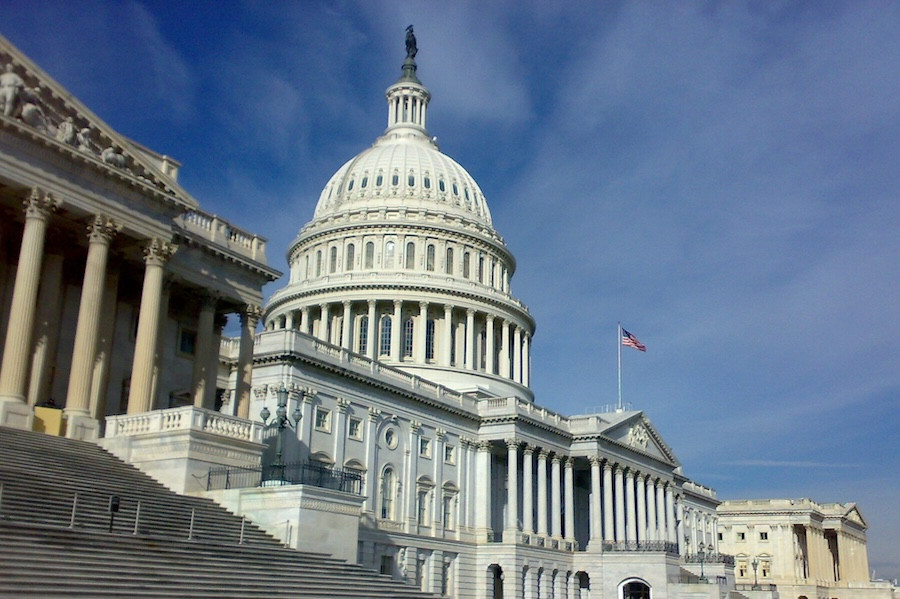
US gambling industry trade organizations, the American Gaming Association (AGA) and Indian Gaming Association (IGA), are calling for a ban on sports event contracts offered by prediction market platforms like Kalshi, ahead of a Congressional hearing on 21 July.
According to testimonies from both organizations acquired by gaming lawyer Daniel Wallach, the AGA and IGA will argue for an outright ban on these contracts during the House Committee on Agriculture Subcommittee on Commodity Markets, Digital Assets, and Rural Development hearing.

The session, titled “Examining Prediction Markets: Customer Protections and Market Integrity in Sports Event Prediction Markets,” will look at the growth of sports-related prediction markets and their regulation.
The two associations argue that sports event contracts raise concerns around consumer protection and regulatory oversight.
In its statement, the AGA noted that it does not oppose prediction markets as financial markets, but rather that its sports-event contracts are essentially sports betting that operate “under the guise of federally regulated financial products.”

In a letter sent to the Senate in June, both the AGA and IGA, as well as other gaming industry groups including the Association of Gaming Equipment Manufacturers (AGEM), argued that sports-event contracts bypassed state and tribal law and “undercut” the industry by impacting jobs, tax revenue, and community funding.
Making an appearance on CNBC’s Squawk Box back in May, AGA President and CEO Bill Miller also argued that states have so far missed out on US$1 billion in tax revenue due to the rise of prediction markets.
However, despite staunch opposition from industry representatives, testimonies from witnesses supporting prediction markets argue that the Commodity Futures Trading Commission (CFTC) already has the authority to regulate them.

The Congressional hearing comes as prediction markets face scrutiny across the US, with lawmakers examining whether sports event contracts should be regulated like traditional sports betting.
Charlotte Capewell brings her passion for storytelling and expertise in writing, researching, and the gambling industry to every article she writes. Her specialties include the US gambling industry, regulator legislation, igaming, and more.

Dig Deeper
Related stories
 2026/07/22: US Congress questions whether CFTC is fit to oversee prediction markets
 2026/07/15: Indian Gaming Association takes prediction market fight to Washington, D.C.
 2025/12/19: DraftKings launches prediction market without Railbird
 2025/11/25: What does the future hold for prediction markets after big players break from AGA?
2026/07/22: US Congress questions whether CFTC is fit to oversee prediction markets
2026/07/15: Indian Gaming Association takes prediction market fight to Washington, D.C.
2025/12/19: DraftKings launches prediction market without Railbird
2025/11/25: What does the future hold for prediction markets after big players break from AGA?
The Backstory
Prediction markets moved from niche finance to a gambling flashpoint
The fight over sports event contracts has escalated quickly because it sits at the intersection of two regulatory systems that were not built to share control. Prediction market operators such as Kalshi frame the products as federally regulated derivatives overseen by the Commodity Futures Trading Commission. The gambling industry, state regulators and tribal gaming interests argue the same products function as sports bets, but without the licensing, age limits, tax obligations and responsible gambling rules that apply to sportsbooks.
That tension now frames the congressional hearing on sports event prediction markets. The American Gaming Association and Indian Gaming Association are not asking lawmakers to refine the products at the margins. They are pressing for a ban on sports contracts, arguing that the CFTC’s inaction has allowed prediction markets to expand into activity they say is “indistinguishable from legal sports betting.” The stakes extend beyond legal classification. If sports outcomes can be traded nationally through financial platforms, state and tribal gambling compacts, tax systems and licensing regimes could lose their practical force.
A Super Bowl test widened the regulatory gap
The current dispute gained momentum after mainstream trading platforms began offering sports-linked contracts to customers beyond the traditional betting market. In February, Robinhood launched event contracts ahead of the Super Bowl, letting eligible users trade on the outcome of the Kansas City Chiefs-Philadelphia Eagles matchup. The product was offered as an event contract, not a sports wager, and was made available in all 50 states.
That national reach sharpened the central conflict. Online sports betting remains restricted by state law, with several states still barring mobile wagering and others requiring operators to partner with casinos or tribal entities. Event contracts offered through financial platforms appeared to bypass that state-by-state framework. For gambling regulators, the issue was not merely whether the product resembled betting. It was that a customer in a state without legal online sports betting could still take a position on a sporting outcome through a trading account.
Robinhood’s Super Bowl product also demonstrated why the debate is no longer limited to Kalshi or Polymarket. Once large consumer finance brands began testing sports outcomes, gaming interests saw the possibility of a broad parallel market. The concern is that sports wagering could migrate from regulated sportsbook apps to financial trading platforms, creating inconsistent age controls, different advertising standards and fewer tools for identifying problem gambling behavior.
States pushed back before Congress took center stage
Nevada became an early proving ground for the enforcement side of the dispute. In March, Nevada secured a short-term ban on some Kalshi contracts, with a state court order temporarily blocking event-based contracts tied to sports, elections and entertainment. The order required Kalshi to obtain state gambling licenses and limit users to those 21 and older if it wanted to continue offering the affected products in the state.
The Nevada action underscored a practical problem for prediction markets: federal designation does not automatically resolve state gambling questions. Kalshi has argued that its contracts are lawful because they fall under CFTC oversight. State regulators counter that when the underlying event is a sports outcome, the product triggers gambling laws regardless of the trading label attached to it.
The Wall Street Journal’s report on the Nevada order, available at this link, highlighted how courts have become a key battleground. But litigation moves slowly, while the products can scale quickly. That mismatch is one reason the AGA and IGA have turned to Congress. They argue that waiting for state-by-state rulings could leave consumers exposed and give platforms time to normalize sports contracts before clear limits are imposed.
Gaming groups shifted from warnings to a legislative campaign
The industry’s position has hardened over several months. In June, the AGA, IGA, Association of Gaming Equipment Manufacturers and other groups asked Congress to block sports-related event contracts, saying the products weakened consumer protections and undercut a locally controlled gambling system that funds jobs, tax revenue and community priorities.
The groups also argued that the CFTC lacks the expertise and infrastructure to police gambling-related harm. The financial regulator is designed to oversee commodity and derivatives markets, not compulsive betting, underage gambling or sports integrity risks. That distinction matters because licensed sportsbooks face detailed state requirements covering know-your-customer checks, exclusion lists, promotional limits, audits and suspicious wagering reports.
The legislative strategy became more explicit when the AGA and IGA urged Congress to address sports event contracts in letters to both chambers. They said prediction markets had expanded rapidly since January 2025, moving from single-game outcomes toward parlays and potential college transfer portal markets. To the industry, that evolution showed how quickly a financial product could begin to mirror the sportsbook menu if not checked by statute.
The groups tied their request to broader cryptocurrency market structure legislation, arguing that Congress should ensure gambling and casino-style products cannot be offered under the guise of event contracts. That approach reflects a recognition that the CFTC may not voluntarily retreat from the space. If lawmakers define the boundary, the agency would be forced to apply it.
CFTC uncertainty raised the political stakes
The role of the CFTC has become central because prediction markets rely on the premise that federal commodities oversight preempts state gambling objections. But recent nomination proceedings suggested the agency may be reluctant to draw a bright line on sports contracts without direction from courts or Congress.
After a Senate Agriculture Committee hearing for CFTC nominee Michael Selig, the AGA defended states’ and tribes’ rights to regulate sports betting. AGA President and CEO Bill Miller said the hearing left important questions unanswered about how the agency would address prediction markets’ move into sports betting. Selig indicated the issue was legally complicated and working through the courts, a response that frustrated gaming advocates who want immediate regulatory intervention.
That exchange exposed the policy vacuum Congress is now being asked to fill. If the CFTC treats sports contracts as valid financial instruments, prediction market operators may continue expanding while state gambling agencies pursue enforcement actions. If states prevail, platforms could face a patchwork of prohibitions and licensing demands. Either path creates uncertainty for operators, sportsbooks, tribes and customers.
The debate also has divided the broader gambling ecosystem. FanDuel and DraftKings have reportedly explored prediction markets while moving away from the AGA, signaling that some major operators may see opportunity in the same model trade groups are trying to block. That split complicates the industry’s public message but also illustrates the commercial stakes. If sports event contracts are permitted, established sportsbooks may feel pressure to enter the market rather than cede it to financial platforms.
Congress is being asked to decide what a bet is
The upcoming hearing gives lawmakers a chance to address a question that regulators have so far handled unevenly: When does a trade on a real-world event become gambling? For elections, weather and economic data, prediction markets have long argued they provide useful forecasting information. Sports outcomes are different because the United States already has a mature, heavily regulated wagering system built around the same events.
The AGA and IGA are trying to keep that system intact. Their argument is causal: If prediction markets can offer sports contracts nationally, they bypass state and tribal law; if they bypass those laws, regulated operators lose exclusivity and governments lose tax revenue; if oversight shifts to the CFTC, consumer protections designed for gambling may not follow. Prediction market supporters counter that federal regulation already exists and that event contracts should not be collapsed into sportsbooks simply because the subject matter is sports.
The hearing is unlikely to end the dispute. But it marks a shift from agency interpretation and state litigation to federal political judgment. Congress may have to decide whether sports event contracts are innovation in financial markets or an unlicensed form of sports betting. The answer could determine whether prediction markets remain a limited derivatives product or become a national alternative to the state-regulated sportsbook model.
