


New Zealand not planning gambling ad ban like Australia

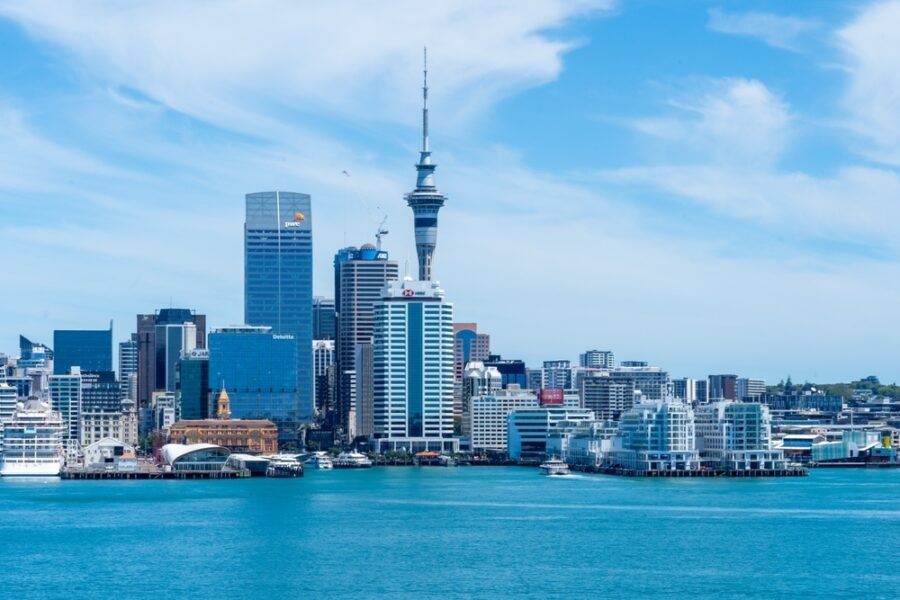
New Zealand is not planning to introduce limits on sports gambling advertising akin to those announced in Australia, although online casino advertising regulations are likely.
Australia’s Prime Minister Anthony Albanese recently confirmed new rules, including limits on television betting advertisements between 6am and 8.30pm and a full ban during live sports broadcasts within those hours.

Additional measures include bans on radio ads during school drop-off and pick-up times, as well as on the use of athletes and celebrities in gambling promotions. Advertising on team uniforms and at sports venues will also be restricted.
According to The New Zealand Herald, the Department of Internal Affairs said it is monitoring developments in Australia, and the Racing Industry Amendment Act 2025, which came into force in June, gives the government the power to introduce new advertising regulations.
However, officials indicated the government plans to assess the existing system before introducing new rules.

Online casino advertising will be addressed under the proposed Online Casino Gambling Bill. Planned restrictions include banning advertisements during live broadcasts likely to attract child audiences, limiting placements where more than 20% of viewers are under 18, and banning endorsements.
There is significant opposition to that bill, however, with more than 50 sporting organizations warning that it could affect community sports funding.
Meanwhile, the Advertising Standards Authority reported handling 955 complaints across 306 gambling advertisements, with 12 raising issues under its existing code, and a review of the code is due to begin later this year.

Dig Deeper
Related stories
 2025/07/03: New Zealand’s closed licensing regime presents ‘good test case’ for better regulation
 2025/03/11: New Zealand’s SkyCity calls on government to limit online gaming licenses to five
 2026/07/01: Entain revamps New Zealand leadership ahead of regulated online casino market launch
 2026/06/24: New Zealand’s largest illegal lottery operator sentenced over US$6.2 million operation
2025/07/03: New Zealand’s closed licensing regime presents ‘good test case’ for better regulation
2025/03/11: New Zealand’s SkyCity calls on government to limit online gaming licenses to five
2026/07/01: Entain revamps New Zealand leadership ahead of regulated online casino market launch
2026/06/24: New Zealand’s largest illegal lottery operator sentenced over US$6.2 million operation
The Backstory
Why Wellington is watching Canberra
New Zealand’s stance on gambling promotion is unfolding alongside a sweeping Australian reset, but the two governments are taking different paths. In Canberra, the Albanese government is advancing a package of restrictions on wagering promotion across television and live sport, with legislation expected before the end of the parliamentary year, according to a report on how Australia pushes on with gambling ad reform. Australia’s plan follows the bipartisan You Win Some, You Lose More review and leans toward timed advertising blackouts and curbs around children’s programming rather than a blanket prohibition. The details on streaming platforms remain unresolved.
At the same time, Prime Minister Anthony Albanese has cautioned that an outright advertising ban would be hard to police and could drive bettors to illegal offshore sites, a concern he aired in an interview noted in Australian PM says gambling ad ban would be hard to enforce. His government has framed the approach as a balance between harm minimization, media and sports funding needs, and practical enforcement in a digital market that crosses borders.
Against that backdrop, New Zealand officials have said they are monitoring Australia’s reforms while signaling no immediate plan to mirror them. Instead, Wellington is preparing targeted rules through existing laws and a pending online casino framework. This reflects a policy fork: Australia is tightening ad exposure in a regulated wagering market, while New Zealand is racing to regulate an already sizable grey online casino sector with guardrails that include narrower ad controls.
A channelization strategy takes shape
New Zealand’s Department of Internal Affairs has described the Online Casino Gambling Bill as an effort to bring an unregulated market onshore and under supervision, not to introduce a new form of gambling. In a keynote summarized in New Zealand Secretary of Internal Affairs argues online casino bill is designed to channel players to licensed operators, Secretary Paul James said the bill is designed to direct domestic players toward a limited pool of licensed sites overseen by the government. The framework would allow up to 15 licenses, backed by enforcement powers to block illegal websites and levy fines up to NZ$5 million on unlicensed operators. Government estimates suggest residents spent about NZ$1.3 billion at online casinos in 2025, up 10% year over year, reinforcing the urgency of regulation.
Channelization aims to contain harm by concentrating activity with vetted operators subject to taxes, levies, and consumer protections, while limiting exposure to offshore sites. That approach dovetails with the caution raised in Australia about unintended migration to illegal markets if rules are too blunt or difficult to enforce. The strategy also suggests why Wellington favors specific ad limits tied to the online casino bill rather than sweeping restrictions across sports wagering. Proposed provisions would curb endorsements, restrict advertising during broadcasts likely to attract children, and limit placements where more than 20% of viewers are under 18.
Grassroots money at risk
The sharpest domestic backlash targets what is not in the bill: a requirement to return a portion of gambling proceeds to communities. The community return principle is embedded in Class 4 gaming rules, where machine operators must channel at least 40% of net proceeds into sports, health, and cultural grants. That mechanism delivered NZ$345 million last year. The online bill, by contrast, would allow up to 15 offshore-based operators to buy licenses, pay a 12% tax and the problem gambling levy, then retain profits without any grants obligation. Critics warn that as gambling shifts online, grassroots sport and charities will lose a vital pipeline. The scale of dissent is evident in New Zealand’s online gambling bill faces backlash, which notes more than 5,000 submissions, most calling for a community return requirement.
Sporting bodies have put numbers to the risk. The Auckland Cricket Association, representing nearly 13,000 registered players across 16 principal clubs, told lawmakers that Class 4 grants topped NZ$1 million in the 2025 financial year, covering coaching, equipment, and youth programs. The clubs forecast NZ$1.5 million in 2026 but warned that shortfalls would drive fee hikes and hit lower income families hardest. Their plea, detailed in Auckland cricket clubs fear funding loss under New Zealand’s proposed online gambling bill, is for Parliament to ensure the new online regime aligns with the Gambling Act’s principle that gambling should benefit communities.
This funding fight is central to why New Zealand’s ad policy cannot be considered in isolation. If licensed online casinos gain new ability to advertise within limits while escaping grant obligations, critics argue, the market could tilt further to online play without compensating local organizations that have long relied on land-based proceeds. That raises the stakes for how advertising rules are calibrated and how license conditions are written.
Enforcement meets the offshore dilemma
Australia’s experience underscores a persistent challenge: regulating marketing without pushing consumers to the black market. Albanese’s warning that a hard ban could drive betting offshore, captured in his comments on enforcement limits, resonates in New Zealand, where most online casino play already occurs on overseas platforms beyond domestic oversight.
That reality is a key justification for New Zealand’s licensing plan and for the bill’s tougher tools, from site blocking to multi-million dollar penalties. It also helps explain why Wellington prefers measured ad curbs tied to protecting minors and banning endorsements rather than a broader blackout that might leave licensed operators invisible while offshore sites continue to reach New Zealanders through social media and direct marketing. Still, the tension remains: if advertising by licensed providers becomes a route to legitimacy without community returns, policymakers risk intensifying opposition from sports and charities.
Timelines and tests ahead
The Online Casino Gambling Bill has cleared its second reading and is headed to the Committee of the Whole House, with enactment targeted for May 2026 and a license auction later that year, as noted in the regulator’s briefing. Separately, the Racing Industry Amendment Act 2025 equips ministers with authority to write new advertising regulations, but officials have indicated they will evaluate the existing system before moving. The Advertising Standards Authority plans to review its gambling code after handling hundreds of complaints, an administrative track that could shape interim practice.
Australia’s legislative calendar may also influence Wellington’s calibration. If Canberra finalizes staged ad restrictions with bipartisan backing, as outlined in reports on the federal reform push, New Zealand will gain a near-term case study on how deep ad cuts affect wagering behavior, media revenues, and compliance. Any signs of consumer drift to illegal options would bolster arguments for channelization and measured ad rules. Evidence that real-world exposure declines without major displacement could strengthen calls for tighter limits in New Zealand.
The policy trade-offs are now explicit. New Zealand is building a licensed online market to pull gambling onshore while restricting promotions most likely to reach children. Opponents want community return obligations added and worry that expanded advertising for licensed casinos will accelerate a funding squeeze on local sports and services. The next readings of the bill, the ASA code review, and Australia’s final package will determine how those pressures are balanced — and whether the country can cut harm without starving the communities that depend on gambling revenue today.
