

Nebraska voters to decide on online sports betting

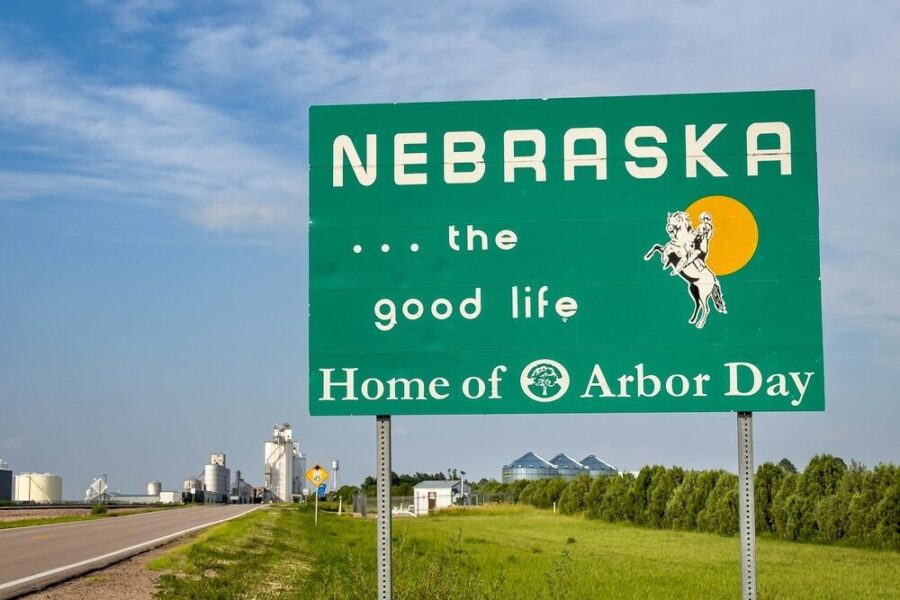
Nebraska voters will decide on 3 November whether to legalize online sports betting, with two related proposals on the ballot.
Initiative Measure 440 would amend the Nebraska Constitution to authorize online sports betting through the state’s six licensed racetracks, while Initiative Measure 441 would amend three state laws to establish the rules for the market.
Online betting revenue would be taxed at the existing 20% gaming tax rate.
Supporters argue legalization could help fund property tax relief, while opponents have raised concerns about gambling-related harm. Nebraska faces a projected US$846 million budget deficit for the two-year budget ending 30 June 2029, according to the Nebraska Examiner.
A letter signed by former Nebraska football coach Tom Osborne and 44 other current and former Huskers athletes and coaches warned about game manipulation, gambling advertising, and harassment of student-athletes, according to Nebraska Public Media. The letter was released by Save Nebraska Sports, the group opposing the measures.

Supporters of the measures, including Tax Relief Nebraska campaign sponsor Jordan McGrain and state Sen. Jason Prokop, have argued that legalization would bring betting activity that currently takes place through unregulated platforms or across state borders into a regulated market.
McGrain said, “There’s no question to me that Nebraska is just better served by legalizing it, regulating it and instilling these consumer protections and guardrails that have been effective in other states.”
A study commissioned by Tax Relief Nebraska estimated online sports betting could generate just under US$87 million in new state tax revenue over five years, with about US$61 million of that going to property tax relief.

State Treasurer Joey Spellerberg and State Auditor Mike Foley, who are part of the Save Nebraska Sports coalition, have challenged claims from legalization supporters that expanded gambling would deliver property tax relief, arguing that previous promises following casino legalization in 2020 have not produced lower taxes.
If voters approve the proposals, the Nebraska Racing and Gaming Commission would have until 1 June 2027 to adopt the necessary regulations.
Charlotte Capewell brings her passion for storytelling and expertise in writing, researching, and the gambling industry to every article she writes. Her specialties include the US gambling industry, regulator legislation, igaming, and more.

Dig Deeper
Related stories
 2026/08/24: Nebraska online sports betting measures qualify for November ballot
 2026/07/01: Campaign to legalize online sports betting in Nebraska gets 350,000 signatures
 2026/08/19: Nebraska pushes for legalized online sports betting but petitions face fraud concerns
2026/02/18: Nebraska online sports betting petitions approved for circulation
2026/08/24: Nebraska online sports betting measures qualify for November ballot
2026/07/01: Campaign to legalize online sports betting in Nebraska gets 350,000 signatures
2026/08/19: Nebraska pushes for legalized online sports betting but petitions face fraud concerns
2026/02/18: Nebraska online sports betting petitions approved for circulation
The Backstory
A vote built on Nebraska’s limited betting model
Nebraska’s online sports betting vote is the next step in a gambling expansion that began with a narrower decision. Voters approved casino gambling in 2020, but the state’s sports betting framework has remained limited to in-person wagering at licensed racetrack casinos. That has left Nebraska outside the mobile betting market that now drives most sportsbook revenue in many states.
The current ballot structure reflects that history. One proposal would change the state constitution to permit online sports wagering through Nebraska’s six licensed racetracks, while the companion measure would set the operating rules. The constitutional proposal is outlined in the state filing for the Online Sports Wagering Authorization Constitutional Amendment, while the statutory framework is contained in the Online Sports Wagering Regulation Initiative.
The paired approach is meant to avoid a legal gap: The constitution would authorize the activity, and state law would direct how it is taxed, regulated and distributed. Supporters say that design would move existing betting activity from offshore websites or neighboring states into a system overseen by Nebraska regulators. Opponents argue it would normalize gambling on college and professional sports and increase the risks tied to addiction, advertising and athlete harassment.
Petition drive moved quickly after February approval
The path to the ballot began when the two petitions were filed in January and cleared for circulation the next month. Inside Asian Gaming reported that the Nebraska online sports betting petitions were approved for circulation with backing from WarHorse Casinos and the Sports Betting Alliance, which represents major sportsbook brands.
The mechanics were demanding. The constitutional amendment required signatures equal to 10% of registered voters, while the statutory proposal needed 7%. Both also had to meet a geographic test, drawing support from at least 5% of voters in 38 of Nebraska’s 93 counties. That requirement is designed to prevent statewide ballot questions from being driven only by the largest population centers.
Tax Relief Nebraska, the campaign behind the measures, turned in petitions before the July deadline. Inside Asian Gaming later reported that the campaign collected more than 350,000 signatures across the two petitions, far above the minimum thresholds cited by organizers. One petition drew more than 201,000 signatures and the other about 146,000.
The surplus was important because election officials must reject invalid signatures, duplicate entries and signatures from people who are not qualified voters. A large cushion does not guarantee certification, but it gives campaigns room to survive normal attrition during verification.
Fraud questions did not stop certification
The signature review became a political issue before the measures reached the ballot. Inside Asian Gaming reported that the petitions faced fraud concerns over potentially fake signatures after Lancaster County election officials referred suspected irregularities to state authorities.
Tax Relief Nebraska said at the time it remained confident that enough valid signatures had been submitted. The campaign also said any circulator found to have committed fraud should be identified and prosecuted, arguing that fraudulent entries would not help its effort because only valid signatures count toward qualification.
The Nebraska Secretary of State’s Office ultimately confirmed the petitions had met the legal standard. Inside Asian Gaming reported that the online sports betting measures qualified for the November ballot after verification. The certification moved the debate from process to substance: whether voters believe online wagering should be treated as a regulated extension of existing casino sports betting or as a significant escalation of gambling access.
That shift matters because Nebraska has already taken the political step of allowing casino gambling. The online question is less about whether gambling exists in the state and more about whether it should be available by phone, subject to geolocation requirements, age checks and state tax rules.
Tax relief argument anchors the campaign
Supporters have framed legalization around revenue and property tax relief, a potent issue in Nebraska politics. The measures would apply the existing 20% gaming tax rate to online sports betting revenue. Tax Relief Nebraska has cited an Eilers & Krejcik Gaming estimate that the market could generate about $87 million in state tax revenue over five years, with 70% directed to property tax relief under the statutory proposal.
That claim is central to the campaign’s appeal but also to the opposition’s critique. Backers say Nebraska residents are already betting through unregulated sites or traveling to other states, leaving Nebraska with the costs of gambling behavior but none of the revenue or consumer protections. In their view, legalization would capture money already being spent and subject operators to state oversight.
Opponents counter that gambling taxes rarely deliver the scale of relief promised in campaigns. They point to Nebraska’s 2020 casino vote, arguing that the expansion has not produced lower property taxes for households. That argument has gained force because the state faces a projected budget shortfall, making any new revenue source politically attractive but also subject to scrutiny over whether it can materially improve the fiscal picture.
The structure of the proposal also gives the state’s racetrack casinos a central role. Licensed racetracks would be the access point for online operators, and each casino could offer up to two online platforms. That model would preserve the existing Nebraska gambling framework while opening the door for national sportsbook brands.
Industry money raised the stakes early
The ballot campaign has been shaped by the national sports betting industry’s financial involvement. Inside Asian Gaming reported that sportsbooks contributed millions to the legalization campaign, including more than $1.1 million each from DraftKings and FanDuel to Tax Relief Nebraska during the early months of the drive.
Those contributions underscored the economic stakes. Nebraska is not among the nation’s largest markets, but online betting operators have strong incentives to expand state by state. Once a legal framework is created, the largest brands can use existing technology, marketing systems and risk management platforms to enter quickly.
The spending also gave opponents an argument that the campaign is being pushed by out-of-state gambling interests rather than grass-roots demand. Supporters respond that industry participation is normal when a regulated business faces a ballot question that determines whether it can operate. The same dynamic has played out across the country as sports betting companies seek access to new markets after the U.S. Supreme Court cleared the way for state-by-state legalization in 2018.
In Nebraska, industry support intersects with local casino interests. WarHorse and other racetrack-linked operators would benefit from an online market built through existing licenses. That alignment has helped the campaign organize quickly, but it has also sharpened questions about who gains most if the measures pass.
College sports concerns shape the opposition
The most distinctive resistance has come from Nebraska sports figures and public officials warning that online betting could affect college athletics. Former Nebraska football coach Tom Osborne and dozens of current and former Huskers athletes and coaches signed a letter opposing the measures, citing risks including game manipulation, aggressive advertising and harassment of student-athletes.
Those concerns are not theoretical. Across legal betting states, college athletes and coaches have reported abuse tied to wagers and performance outcomes. Mobile betting can intensify that environment because it increases the speed and volume of bets, including proposition markets that focus on individual statistics. Even when college player props are restricted, the broader betting culture can put more pressure on athletes.
If voters approve the measures, the Nebraska Racing and Gaming Commission would be responsible for writing the rules by June 1, 2027. That process would determine licensing standards, technical controls, advertising limits, responsible gambling requirements and enforcement procedures. It also would decide how Nebraska balances market access with protections for consumers and sports integrity.
The vote therefore carries consequences beyond a new gambling product. It will test whether Nebraskans view online sports betting as a regulated revenue tool, an avoidable expansion of gambling or an inevitable market that should be brought under state control.