


Campaign to legalize online sports betting in Nebraska gets 350,000 signatures

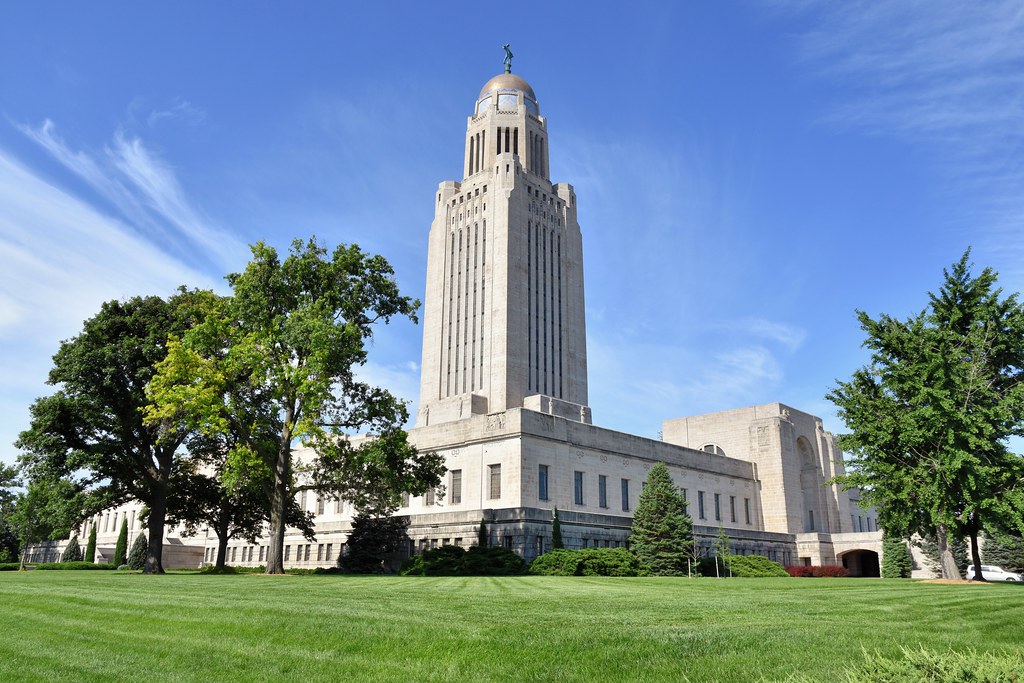
A campaign to add online sports betting to Nebraska’s 2026 General Election ballot has received more than 350,000 signatures via two petitions, meeting the minimum threshold required to appear on the ballot.
According to Nebraska Public Media, organizer Tax Relief Nebraska garnered more than 201,000 signatures on one petition that would change the state’s constitutional amendment to legalize sports betting. Another petition by the same group, which would create a regulatory framework for online sports betting and direct 70% of tax proceeds to property relief, received 146,000 signatures.

Both petitions, which were filed on 9 January, were approved for circulation in February and handed in nearly a week before their 2 July deadline. The constitutional amendment petition needed only about 126,000 signatures to get on the ballot, while the regulatory petition needed 88,000.
Given that both petitions met the needed threshold, online sports betting is likely to end up on the state’s November ballot.
The legalization of online sports betting in Nebraska has seen much support from various industry groups. Both WarHorse Casinos in the state have been open to the idea of expanding sports betting, as well as the Sports Betting Alliance, which represents sportsbooks like DraftKings and FanDuel.

In April, Nebraska Public Media reported that sportsbooks had contributed millions of dollars to state political campaigns. Tax Relief Nebraska raised more than US$2.6 million in February and March, with both DraftKings and FanDuel donating over US$1 million each. At the same time, figures published by Eilers & Krejcik Gaming for Tax Relief Nebraska suggest that tax revenue from online sports betting could reach US$87 million over five years.
Charlotte Capewell brings her passion for storytelling and expertise in writing, researching, and the gambling industry to every article she writes. Her specialties include the US gambling industry, regulator legislation, igaming, and more.

Dig Deeper
Related stories
 2026/02/18: Nebraska online sports betting petitions approved for circulation
2026/04/15: Sportsbooks contributing millions to legalization campaign in Nebraska
2026/04/28: Nebraska online sports betting push projected to bring US$87 million revenue boost
2025/03/11: Nebraska lawmakers to consider online sports betting
2026/02/18: Nebraska online sports betting petitions approved for circulation
2026/04/15: Sportsbooks contributing millions to legalization campaign in Nebraska
2026/04/28: Nebraska online sports betting push projected to bring US$87 million revenue boost
2025/03/11: Nebraska lawmakers to consider online sports betting
2026/02/18: Nebraska online sports betting petitions approved for circulation
2026/04/15: Sportsbooks contributing millions to legalization campaign in Nebraska
2026/04/28: Nebraska online sports betting push projected to bring US$87 million revenue boost
2025/03/11: Nebraska lawmakers to consider online sports betting
The Backstory
Ballot drive follows years of failed legislation
Nebraska’s online sports betting campaign is the product of a long-running gap between what voters have already allowed and what operators say the market can support. Voters approved casino gambling in 2020, opening the door to retail sportsbooks tied to licensed racetracks. But that authorization did not extend to mobile betting, leaving Nebraska with in-person wagering while much of the country moved toward app-based sports betting.
That distinction has shaped the current campaign. Supporters have argued that the state is leaving revenue on the table because bettors can drive across state lines or use legal apps once outside Nebraska. The issue has returned repeatedly at the Legislature, but bills to authorize online wagering failed in 2024 and 2025. Those defeats pushed backers toward the ballot process, where they are now seeking voter approval in 2026 rather than another legislative compromise.
The latest effort formally began when two petitions were filed Jan. 9 and later cleared for signature gathering. As Nebraska’s online sports betting petitions were approved for circulation, the campaign laid out a two-track strategy: one proposal to change the state constitution and another to create the tax and regulatory structure needed to operate a mobile market.
Two petitions divide legalization from regulation
The campaign’s structure is central to its legal and political strategy. One petition would amend the Nebraska Constitution to allow online sports wagering through licensed horse racing tracks, which could partner with sportsbook operators. The other would create the regulatory framework, including tax treatment and revenue distribution. Keeping those questions separate is intended to give voters a direct say on legalization while also telling them how the system would work if approved.
The constitutional petition needed signatures from about 10% of registered voters. The statutory initiative needed about 7%. Both also faced a geographic threshold requiring support from at least 5% of registered voters in 38 of Nebraska’s 93 counties. That county requirement can make petition campaigns more difficult because signatures cannot be concentrated only in Lincoln, Omaha and other population centers.
The proposals also tie online betting to the state’s existing casino model. The tax rate would mirror land-based casino gambling at 20%, and the revenue plan would send the largest share to property tax relief. That design reflects the political lesson from the 2020 casino vote: gambling expansion is easier to sell in Nebraska when it is framed less as entertainment policy and more as tax policy.
The state filings behind the effort include an online sports wagering constitutional amendment petition and an online sports wagering regulation initiative, underscoring that voters are being asked to approve both permission and implementation.
Property tax relief anchors the pitch
Tax Relief Nebraska has made property tax relief the campaign’s main selling point. The group has pointed to research commissioned from Eilers & Krejcik Gaming estimating that online sports betting could generate US$87 million in state tax revenue over five years. Under the proposed allocation, 70% of proceeds would flow to property tax credits, with a smaller share directed to problem gambling programs.
That projection has helped supporters argue that mobile sports betting would recover money now flowing to other states. Nebraska is surrounded by states with broader betting markets, and supporters say the state already has bettors but lacks the legal channel to tax them when they wager online. The argument is not that online betting would create a new tax base from nothing, but that it would capture activity that already exists.
The revenue case also has limits. In an earlier report on the projected US$87 million revenue boost, critics noted that the expected annual amount would be small relative to Nebraska’s overall property tax burden. State Sen. Brad von Gillern, chair of the Legislature’s Revenue Committee, warned that voters expecting substantial changes to their individual tax bills could be disappointed.
That critique matters because it previews the likely opposition message. If the measure reaches the ballot, opponents may not need to argue only against gambling. They can also challenge the scale of the tax-relief claim, casting the proposal as an industry-backed expansion with modest public benefit. Supporters, by contrast, are expected to frame the measure as a practical update to a gambling system voters already accepted.
Industry money changes the campaign’s scale
The petition drive has drawn major financial support from the companies that would benefit most from a legal online market. FanDuel and DraftKings each contributed more than US$1 million to Tax Relief Nebraska in February and March, helping the group raise more than US$2.6 million during that period. The Sports Betting Alliance, which represents large sportsbook operators, has also supported the push.
That money matters because statewide petition drives are expensive. Campaigns must hire circulators, verify signatures, build county-level operations and prepare for legal scrutiny. Nebraska’s distribution requirement adds complexity, making cash and organization especially important. The signature totals now reported suggest the campaign succeeded not only in reaching voters but in building a large enough cushion to survive invalidated signatures.
The flow of industry money has also expanded beyond the petition committee. As sportsbook operators contributed millions to Nebraska legalization efforts, campaign finance reports showed donations to state officials from online gambling-related companies. Attorney General Mike Hilgers and Gov. Jim Pillen were among those who received contributions from firms connected to casinos, sportsbooks or adjacent gambling interests.
Operators and casino representatives have defended the contributions as standard political advocacy by a regulated industry with a stake in policy decisions. Still, the money gives opponents a clear line of attack. The more the campaign emphasizes property tax relief, the more critics can point to the beneficiaries: national sportsbooks seeking access to another state market and local casino operators looking to extend their reach beyond retail floors.
Other states sharpen the stakes
Nebraska’s debate is unfolding as states reassess how much they can extract from sports betting once markets mature. North Carolina recently raised its sports betting tax rate to 23% from 18%, a move expected to generate tens of millions of dollars in additional annual revenue. That increase placed North Carolina above several major markets, including New Jersey, Massachusetts and Ohio.
The tax debate elsewhere is relevant because Nebraska’s proposed 20% rate is not unusually high by national standards. It is below Pennsylvania’s 36% rate and far below revenue-sharing models in New York, New Hampshire and Rhode Island, where operators share 51% with the state. But it is high enough to give Nebraska lawmakers and voters a benchmark for judging whether the public return is adequate.
As North Carolina increased its sports betting tax rate, operators warned that higher taxes could affect customers and promotional spending. Similar arguments could surface in Nebraska if the measure passes and lawmakers later revisit the rate. Legalization campaigns often promise a balanced market at the start, but tax policy can change once states see the revenue stream.
Regulatory concerns also remain part of the broader backdrop. The sports betting industry has faced scrutiny over integrity monitoring, advertising and player protections. A recent Ontario fine against FanDuel Canada for failing to report suspicious betting patterns illustrates the enforcement expectations that come with legalized mobile wagering. For Nebraska, the question is not only whether to legalize, but whether regulators would be equipped to oversee a market dominated by national platforms.
A likely ballot fight over trust and trade-offs
The signature milestone makes it increasingly likely that Nebraska voters will decide the issue in November 2026. If the petitions are certified, the campaign will move from qualification to persuasion. Supporters will argue that mobile betting is a controlled, taxable extension of gambling Nebraskans already approved. They will stress property tax credits, consumer convenience and keeping revenue inside the state.
Opponents are likely to focus on gambling expansion, industry influence and the gap between projected revenue and meaningful tax relief. They may also question whether tying sportsbooks to racetracks and casinos gives too much power to existing gambling interests. The campaign’s success in gathering signatures shows organizational strength, but certification would only begin the more difficult task of winning a statewide vote.
The stakes extend beyond Nebraska. National operators have fewer large states left to enter, and each new market now carries more political negotiation over tax rates, responsible gambling standards and local partnerships. Nebraska is not among the biggest potential markets, but it is a test of whether the ballot route can overcome legislative resistance in a conservative state by linking online betting to tax relief.
That is why the petition totals matter. They do not legalize online sports betting on their own. But they signal that supporters have built enough financial and organizational capacity to put the question before voters, shifting the debate from whether the issue can reach the ballot to whether Nebraskans believe the promised benefits outweigh the costs of another gambling expansion.
