


Fernando Vieira returns as CEO of Brazilian Institute of Responsible Gaming to improve dialogue amid betting ban


The Brazilian Institute of Responsible Gaming (IBJR) has announced the return of former CEO Fernando Vieira to the role, amongst the nation’s ongoing debate over gaming following the provisional ban in September.
In a recent release, the IBJR noted that “The decision aims to strengthen the sector’s institutional representation in the current regulatory landscape.”

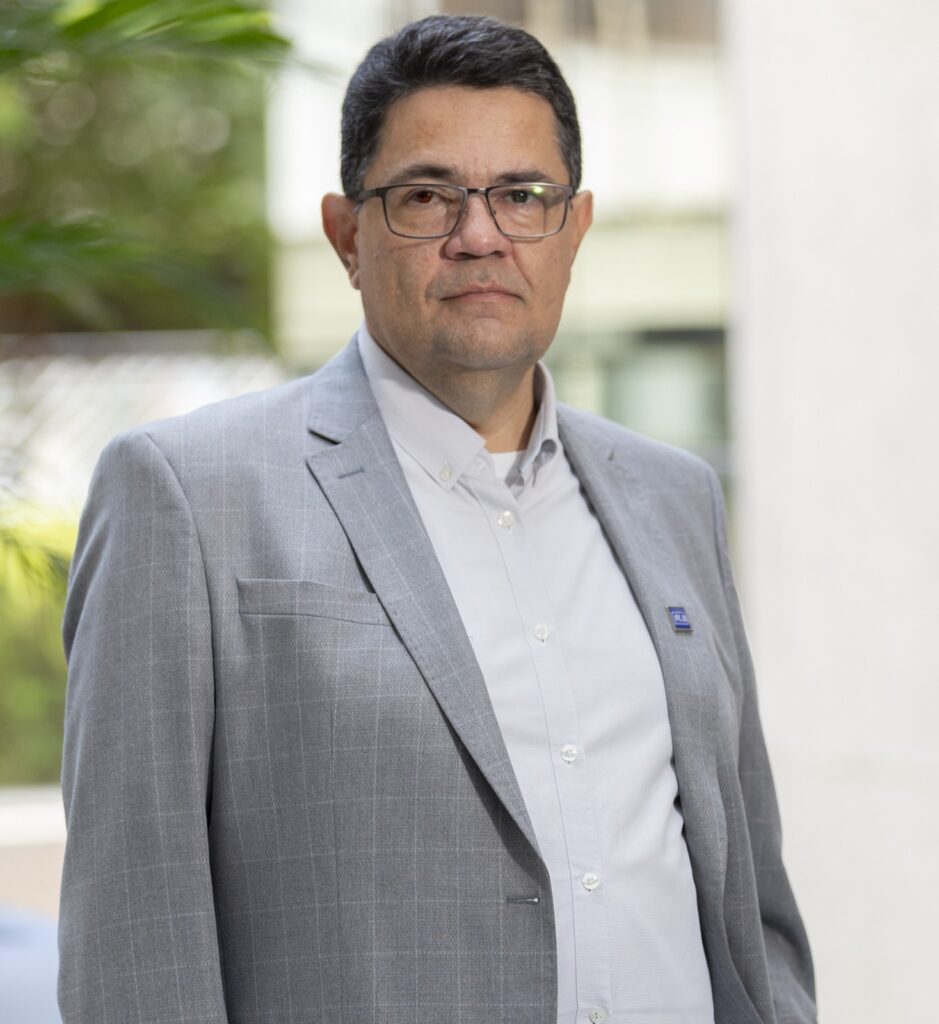
The organization of licensed sports betting and online gaming operators furthered that “For the IBJR’s board, Vieira’s experience in shaping the market’s regulatory framework, combined with the organization’s technical expertise, will help deepen dialogue with the government, the National Congress, and society on the measure’s impact on consumer protection, tax revenue, legal certainty, and efforts to combat the expansion of illegal platforms.”
Vieira previously led the IBJR from October 2024 to September 2025, engaging with the nation’s Ministry of Finance, legislature and regulatory agencies regarding the implementation of Brazil’s legal betting framework.
His resumption of the role comes amongst a particularly challenging time for gaming operators who have set up shop in the country, after the provisional ban was set in place by President Luiz Inácio Lula da Silva (Lula), who was recently re-elected on a platform which included banning igaming and sports betting.

In its release announcing Vieira’s return as CEO, the IBJR notes that “In the executive’s view, banning betting does not eliminate demand; it simply pushes users toward illegal platforms, depriving them of the safeguards provided by the regulated environment. The IBJR also highlights the importance of stability in Brazil’s regulatory environment, a fundamental factor in attracting and maintaining investment across all sectors of the economy.”
Speaking himself of reprising the role, Vieira notes “I return to the IBJR convinced that it is possible to rebuild a strong regulatory framework that provides security for companies and, above all, protects bettors within a monitored and controlled environment. Banning regulated betting does not protect bettors, as demand for this activity will continue. On the contrary, it leaves them at the mercy of the illegal market, without any rules, oversight, or limits, making them even more vulnerable to the negative externalities of a sensitive market such as betting.”
The IBJR is a highly respected group, with Philippine-based gaming operator DigiPlus Interactive Corp joining back in July as part of its expansion into the Brazil market. The IBJR, established in 2013, has pledged to “promote an online betting ecosystem that is ethical, sustainable, and responsible,” aimed at combatting the illegal market and promoting responsible gaming in Brazil.

Vieira succeeds former IBJR CEO Carlos Lima, who welcomed DigiPlus’ membership at the time, noting “The entrance of the company is a demonstration of the maturity of the sector and reinforces its regulatory promises and firm combat against the illegal betting sector.”

Dig Deeper
Related stories
 2026/07/14: DigiPlus joins Brazilian Institute for Responsible Gaming in support of responsible online gaming ecosystem
 2025/09/21: Brazilian Institute of Responsible Gaming Executive President Fernando Vieira resigns
 2026/06/10: Brazilian Institute for Responsible Gaming Appoints Carlos Lima as Executive President
2025/08/11: A2FBR joins Brazilian Institute for Responsible Gaming
2026/07/14: DigiPlus joins Brazilian Institute for Responsible Gaming in support of responsible online gaming ecosystem
2025/09/21: Brazilian Institute of Responsible Gaming Executive President Fernando Vieira resigns
2026/06/10: Brazilian Institute for Responsible Gaming Appoints Carlos Lima as Executive President
2025/08/11: A2FBR joins Brazilian Institute for Responsible Gaming
The Backstory
Brazil’s regulated betting project faces its hardest test
Fernando Vieira’s return to the Brazilian Institute of Responsible Gaming comes at a moment when Brazil’s betting industry is trying to preserve the central bargain behind regulation: Operators accept licensing, tax, compliance and consumer-protection obligations in exchange for legal certainty and a visible path to customers. The provisional ban signed by President Luiz Inácio Lula da Silva has put that bargain under strain, forcing licensed companies and their trade groups to argue that prohibition will not erase demand but redirect it to platforms beyond the reach of Brazilian authorities.
That argument has been at the center of the IBJR’s public positioning since its formation in 2023. The group was built to represent licensed online betting and gaming companies, push back against illegal operators and establish responsible gaming as a condition for market expansion. Vieira’s return signals that the institute wants a political operator with experience in Brasília and in the early implementation of Brazil’s legal betting framework to lead the response.
The move also reverses a leadership change that had appeared settled only weeks earlier. Vieira had led the organization from October 2024 until September 2025, when he resigned as executive president of the Brazilian Institute of Responsible Gaming, saying he was leaving with “a sense of duty fulfilled.” At the time, the institute was expanding its membership and pressing campaigns to distinguish authorized betting sites from illegal ones. His return suggests the ban has raised the stakes from regulatory execution to institutional defense.
A trade body built around legalization, not expansion alone
The IBJR’s growth has tracked Brazil’s shift from a gray market into a regulated online betting environment. The institute’s stated purpose has been to promote an online betting ecosystem that is ethical, sustainable and responsible. In practice, that has meant advocating for rules that can channel players into licensed platforms, increase tax collection and give regulators leverage over operators that serve Brazilian bettors.
That framing matters because Brazil’s debate is not simply about whether betting should exist. It already does, and demand for sports betting and online games has proved durable across Latin America. The policy choice is whether activity occurs through licensed companies with know-your-customer controls, advertising obligations, responsible gaming tools and tax reporting, or through offshore and illegal platforms that can ignore local law.
Under Vieira’s earlier tenure, the IBJR emphasized that distinction. One of the institute’s final initiatives before his September departure was the “Chega de Bode na Sala” campaign, which used television, radio, airport panels and social media to steer players toward platforms authorized by the Ministry of Finance. The campaign reflected a core assumption behind regulated betting markets: Public visibility can be used to educate consumers, provided advertising is controlled and tied to licensed operators.
That logic is now colliding with a political backlash against gambling’s social costs. Concerns over advertising, addiction, household debt and the visibility of betting brands have strengthened calls for tougher restrictions. The provisional ban gives those concerns legal force, but it also tests whether the government can suppress legal supply without reviving the illegal market the licensing system was designed to contain.
Leadership changes followed a rapid expansion of members
Vieira’s resignation briefly gave way to a new leadership structure. André Gelfi, a co-founder of the trade body and managing partner of Betsson Group in Brazil, served on an interim basis before the institute appointed Carlos Lima as executive president. Lima brought a public-policy and government-relations profile, and the IBJR said the appointment was intended to strengthen dialogue with the federal government, Congress, regulators and civil society.
Lima’s message was consistent with the institute’s broader advocacy. He argued that market maturation required data, transparency, governance and legal certainty, and that regulation was the most effective tool for protecting consumers while separating licensed operators from illegal sites. His appointment came as Brazil’s market was drawing more suppliers and operators seeking to establish local credibility before or during full regulatory implementation.
The IBJR’s membership base became part of that credibility strategy. The institute already included global operators such as bet365, BetMGM, Betsson Group, Entain, Flutter and Kaizen Gaming. Brazilian and international companies used membership to signal alignment with responsible gaming and compliance expectations. When A2FBR joined the Brazilian Institute for Responsible Gaming, Vieira described the move as evidence of sector maturity and a shared commitment to combatting illegal betting.
The expanding roster gave the IBJR more weight in policy debates but also made it a bigger target for critics who see the regulated sector’s growth as a source of harm. That tension helps explain why leadership experience has become more important. The institute must represent operators commercially exposed to a ban while persuading policymakers that regulation, not prohibition, is the safer consumer-protection model.
International operators added urgency to Brazil’s rulemaking
Foreign investment has sharpened the consequences of regulatory instability. Brazil is one of the world’s largest potential online betting markets, with a large population, strong sports culture and high digital engagement. That has attracted operators from Europe and Asia, many of which are accustomed to operating under formal licensing systems and want predictable rules before committing more capital.
Philippine-listed DigiPlus Interactive Corp. illustrates that trend. The company joined the Brazilian Institute for Responsible Gaming as part of its Brazil expansion, saying it intended to grow its BingoPlus brand in compliance with local requirements. IBJR leaders welcomed the membership as a sign of market maturity and of the sector’s effort to confront illegal betting.
DigiPlus’ move linked Brazil’s regulatory debate to a wider global pattern. Operators entering newly regulated markets often support trade associations because those groups help shape rules on advertising, responsible gaming, payments and enforcement. But the same companies are vulnerable when political sentiment turns against the industry after they have invested in compliance, local teams and marketing systems.
That is why legal certainty has become a recurring phrase in IBJR statements. A sudden ban can undermine licensed operators that followed government rules while leaving illegal competitors less affected. Unlicensed platforms do not depend on Brazilian approval to advertise through informal digital channels, change domains or process payments through opaque routes. Licensed operators, by contrast, can be fined, suspended or excluded from the market.
The policy risk is channeling demand backward
Brazil’s dilemma mirrors debates in other regulated markets: Restrictions aimed at reducing gambling harm can backfire if they weaken licensed operators without constraining illegal ones. A recent analysis of the Philippines warned that a total gambling advertising ban could hand market share back to offshore sites, citing evidence from several countries where severe advertising restrictions coincided with growth in illegal play. The article argued that channelization, the process of moving players from illegal sites to licensed platforms, depends partly on allowing legal operators to be visible under strict rules. The Philippines gambling ad ban analysis is not about Brazil, but the regulatory mechanics are similar.
For Brazil, the immediate issue is broader than advertising. A provisional ban on betting and igaming challenges the foundation of the licensing model. If consumers continue to seek betting products, and licensed operators are unable to serve them, demand is likely to migrate to platforms with fewer safeguards. That would reduce tax receipts, weaken responsible gaming controls and make enforcement more expensive.
The IBJR’s argument is therefore both commercial and regulatory. Licensed companies want access to the market, but their strongest case is that supervision gives the state tools it lacks against illegal sites: operator identification, financial reporting, sanctions, advertising controls and consumer-protection mandates. Prohibition removes those tools from the companies most likely to comply while leaving enforcement agencies to pursue offshore actors after the fact.
Vieira’s return places him at the center of that fight. His task is to rebuild dialogue with the government, Congress and society while addressing the political concerns that produced the ban. The outcome will determine whether Brazil continues toward a controlled betting market or reopens space for the illegal operators the regulated framework was meant to displace.
