


DraftKings and FanDuel go live in Arkansas

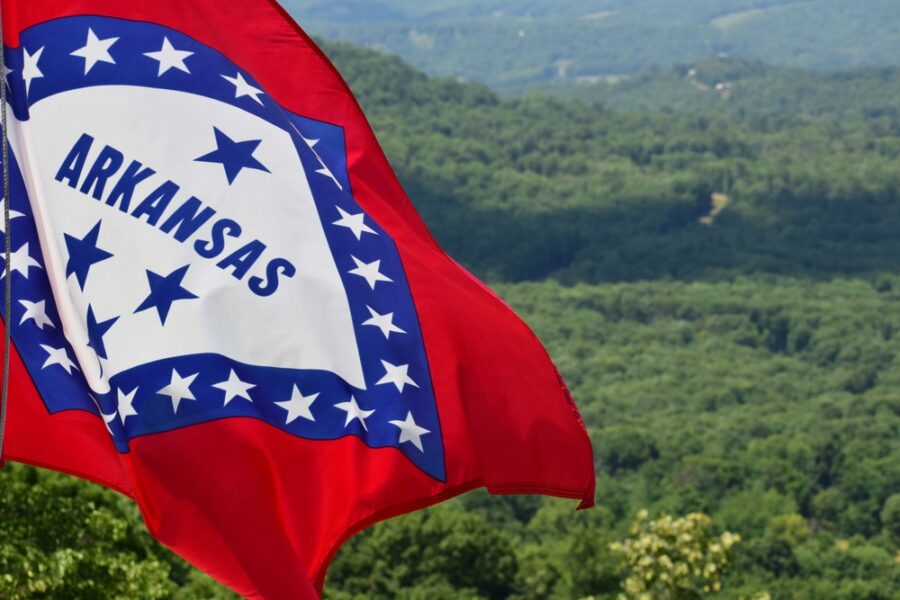
DraftKings and FanDuel have launched their sportsbook platforms in Arkansas after partnering with two of the state’s casinos.
Oaklawn Casino in Hot Springs partnered with FanDuel, while Southland Casino in West Memphis partnered with DraftKings. Both operators were granted licenses to operate in the state by the Arkansas Racing Commission last month.

Speaking to KTLO.com, Oaklawn Vice President of Racing and Wagering, Zack Gillham, said that he was excited about the launch of FanDuel sportsbook. The sportsbook is called Oaklawn Sports FanDuel, and Gillham said it has replaced its old platform with a more effective system.
“Now, when we want to make changes, we don’t have to have as many people involved,” he said.
Southland also said it had upgraded its system to include DraftKings, with officials adding that the new app provides a more user-friendly experience.

“This one is probably the easiest to navigate to find what you’re looking for,” said DraftKings Director of Race and Sports Operations Johnny Avello.
However, Arkansas’ third casino, Saracen Casino Resort, has publicly opposed the changes, stating that locally based operators contribute millions in gaming tax revenue, while national sportsbook partners may not provide the same level of returns.
Charlotte Capewell brings her passion for storytelling and expertise in writing, researching, and the gambling industry to every article she writes. Her specialties include the US gambling industry, regulator legislation, igaming, and more.

Dig Deeper
Related stories
The Backstory
From applications to launch
Arkansas has required national online sportsbooks to partner with one of its three licensed casinos since voters approved expanded gaming in 2018. That framework set the stage for FanDuel and DraftKings to enter the state through in-market alliances, rather than as standalone operators. The pivot began when both companies formally sought casino partnerships this year, a move the Arkansas Racing Commission confirmed as it reviewed their plans for co-branded apps and statewide marketing. In explaining how such tie-ups would work, the commission signaled residents could see existing casino apps retooled with national technology and promotion. That expectation proved prescient. The step-by-step path is laid out in our coverage of DraftKings and FanDuel applying to partner with Arkansas casinos, which detailed proposed pairings with Southland Casino Hotel in West Memphis and Oaklawn Racing Casino Resort in Hot Springs.
The applications underscored the state’s emphasis on keeping control of sportsbook operations with its brick-and-mortar licensees while allowing national brands to supply technology, market access and customer acquisition heft. Regulators framed it as a co-branding model that could reshape how sportsbooks are marketed across Arkansas. Critics countered that third-party involvement risked stretching the spirit of the 2018 amendment, which says sportsbooks must be operated by licensed casinos.
Regulatory greenlight and expansion math
The Racing Commission’s response came in stages, culminating in licensure that unlocked a launch timeline just ahead of the fall sports calendar. DraftKings’ approval made clear the company’s near-term growth calculus: Arkansas would become its 30th U.S. jurisdiction, lifting population coverage past half the country while pushing its mobile product suite deeper into the South. Our report on DraftKings being granted a license by the Arkansas Racing Commission highlighted the company’s pitch around live betting, same-game parlays and responsible gaming features, timed to peak events like March Madness and early-season football.
The clearance also previewed the branding Arkansas bettors would see. With DraftKings aligned to Southland and FanDuel aligned to Oaklawn, each casino could refresh its digital front door while tapping a national tech stack built for in-play markets, promos and retention loops. That structure explains why the go-live moment arrived as a coordinated, two-casino switch: both operators had the regulatory go-ahead, vetted integrations and a state roadmap that favors casino-branded skins powered by outside platforms.
Local fault lines over revenue and control
The fast-track rollout sharpened an in-state divide that predates mobile wagering. Saracen Casino Resort, the third Arkansas casino and the operator of a homegrown sportsbook, has argued that locally controlled books return more to the state in taxes and economic spillover. While Saracen was not part of the initial partner lineup, it has publicly warned that national brand dominance could erode those returns by shifting value to out-of-state operators and changing the economics of marketing and promotions.
That debate goes to the heart of Arkansas’ model. Casinos want the customer reach and product depth of a national app but not at the cost of becoming a marketing channel for an outside book. Regulators have tried to split the difference by insisting the casino is the operator of record, with the national brand as service provider. As FanDuel and DraftKings scale inside the state, the practical test will be whether promotional spend and player lifetime value translate into stable tax receipts and local jobs, or whether revenue share flows tilt too far from Arkansas-based operations. Expect scrutiny of hold percentages, bonus practices and the extent to which co-branded apps steer customers into casino loyalty ecosystems.
Marketing risks meet legal scrutiny
Arkansas’ embrace of national partners arrives as leading sportsbooks face intensifying legal pressure over how they acquire and retain customers. In Maryland, Baltimore officials sued DraftKings and FanDuel parent Flutter, alleging the companies misled sign-ups with bonus offers and targeted promotions to vulnerable gamblers. The case argues the tactics violated the city’s consumer protection rules and harmed residents struggling with addiction. Our coverage of the Baltimore lawsuit that accuses DraftKings and FanDuel of exploiting bettors outlines those claims and the operators’ initial responses.
Since then, the case has been moved to federal court, where the companies contend jurisdiction is proper because they are headquartered outside Maryland and the penalties sought exceed the federal threshold. The procedural shift does not resolve the underlying marketing questions, but it could set the pace and venue for any precedent that emerges. See our follow-up on the Baltimore litigation’s removal to federal court for the stakes and next deadlines. For Arkansas, the signal is clear: aggressive growth tied to bonuses, targeted offers and data-driven retention will draw closer oversight. Casino partners that bear the operator license may shoulder reputational risk if national playbooks trigger enforcement elsewhere.
A shifting competitive map
Beyond regulatory heat, incumbents face new kinds of competition that could blur lines between financial markets and sports betting. A live case study is playing out in New Jersey courts over whether certain event contracts belong under commodities law rather than state gaming rules. An investor note from Jefferies, summarized in our analysis of the New Jersey trial’s implications for DraftKings and FanDuel, suggests that clarity—whatever the outcome—could favor established operators by leveling the field and hemming in disruptors. Judges appeared open to narrow pathways that define which contracts have “commercial consequence,” potentially limiting player prop markets if they are deemed outside that scope.
For Arkansas, where the market is capped by three casinos and defined by local partnerships, the external competitive threat is less about gray-market operators and more about whether alternative products siphon attention or drive regulatory harmonization across states. If courts narrow what qualifies as a swap-like prediction product, traditional licensed sportsbooks may consolidate their advantages in technology, pricing and compliance.
What’s next for Arkansas bettors and casinos
The near-term milestones are straightforward. Expect stepped-up co-branded marketing from Oaklawn and Southland, product iteration around in-game markets and parlay builders, and tighter integration with each casino’s loyalty program. Watch for Saracen’s next move—whether it doubles down on a local-first sportsbook, seeks its own tech partner or presses for policy guardrails that preserve more revenue in state.
Longer term, three trends will shape outcomes. First, how Arkansas measures the fiscal impact of national partnerships—tax receipts, promotional deductions and local employment—will guide future approvals. Second, the industry’s legal exposure on advertising and responsible gaming, visible in the Baltimore case, will influence how aggressively operators pursue bonuses and targeted offers in new markets. Third, national litigation over the boundary between financial products and sports betting could stabilize the competitive set, reinforcing state-licensed sportsbooks’ position.
The Arkansas launch is the culmination of a regulatory pathway that began with casino-led operations and evolved into co-branded alliances. Whether that balance delivers on revenue and consumer protection promises will determine if the state’s model becomes a template—or a cautionary tale—for other tightly regulated markets.
