


DraftKings and FanDuel apply for casino partnerships to launch in Arkansas

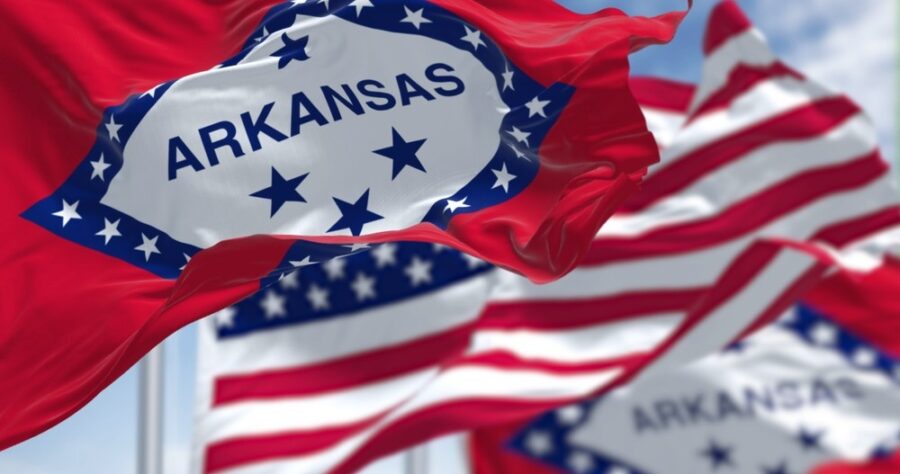
Isportsbook operators DraftKings and FanDuel have submitted applications to partner with two of Arkansas’s three casinos to launch sports betting apps, according to 5 News.
The applications were confirmed by Scott Hardin, spokesman for the Arkansas Racing Commission, which oversees casino gaming, horse racing, and sports betting.

Under Arkansas law, national operators must partner with one of the state’s licensed casinos to offer mobile sports betting, and both companies have identified potential in-state partners in their submissions.
DraftKings has selected Southland Casino Hotel in West Memphis as its potential partner, while FanDuel has gone for Oaklawn Racing Casino Resort in Hot Springs. Hardin said that the sports betting operators could partner with the casinos to release co-branded apps.
“This would allow the sportsbooks to utilize the technology of DraftKings and FanDuel,” Hardin said. “You could see the apps themselves change. You could see a lot of marketing around it, and I think it would definitely change the face of how this is marketed across the state.”

Critics have argued that these potential new partnerships would violate an amendment passed in 2018 that requires sportsbooks to be operated by licensed casinos, not independent third-party companies.
Both operators are active in the state, with DraftKings and FanDuel launching their prediction market products nationwide.
Abi Bray brings strong researching skills to the forefront of all of her writing, whether it’s the newest slots, industry trends or the ever changing legislation across the U.S, Asia and Australia, she maintains a keen eye for detail and a passion for reporting.

Dig Deeper
Related stories

The Backstory
Setting the stage in Arkansas
Arkansas has emerged as a test of how national sportsbooks scale within states that require casino-led control of wagering. The state’s rules compel mobile operators to tether to licensed casinos, a framework that puts tribal and commercial properties at the center of market access and revenue sharing. That model has already shaped product design and marketing in other states, and it is now influencing how brand-forward platforms structure their bids and build technology stacks locally. The immediate stakes are consumer acquisition and the contours of control: who owns the customer relationship, whose brand leads, and how revenue is divided under casino-first statutes. The broader stakes are regulatory precedent. If Arkansas affirms casino-operated, co-branded apps as compliant with its 2018 amendment, it could steer how other emerging markets interpret “operator” responsibilities in mobile betting — and how national books calibrate partnerships to fit state-by-state rules.
Regulatory crosscurrents inside the state
The state’s policy backdrop is evolving beyond sports wagering. A push to authorize full online casino play for Arkansas’ three licensees is already on the docket. A proposal in the Legislature would legalize online gaming for Saracen Casino Resort, Oaklawn Racing Casino Resort and Southland Casino Resort, positioning the properties to capture digital table games and slots alongside retail and existing sports products. That effort, described in reporting on an online casino bill filed in Arkansas, is framed by supporters as a defensive move against offshore sites siphoning play without consumer protections or tax contributions. Problem gambling advocates have warned of rising participation in unregulated sweepstakes and overseas platforms, adding pressure on policymakers to channel activity into licensed ecosystems. Whether sports betting apps are run under clear casino control — including branding, account oversight and revenue reporting — could influence how regulators judge readiness for expanded online gaming and the compliance rigor expected from partners.
A parallel race across the border
The competitive backdrop extends into Missouri, where operators are moving quickly to secure early positions ahead of a planned market launch. In May, filings began stacking up, with multiple brands targeting online and retail permissions and a limited number seeking the state’s untethered slots that do not require alliances with teams or casinos. The latest wave of Missouri applications shows how incumbents and newer entrants are balancing tethered strategies against the appeal of direct-to-consumer control. DraftKings, FanDuel and Circa Sports have pursued the two available untethered online licenses, while Underdog applied for a mobile license and Fanatics also entered the queue. Regulators plan applicant presentations on Aug. 13 and selections on Aug. 15, timelines that compress commercial decision-making and could trigger rapid product rollouts before the Dec. 1 go-live. Earlier moves underscored the first-mover jostling: DraftKings and Underdog were first to apply for Missouri online betting licenses, signaling that operators are actively hedging with both tethered and standalone routes across neighboring jurisdictions. That regional competition raises the commercial urgency for Arkansas books to finalize alignments, polish co-branded app experiences and scale marketing before cross-border operators begin advertising in overlapping media markets.
The tech and hosting backbone
Meeting state requirements is not only a legal exercise; it is a technical one. Arkansas mandates in-state, compliant infrastructure for regulated gaming, which has catalyzed vendor expansions that shorten launch timelines and reduce operational risk for sportsbooks and their casino partners. Hosting specialist Internet Vikings has extended its footprint into Arkansas through a long-running collaboration with GAN, a B2B betting technology provider. As detailed in coverage of Internet Vikings extending its GAN partnership into Arkansas, the hosting firm now supports licensed, in-state deployments across much of the United States, offering operators and casinos a template to satisfy data localization and uptime demands. That kind of prepositioned infrastructure can be decisive for co-branded rollouts, enabling partners to swap front ends, stand up new marketing campaigns and transition player accounts without prolonged outages. For Arkansas regulators, mature vendor stacks offer a clearer compliance path; for casinos balancing brand primacy with the draw of national app features, they reduce friction when iterating on product and promotions.
Marketing playbooks sharpen
With regulated markets maturing, operators and their partners are competing less on price alone and more on lifecycle marketing, retention and personalized offers — an arms race that increasingly hinges on data science. The trend is visible across regions as vendors tailor systems for faster segmentation, cross-sell and real-time engagement. One example comes from the Asia-Pacific push by a marketing software provider, which has emphasized AI-powered campaign orchestration and streamlined execution to help operators cut through noise and lift efficiency. The firm’s expansion into APAC with new operator partnerships illustrates how global playbooks are migrating into regulated betting, including sports and casino, with a focus on personalization and “positionless” marketing that frees teams to build journeys without bottlenecks. For Arkansas, where co-branded sports apps may debut under casino stewardship, the lesson is direct: owning the customer file and deploying modern CRM tools can convert brand familiarity into sustained value, particularly as retail loyalty programs mesh with mobile wallets and targeted offers. That capability will matter even more if online casino authorization advances, bringing higher-frequency play patterns and more granular compliance requirements.
What to watch next
Two tracks bear watching. First, the legal interpretation of Arkansas’ casino-operated mandate will set practical boundaries around co-branding, app control and third-party involvement. Scrutiny from amendment purists could force clearer lines on who sets odds, holds the wallet, manages risk and controls marketing. Second, the speed and structure of launches in neighboring Missouri will test how quickly multistate brands pivot resources and media to capture share, potentially drawing Arkansas bettors to cross-border promotions or encouraging aggressive acquisition tactics inside the state. The interplay with infrastructure and vendor readiness — from hosting to trading systems to CRM — will determine whether casinos and their partners can execute seamless migrations and sustain uptime under peak demand. Meanwhile, the outcome of the Arkansas online casino bill could redefine the economics of digital gambling for the state’s licensees, making today’s decisions on branding, partnerships and data ownership even more consequential. In short, regulatory clarity, operational preparedness and disciplined marketing will decide who sets the pace as Arkansas navigates its next phase of gaming expansion.
