


DraftKings granted license by Arkansas Racing Commission

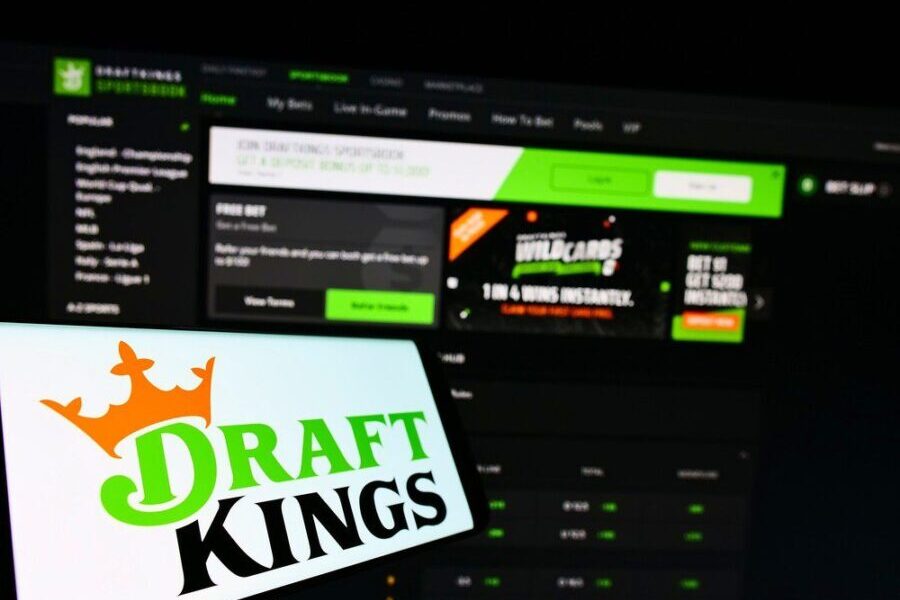
The operator will be granted access to the state’s sports betting market pending final regulatory approval of its partnership with Southland Casino Hotel.
Launching in Arkansas will grant over two million more adults in the state access to DraftKings’ online sportsbook, increasing DraftKings’ coverage in the US to 53% of the population.

Customers in Arkansas will be given access to DraftKings sportsbook, which offers same-game parlays, in-game wagering, and special odds boosts, along with its suite of responsible gaming tools.
DraftKings Executive Vice President and General Manager of Sports Gregory Karamitis said, “We’re excited to team up with Southland Casino Hotel to bring DraftKings’ top-rated mobile sportsbook to Arkansas and introduce fans to our best-in-class sports betting offering.
“As March Madness approaches and several major sports are underway, we look forward to serving Arkansas customers with innovative features, including our No. 1 live betting experience and a continued commitment to responsible gaming.”

Its launch in Arkansas will be DraftKings’ 30th state entry, along with Washington, DC, Ontario, Canada, and recently Puerto Rico.
Abi Bray brings strong researching skills to the forefront of all of her writing, whether it’s the newest slots, industry trends or the ever changing legislation across the U.S, Asia and Australia, she maintains a keen eye for detail and a passion for reporting.

Dig Deeper
Related stories
The Backstory
Why Arkansas is opening the door now
Arkansas’ mobile sports betting market has moved in fits and starts since voters approved casino gaming in 2018, but the latest step reflects a maturing framework that leans on in-state casinos as gatekeepers. State rules require national brands to partner with a licensed casino to go live on mobile. That model sets up a co-branded approach in which the casino remains the operator of record while leveraging outside technology and marketing muscle. It is the same playbook that has defined rollouts in other states and is now shaping Arkansas’ timeline.
The groundwork for this week’s action was laid when DraftKings and FanDuel filed applications to partner with Arkansas casinos earlier this year. The Arkansas Racing Commission confirmed the filings and signaled the path forward could include co-branded apps, bringing national platforms to local properties without upending the state’s operator-of-record structure. A report by 5 News at the time underscored that arrangement and the marketing lift it could bring across the state.
Critics have argued that aggressive co-branding risks stretching the 2018 mandate that sportsbooks be run by licensed casinos, not outsourced to third parties. Regulators have largely answered that by insisting casinos remain responsible for compliance and by treating national sportsbooks as vendors and technology providers under the casinos’ licenses. The approach has let Arkansas tap national liquidity and user experience while keeping regulatory accountability close to home.
Casino partnerships set the pace
The casino-first structure has dictated both the speed and shape of market entry. DraftKings identified Southland Casino Hotel in West Memphis as its route in, while FanDuel aligned with Oaklawn Racing Casino Resort in Hot Springs, according to the applications confirmed by the commission. Those pairings matter because the technology stack, branding and customer acquisition budgets flow through them. In practical terms, it means Arkansans will see familiar national interfaces and promotions, but under the compliance umbrella of the local casino partner.
The commission’s stance also reflects a broader U.S. pattern. States with limited local operator pools have leaned on national brands to accelerate mobile launches without ceding regulatory control. The trade-off is clear: casinos gain a fast lane to advanced in-game wagering, same-game parlays and marketing heft; national operators gain distribution; regulators preserve a single point of accountability. The remaining friction is political and legal, not technical, as stakeholders test where co-branding ends and outsourcing begins.
Expansion strategy beyond Arkansas
DraftKings’ Arkansas move slots into a wider expansion arc. The company has prioritized jurisdiction-by-jurisdiction growth where regulations are clear, partnerships are available and mobile is permissible. That is evident in its recent online sportsbook launch in Puerto Rico, which followed a retail debut and requires in-person registration at Foxwoods El San Juan Casino. Puerto Rico’s hybrid model shows DraftKings’ willingness to adapt to local rules to gain access, even when onboarding is more cumbersome than in the mainland U.S.
The same calculation drives the company’s migration into new or reopened markets that favor compliance-ready operators. The Arkansas entry, when finalized, would push DraftKings’ coverage deeper into the South and add another state to a footprint that already spans most of the U.S. population. For Arkansas bettors, that means an immediate infusion of features now standard in mature markets, such as live betting and expansive parlay builders, wrapped in local responsible gaming tools and guardrails required by the commission.
Regulatory pressure shapes product and pace
The compliance climate is tightening across the industry, and not just in the United States. Lawmakers in Australia’s Northern Territory recently called for a parliamentary inquiry into the territory’s light-touch online betting oversight, citing transparency gaps and the outsized national role of a small part-time regulator. That push, outlined in calls to scrutinize the Northern Territory Racing and Wagering Commission, signals that regulators worldwide are reassessing whether legacy frameworks can police modern, high-velocity wagering markets.
Closer to home, enforcement and licensing rigor are also moving the market. New York forced a reset in daily fantasy by pressing operators to meet licensure standards before offering paid contests. PrizePicks’ path back, including a settlement and a new license detailed in its New York relaunch approval, underscores how regulators are demanding clear product definitions, tighter controls and collaboration on responsible play. Operators that can demonstrate compliance readiness are winning faster approvals and broader market access.
Even vendor licensing is in focus as new jurisdictions establish frameworks. The United Arab Emirates’ emerging regime, which granted a supplier approval to Fennica Gaming as noted in its UAE vendor license, shows how nascent markets are starting with strict gatekeeping of technology providers. While far from Arkansas, the direction is similar: scrutinize the supply chain, certify vendors and hold a clear line of accountability. That philosophy maps onto Arkansas’ casino-led model, which treats national sportsbook brands as technology and marketing extensions of licensed properties.
What’s at stake for bettors, casinos and rivals
For Arkansas bettors, a DraftKings-backed app through a local casino promises more betting markets, promotional depth and responsive in-game features that are table stakes in larger states. That could accelerate legal channel adoption and put pressure on gray-market options. For casinos, the upside is incremental gaming revenue and a stronger loyalty funnel into on-property play, hospitality and retail sportsbooks. The cost is tighter compliance obligations and the need to manage a complex vendor relationship under their license.
For rivals, timing matters. FanDuel’s effort to pair with Oaklawn positions it to contest market share at launch, but execution will hinge on how quickly approvals convert into a polished, co-branded product. Smaller operators could find the casino-partner bottleneck a high barrier, especially if marketing and technology advantages concentrate with the first movers. The commission’s oversight of advertising standards, responsible gaming tools and vendor conduct will influence how hard those advantages bite.
The broader lesson is that regulators are no longer content to greenlight access and monitor from afar. They are reworking the rules, auditing vendors and tightening definitions of what constitutes sports betting versus fantasy or predictions products. Arkansas’ gatekeeper model, paired with national brands’ playbooks, is a compromise shaped by that reality. It channels innovation through local licenses, keeps accountability close and gives bettors a modern experience. How well it balances speed, consumer protection and competition will define the next stage of growth in the state.
