


Cassino Bet reunites with FIRST.bet as sportsbook partner in Brazil

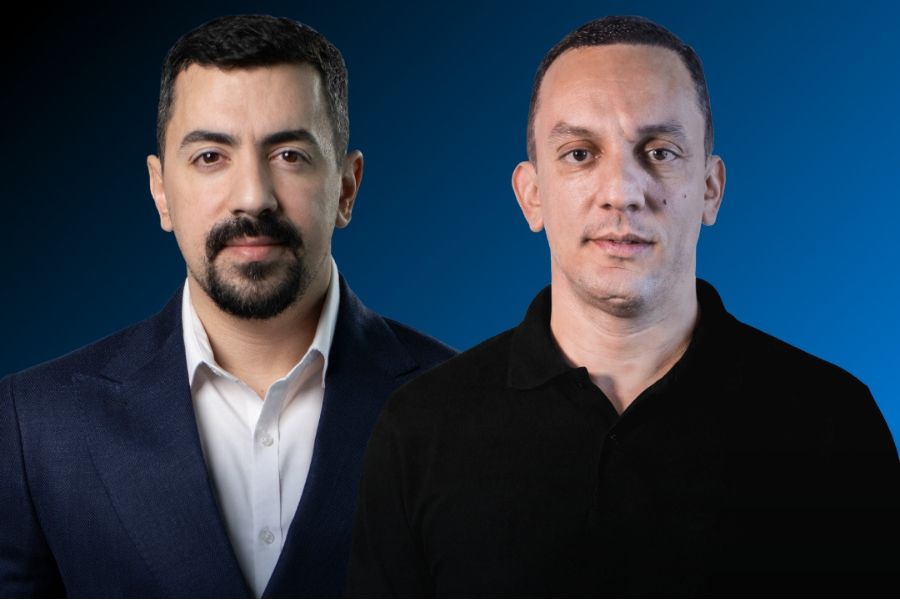
Ana Gaming-operated Cassino Bet has returned to First.bet’s sportsbook tech stack in Brazil as the World Cup continues across the Americas.
Cassino Bet was previously supplied by First.bet from January 2025 until close to the end of that year, before migrating to Altenar.

The operator returned to First.bet just ahead of the World Cup. The current contract length and review terms have been kept confidential.
The partnership gives Cassino Bet access to First.bet’s product suite, trading capabilities and infrastructure.
Alongside Cassino Bet, Ana Gaming operates 7K Bet and Vera Bet in Brazil. First.bet was launched in 2024 by former SBTech leader Tom Light.

“Cassino Bet’s return is a strong signal of confidence in First.bet’s technology, trading expertise and long-term value as a sportsbook partner,” said Tom Light, Founder and Chief Executive at First.bet. “Brazil is one of the world’s most competitive regulated sportsbook markets, and operators need platforms that can deliver performance, control and scalability.”
Ana Gaming Chief Executive Marco Tulio Oliveira added, “We continuously review our technology strategy to ensure each brand in our portfolio is supported by the right platform for its market and growth objectives. Following that process, we chose to return Cassino.bet to First.bet. First.bet gives us the product depth, sportsbook expertise, scalability and operational confidence to support the brand’s next stage of development in Brazil.”
First.bet has been building momentum as a sportsbook technology provider for operators across LatAm, Europe and Africa.

In a statement on the Cassino Bet deal, First.bet said it has a growing focus on regulated markets, proprietary product development, trading excellence and long-term operator partnerships.
Last week, First.bet revealed it had partnered with online gaming operator OIG Gaming Brazil to power its three online gaming brands: 7Games, Betão, and R7.

Dig Deeper
Related stories
 2026/06/22: FIRST.bet to provide tech for three OIG Gaming Brazil brands transitioning to sportsbooks
 2026/06/26: Into the unknown with Light & Wonder’s New Markets guru
 2026/04/02: Beter expands eFootball content ahead of FIFA World Cup
 2026/04/07: Fanatics Fest teams up with FIFA ahead of 2026 World Cup
2026/06/22: FIRST.bet to provide tech for three OIG Gaming Brazil brands transitioning to sportsbooks
2026/06/26: Into the unknown with Light & Wonder’s New Markets guru
2026/04/02: Beter expands eFootball content ahead of FIFA World Cup
2026/04/07: Fanatics Fest teams up with FIFA ahead of 2026 World Cup
The Backstory
Brazil’s sportsbook market enters a product arms race
Cassino Bet’s move back to FIRST.bet comes at a point when Brazil’s newly regulated sports betting sector is putting technology suppliers under sharper scrutiny. Since the country’s fixed-odds betting framework took effect in January 2025, operators have been forced to compete not only on brand, payments and marketing, but also on the reliability of their sportsbook engines, live pricing, trading controls and localized player tools.
That pressure has created a more active market for sportsbook platform contracts. Operators are reassessing whether their suppliers can support higher volumes, deeper in-play offerings and tighter compliance standards. For suppliers, Brazil has become a showcase market where performance under real traffic conditions can shape reputations across Latin America and beyond.
Cassino Bet’s return to FIRST.bet after a period with Altenar fits that pattern. It suggests operator technology decisions in Brazil remain fluid as brands test which platforms can deliver the best mix of uptime, trading depth, local relevance and operational control. The timing, just as the World Cup begins across the Americas, raises the stakes because football-driven traffic can expose weaknesses in pricing, bet settlement, risk management and front-end responsiveness.
FIRST.bet builds momentum through Brazilian mandates
FIRST.bet, launched in 2024 by former SBTech leader Tom Light, has positioned itself around regulated-market sportsbook infrastructure. Its recent Brazilian agreements show a strategy focused less on broad content aggregation and more on becoming the core betting engine behind operators looking to scale quickly.
That push was visible in the supplier’s agreement to support OIG Gaming Brazil’s three brands, 7Games, Betão and R7. Under that deal, FIRST.bet was selected to transition the OIG Gaming Brazil brands into sportsbook operators, with 7Games already using the supplier’s SportOS operating system alongside its betting engine. The arrangement underlined one of the central dynamics in Brazil: casino-led or traffic-heavy gaming brands want to add sports betting without spending months building sportsbook infrastructure from scratch.
The OIG deal also highlighted the importance of local data performance. FIRST.bet said its technology would power trading, live markets and pricing, the functions that determine whether an operator can maintain competitive odds while managing liability during high-volume football events. In Brazil, where player expectations are being shaped by global sportsbooks and local challengers at the same time, speed and stability can be as important as market breadth.
That background gives Cassino Bet’s return added significance. The operator is not an isolated win for FIRST.bet but part of a broader effort to secure Brazilian brands at different stages of sportsbook maturity. For a supplier still relatively young by industry standards, repeat business in such a competitive market can be more persuasive than a first-time launch.
Switching suppliers reflects a maturing operator playbook
Cassino Bet’s path also reflects a broader shift in how Brazilian operators manage technology risk. In less developed or gray-market environments, operators often favored speed to market, flexible commercial terms or access to popular content. Under regulation, the calculus changes. Operators need suppliers that can handle reporting, responsible gambling controls, stable integrations and the operational scrutiny that comes with licensed activity.
Supplier changes are therefore not just technical decisions. They can affect marketing campaigns, odds strategy, margins, player retention and the speed at which new bet types are launched. A sportsbook migration also carries execution risk because customers notice disruptions quickly, especially during football-heavy periods. Operators that switch platforms, or switch back, are signaling that the expected gains outweigh the implementation burden.
Altenar has remained active in Brazil despite Cassino Bet’s return to FIRST.bet. The company recently expanded through a Multibet sportsbook deal with RR Participações e Intermediações de Negócios, giving the Brazilian operator access to customized betting tools and locally tailored sportsbook technology. That agreement showed the market is large enough to support multiple suppliers and that operators are continuing to evaluate platform fit brand by brand.
The Altenar-Multibet agreement also pointed to the centrality of local knowledge. Multibet cited Altenar’s local presence and track record, while Altenar emphasized compliance and flexibility. Those are the same attributes FIRST.bet is trying to claim through its Brazilian partnerships. The result is a supplier contest defined by execution rather than only brand recognition.
Global suppliers are crowding into the regulated opening
Brazil’s regulatory opening has attracted established international suppliers that see the country as one of the most important sports betting markets in the world. That influx raises the bar for newer or specialist platform providers because operators now have a wider selection of certified, well-capitalized partners.
Pragmatic Play, already known for casino content, recently received approval to supply sportsbook technology in Brazil. The Pragmatic Play sportsbook certificate allows local operators to use a product that includes pre-match and in-play markets, player props, bet builder tools and official-rights-holder data. It also includes managed services such as trading, risk management and round-the-clock support.
That certification matters because it broadens competition beyond traditional sportsbook specialists. Casino suppliers with established operator relationships can now cross-sell sportsbook products into the regulated market. For Brazilian operators with existing casino content arrangements, bundled relationships may offer commercial simplicity. For standalone sportsbook technology firms, the challenge is to prove that a focused betting product can outperform broader platform packages.
At the same time, multinational operators are rolling out advanced sportsbook features in Brazil as part of global product upgrades. Entain introduced new sportsbook tools in Brazil, the U.S. and Europe, including Fantasy Markets, AccaBoost and Stats Pro, a live statistics hub using advanced football data. Its broader upgrades included faster withdrawals and expanded bet builder functionality, showing how the product battle now stretches from pricing and trading into app design, payments and engagement tools.
These developments increase pressure on local and regional operators. If global brands can offer more responsive bet builders, richer data and faster withdrawals, smaller competitors need supplier platforms that help close the gap. That is the commercial backdrop against which Cassino Bet and Ana Gaming reviewed their technology strategy.
Matchbook deal showed FIRST.bet’s compliance pitch
FIRST.bet’s Brazil strategy has also included partnerships with brands that bring international operating experience. Matchbook, known for exchange betting, partnered with First to launch its Brazilian sportsbook platform, combining its betting exchange and fixed-odds proposition with the supplier’s technology. The Matchbook sportsbook launch in Brazil emphasized scalability, localization and operational reliability.
That deal was important because it placed FIRST.bet in a more technically complex context. Exchange betting and fixed odds require a supplier to support different liquidity, pricing and risk models while still meeting local requirements. For Brazil, where regulators and consumers are still adapting to the formal market, the ability to translate international products into a compliant local sportsbook can become a key differentiator.
Matchbook’s Brazil launch also reinforced a wider message around regulated environments. FIRST.bet executives framed the project as an example of technology aligned with compliance and long-term growth. That language has appeared across the supplier’s Brazilian announcements and is central to its pitch: operators need systems built not just to launch, but to withstand regulation, marketing spikes and intense football betting cycles.
For Cassino Bet, returning to that stack may reflect confidence that FIRST.bet can support a brand competing inside Ana Gaming’s broader portfolio, which also includes 7K Bet and Vera Bet. Multi-brand operators often need differentiated technology choices across brands, allowing them to match platform capabilities to audience, positioning and growth targets.
The stakes rise with football-driven scale
The World Cup timing sharpens the commercial stakes. Brazil’s betting market is deeply tied to football, and major tournaments can rapidly magnify both revenue opportunities and operational weaknesses. Operators need accurate in-play pricing, fast bet acceptance, reliable settlement and tools that allow risk teams to manage exposure across thousands of concurrent markets.
A failure during a high-profile match can damage trust, drive customers to competitors and weaken the return on marketing spending. Conversely, a stable sportsbook during peak demand can support acquisition, retention and higher lifetime value. That makes platform selection a strategic decision rather than a back-office procurement matter.
Cassino Bet’s reunion with FIRST.bet therefore reflects more than a supplier change. It sits at the intersection of Brazil’s regulatory reset, rising player expectations and an increasingly crowded technology market. As global suppliers, specialist platforms and major operators invest in Brazilian sportsbook capabilities, local brands are refining their technology stacks to compete on performance. The operators that make the right platform choices may gain durable advantages in a market that rewards scale but quickly punishes weak execution.
