


AGA warns that prediction market impact means flat betting handle for NFL season

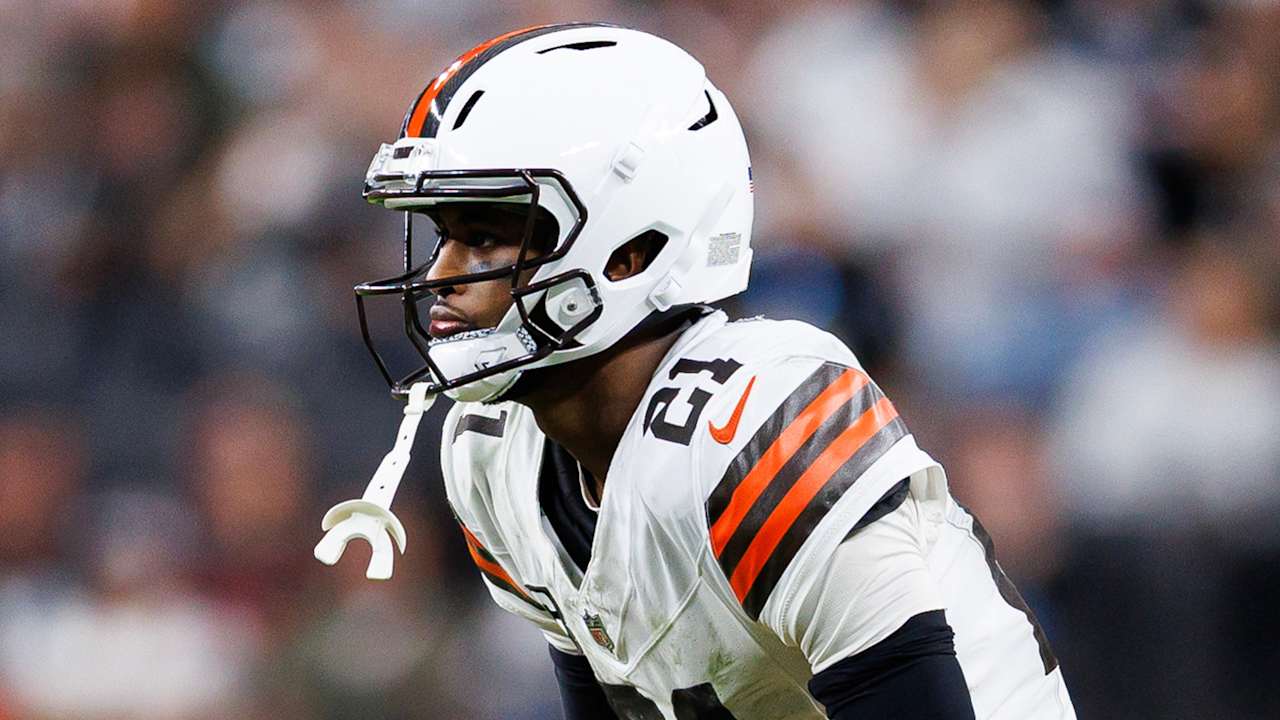
Legal betting on the 2026 NFL season through sportsbooks is expected to remain flat compared to last year, according to the American Gaming Association (AGA), warning of the impact of “backdoor sports betting” on prediction markets.
In a recent release, the AGA indicated that Americans are estimated to wager US$29.5 billion on the NFL season through US regulated commercial sportsbooks, compared to US$29.4 billion in the last season.

AGA President and CEO Bill Miller noted, “We’re excited for the NFL season to kickoff, as are millions of fans eager to engage with their favorite teams. Since the Supreme Court struck down the federal sports betting ban in 2018, legalized sports betting had seen tremendous growth.”
The executive, however, outlined a significant hurdle for further growth in legal sports betting, noting, “this year is different. Since the widespread launch of backdoor sports betting on so-called “prediction markets,” the growth of legal handle has stalled.”
Miller furthered that “These “prediction market” platforms are dangerously misleading consumers by marketing sports wagers as an investment, rather than what it is: entertainment.” The executive further lamented that “Kalshi and other “prediction markets” say they don’t need to follow state- and tribal- regulated sports betting laws or pay state gaming taxes. Their defiance means consumers, including teenagers and freshmen, placing bets without the protections, oversight, and accountability that the legal market provides.”

The AGA indicated that sports bets “make up about 80% of Kalshi’s volume,” while indicating that prediction markets “are operating outside the regulatory frameworks governing sports betting in the 40 jurisdictions where it is legal, while also bypassing the laws prohibiting sports betting in the 11 states that have chosen not to legalize it.”
Prediction market operators, regulators, attorneys general, the Commodity Futures Trading Commission (CFTC) – which oversees prediction markets, tribal gaming authorities and sportsbooks are in heated debate over whether prediction markets should be allowed to provide sports contracts, with the decision likely to be decided only by the Supreme Court.

Dig Deeper
Related stories
 2026/07/21: AGA and IGA call for ban on sports event contracts ahead of Congressional hearing
 2025/08/29: AGA projects record US$30 billion in NFL wagers
 2025/12/19: DraftKings launches prediction market without Railbird
 2025/11/25: What does the future hold for prediction markets after big players break from AGA?
2026/07/21: AGA and IGA call for ban on sports event contracts ahead of Congressional hearing
2025/08/29: AGA projects record US$30 billion in NFL wagers
2025/12/19: DraftKings launches prediction market without Railbird
2025/11/25: What does the future hold for prediction markets after big players break from AGA?
The Backstory
A growth engine runs into a federal-state clash
The American Gaming Association’s warning that legal NFL betting handle may flatten in 2026 marks a sharp change in tone for an industry that has spent much of the post-2018 era emphasizing expansion, legalization and consumer migration from offshore books to licensed operators. The NFL season has become the most important recurring test of that growth. Football drives customer acquisition, advertising strategy and state tax receipts for sportsbooks, making even a modest slowdown politically and commercially significant.
A year earlier, the AGA was still projecting momentum. It estimated Americans would wager a record $30 billion on the 2025 NFL season through legal sportsbooks, up 8.5% from the prior year, citing broader legalization and high public acceptance of sports betting. At the time, the group said regulated betting was available in 38 states and Washington, D.C., and framed the market as a consumer-protection success story tied to licensed operators, responsible gambling tools and state oversight. That optimism is reflected in the AGA’s record 2025 NFL betting forecast, which positioned football wagering as a mature but still-growing segment.
The latest forecast suggests the industry’s core assumption is being challenged: that sports betting growth would continue to accrue mainly to state-regulated sportsbooks. Prediction market operators have complicated that model by offering event contracts tied to sports outcomes while asserting they fall under federal commodities law rather than state gaming statutes.
How prediction markets became the industry’s central threat
The AGA’s language has hardened as sports event contracts have moved from a niche policy dispute to a direct competitive issue. The trade group argues that platforms such as Kalshi and Polymarket are effectively offering sports wagers while avoiding the tax, licensing and consumer-protection regimes that apply to sportsbook operators. Prediction market firms and their supporters counter that event contracts are federally regulated financial products overseen by the Commodity Futures Trading Commission.
The dispute intensified ahead of a July 21 congressional hearing, when the AGA and Indian Gaming Association called for a ban on sports event contracts. Their position, outlined in testimony and industry letters, was that these contracts operate “under the guise” of financial products while bypassing state and tribal authority. The push for a ban, detailed in coverage of the AGA and IGA’s congressional testimony, widened the debate beyond commercial sportsbooks to include tribes, state regulators, lawmakers and federal commodities officials.
The stakes are not limited to market share. State gaming taxes fund education, infrastructure, responsible gambling programs and local services. Tribal gaming revenue supports government functions and community investment. If sports event contracts are deemed federally regulated instruments, states and tribes could lose leverage over a product they view as indistinguishable from sports betting in the eyes of consumers.
Advertising data sharpened the consumer-protection argument
March Madness offered an early look at how rapidly prediction market platforms were pushing into the sports betting conversation. The AGA estimated Americans would legally wager $3.3 billion on the NCAA Division I men’s and women’s basketball tournaments, underscoring the strength of licensed sports betting. But the group also used the tournament period to point to a surge in prediction market advertising.
Sensor Tower data compiled by the AGA showed digital ad impressions for online sportsbooks declined nearly 14% in 2025, while advertising tied to prediction market platforms rose sharply. Kalshi became the third-largest sports betting advertiser by digital impressions in 2025, according to the figures, and through the first two months of 2026 consumers had been exposed to its advertising about 5.2 billion times. The AGA said a growing share of digital sports betting ads seen by consumers did not include state-mandated responsible gaming messages because they came from prediction market operators.
Those figures gave the AGA a practical argument to pair with its legal one. If consumers encounter sports event contracts through sports-style advertising but without responsible gambling disclosures required of sportsbooks, the association argues the market creates both confusion and regulatory arbitrage. The concern was laid out in reporting on how March Madness increased scrutiny of sports betting ads, where the AGA sought to distinguish declining sportsbook ad volume from the rapid rise of federally positioned event-contract marketing.
Tax losses moved the fight into state budgets
The fiscal argument became more pointed when AGA President and CEO Bill Miller said states had already lost more than $1 billion in tax revenue because of prediction markets. Speaking on CNBC, Miller framed the issue as a revenue diversion from governments and tribes to platforms that do not pay gaming taxes. CNBC reported the claim in May at states have lost $1 billion due to prediction markets, a figure that has since become central to the industry’s lobbying case.
The AGA’s own coverage of Miller’s remarks said some states view platforms such as Kalshi and Polymarket as illegal betting that should be regulated locally, while the CFTC maintains authority over swaps and derivatives. The article on the AGA’s $1 billion tax-revenue claim also noted that President Donald Trump had weighed in by saying prediction markets should be regulated by the CFTC, highlighting the federal political dimension.
That split is the crux of the current NFL handle warning. If sports contracts can be offered nationally through a federal framework, they may reach states that have legalized sports betting and states that have rejected it. For sportsbooks, that means competition without equivalent market-access fees, tax rates or compliance burdens. For regulators, it raises questions over age verification, integrity monitoring, advertising rules and self-exclusion programs.
Sportsbook giants complicated the trade group’s position
The politics became more tangled when major sportsbook operators began entering the same market the AGA was criticizing. DraftKings launched prediction-market products in December after leaving the AGA, following FanDuel’s departure from the trade group. The split exposed a divide between the association’s policy posture and the strategic interests of companies that see event contracts as a potential growth channel.
DraftKings said its product would launch with CME Group and initially cover sports and finance, with other categories expected later. It said it would extend responsible-gambling programs into “Responsible Trading” and offer tools such as deposit limits, cool-off periods and self-exclusion. Still, the rollout affected 38 states and Washington, D.C., including large states without legal sports betting such as California, Georgia and Texas. Details of the move were outlined in coverage of how DraftKings launched a prediction market without Railbird.
DraftKings’ decision underscored why the issue may not resolve neatly through industry consensus. Operators that built dominant sportsbook positions under state-by-state regulation are also positioning themselves for a world in which federally regulated event contracts are permitted. That creates incentives to hedge against both outcomes: support regulated sports betting where it exists, while developing prediction-market products if courts or regulators allow them.
The Supreme Court shadow over the 2026 season
The AGA’s flat NFL handle projection is therefore less a narrow forecast than a signal that the legal sports betting industry believes its growth model is at risk. Since the Supreme Court struck down the federal sports betting ban in 2018, expansion has depended on state authorization, licensing and taxation. Prediction markets challenge that structure by invoking a separate federal regime.
Congressional hearings, state enforcement actions, CFTC oversight and industry lobbying are all likely to shape the next phase. But the central question may ultimately be judicial: whether sports event contracts are financial instruments under federal law or sports wagers subject to state and tribal gaming regulation. Until that boundary is settled, football season will serve as a live test of consumer behavior, regulator tolerance and the durability of the licensed sportsbook model.
For the AGA, the 2026 NFL season forecast is a warning that legal betting’s fastest growth years may be giving way to a more contested market. For prediction market operators, the same moment is evidence of consumer demand for nationally available event trading. For states and tribes, the stakes are control, revenue and the authority to decide what counts as gambling within their borders.
