


UAE’s only licensed online gaming platform Play971 inks content agreements with IGT and Endorphina

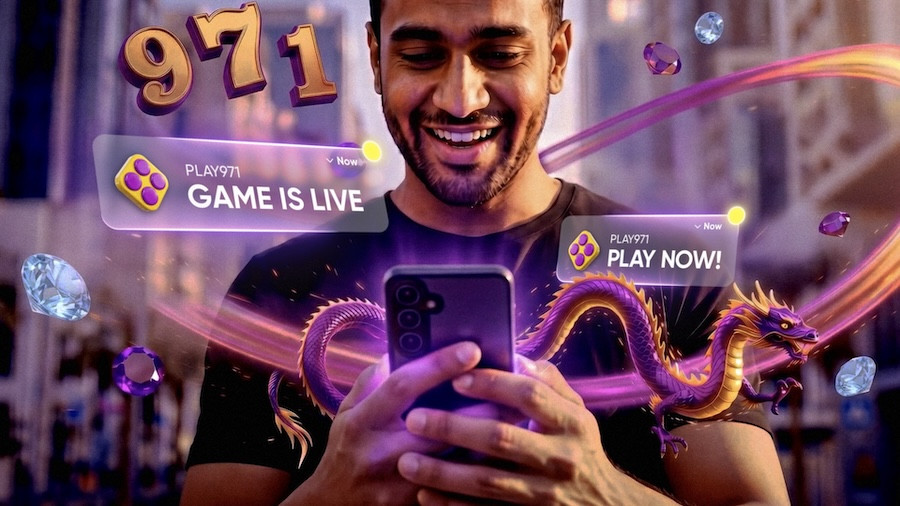
The UAE’s first and only licensed gaming platform, Play971, has expanded its content offering after inking new gaming content agreements with industry titans IGT and Endorphina.
Play971, which is operated by Momentum subsidiary Coin Technology Projects LLC – the only operator to hold an Internet Gaming License issued by the General Commercial Gaming Regulatory Authority (GCGRA) – said the agreements provide it with a diverse mix of high-quality slot and table games set against immersive themes while reinforcing the platform’s commitment to safe, regulated and player-focused gaming.

IGT and Endorphina are among 23 suppliers, spanning both land-based and online, to have been issued Gaming-Related Vendor Licenses by the GCGRA.
“Every business relationship that we form is driven by our mission to deliver world-class, responsible gaming entertainment,” said Philippa Bowland, Commercial Gaming Director at Play971.
“We are proud to welcome IGT and Endorphina – two globally respected brands – as we continue raising the standard for gaming.”

Play971 noted that IGT brings a rich library of iconic and trusted titles backed by decades of innovation, while Endorphina complements this with creative themes, immersive gameplay and popular games enjoyed across international regulated markets.
Both companies expressed enthusiasm for the collaboration.
“We are excited to bring top-performing IGT PlayDigital content through a collaboration rooted in innovation and integrity,” said Gil Rotem, CEO of Digital at IGT. “Leveraging our proven portfolio of player-favorite titles, including Blackjack, Cleopatra and Cats, we look forward to delivering a world-class entertainment experience that engages players and supports the continued growth of the UAE market.”

Lohith Chittajallu, Senior Manager of Partnerships & Expansions, Endorphina, added, “We’re delighted to partner with Play971. It’s exciting to be part of a market that is still in its early stages, and we’re curious to see how players respond to our games. We believe this partnership opens the door to new opportunities, and we can’t wait for players to experience the entertainment and quality that Endorphina is known for.”
Play971, which launched last November, recently announced former Australian cricketer Brett Lee as its first official brand ambassador.

Dig Deeper
Related stories
 2026/06/08: Endorphina secures UAE gaming license
 2026/06/08: UAE’s first licensed sportsbook launches ahead of World Cup
 2026/07/29: Dubai-based airline Emirates launches crypto payment for UAE customers
 2026/07/15: Playtech granted Gaming-Related Vendor License in the UAE, supplying sole B2C operator Momentum (for now)
2026/06/08: Endorphina secures UAE gaming license
2026/06/08: UAE’s first licensed sportsbook launches ahead of World Cup
2026/07/29: Dubai-based airline Emirates launches crypto payment for UAE customers
2026/07/15: Playtech granted Gaming-Related Vendor License in the UAE, supplying sole B2C operator Momentum (for now)
The Backstory
Regulated supply chain takes shape in the UAE
Play971’s content agreements with IGT and Endorphina mark another step in the United Arab Emirates’ deliberate move from prohibition-style restrictions toward a tightly controlled commercial gaming market. The platform, operated by Coin Technology Projects LLC under the Momentum group, remains the country’s only holder of an Internet Gaming License from the General Commercial Gaming Regulatory Authority, making each supplier agreement a test of how the new regime will function in practice.
The deal also shows how the UAE is trying to build a regulated market from the infrastructure outward. The GCGRA has not simply licensed a consumer-facing operator. It has begun authorizing the businesses that supply games, systems and services, creating a compliance chain similar to mature gambling jurisdictions. Endorphina’s involvement follows its separate approval as an early gaming-related vendor, a milestone covered when Endorphina secured a UAE gaming license. That approval allowed the casino software provider to supply gaming products and services in the country and positioned it among the first vendors admitted to the market.
IGT’s participation brings a global supplier with a long-established portfolio of digital and land-based titles. Endorphina adds a studio known for online slots distributed across regulated markets. Together, the agreements help Play971 broaden its product mix while signaling that the UAE market will rely on recognized international suppliers rather than a fragmented or informal content base.
A first-mover platform built around control
Play971’s emergence has been gradual, reflecting the UAE’s preference for controlled implementation. The platform launched in November after regulatory approval and later expanded its offering beyond casino products into sports wagering. The company’s sportsbook became a focal point because it allowed UAE residents to legally bet on major sporting events for the first time under the federal framework.
That development was underscored when Play971 launched the UAE’s first licensed sportsbook ahead of the World Cup. The launch placed the platform at the center of a politically and commercially sensitive shift: permitting legal wagering while applying strict eligibility and identity controls. The platform uses national ID verification, a mechanism that allows the regulator and operator to enforce access rules and distinguish licensed play from gray-market activity.
The sportsbook rollout also gave Play971 a way to reach a broader audience than casino gaming alone. Football and cricket have deep followings across the UAE’s diverse resident population, and legal sports betting offers a regulated alternative to offshore websites. The company later sought to build recognition around that audience when it named former Australian cricketer Brett Lee as its first brand ambassador, a move also reported by Inside Asian Gaming in its coverage of Play971 appointing Brett Lee as brand ambassador.
Vendor licensing becomes the market’s gatekeeper
The UAE’s supplier licensing process is central to the stakes behind the IGT and Endorphina agreements. In many newly regulated markets, operators race to aggregate content, sometimes creating early compliance gaps. The UAE appears to be taking the opposite approach by approving vendors before content reaches players. That gives the GCGRA leverage over game integrity, responsible gaming standards, data handling and ongoing reporting.
Endorphina’s licensing is therefore more than a commercial credential. It indicates that the company has passed an early regulatory filter in a market that is still defining its standards. The supplier described the approval as both an opportunity and a responsibility, language that reflects the heightened scrutiny attached to participation in the UAE. For Play971, using licensed vendors also supports its message that the platform is not merely first to market but aligned with the government’s regulatory design.
The supplier list matters because Play971’s status as the only licensed online operator creates an unusual market structure. In more mature jurisdictions, several operators compete for exclusive content, pricing and player acquisition. In the UAE, suppliers that receive GCGRA approval have a limited number of immediate distribution channels, while Play971 gains significant influence over which games reach legal users. That dynamic can accelerate product quality but also puts pressure on the regulator to maintain transparency as more vendors and operators seek entry.
Asia offers a parallel playbook
The UAE’s development resembles other regulated-market openings where technology suppliers, aggregators and casino brands move first through narrow licensing channels. The Philippines offers a useful comparison. There, the market has become increasingly structured around approved technology partners that connect international content to licensed local operators.
Light & Wonder’s recent Philippines activity illustrates that model. After receiving approval from PAGCOR, the company moved to introduce Playson’s content to local licensees, making Playson the first developer to distribute games through Light & Wonder’s approved platform. The development, detailed in Playson’s approval to supply Philippines operators through Light & Wonder, came after Light & Wonder became the first international accredited systems aggregator and game content provider licensed by PAGCOR, according to Inside Asian Gaming’s earlier report on Light & Wonder’s Philippines accreditation.
PhilWeb’s repositioning shows another side of the same trend. The company has recast itself as a technology-driven infrastructure provider and entered a series of partnerships with operators and content providers. Its exclusive partnership with Pragmatic Play was designed to let licensed Philippine operators access a broad game portfolio through PhilWeb’s hosting and integration services. That followed governance changes, new capital and platform deals with casino brands, including an agreement reported by Inside Asian Gaming for PhilWeb to support Newport World Resorts’ online gaming platform.
Content deals carry strategic weight
In regulated igaming, content agreements are not routine vendor announcements. They help determine player retention, platform differentiation and how quickly legal operators can draw users away from offshore competitors. Play971’s agreements with IGT and Endorphina therefore carry strategic value beyond the addition of new titles.
For IGT, the UAE offers a chance to place recognized products such as blackjack and branded slot content into a market with significant disposable income and a large expatriate population. For Endorphina, the partnership converts regulatory approval into distribution through the only online operator currently active under a UAE internet gaming license. The supplier gains early market data and brand visibility while the market is still small enough for first movers to shape player preferences.
The broader industry context reinforces why suppliers are prioritizing regulated access. BGaming’s recent content partnership with Entain showed how studios use major operators to expand across licensed markets in Europe and Latin America. The logic is similar in the UAE, though the opportunity is earlier-stage and more concentrated. Suppliers want compliant distribution, operators want proven games and regulators want accountable counterparties.
The next test is scale
The immediate question is how quickly the UAE’s regulated online market can grow without loosening the controls that define it. Play971 now has casino content, live dealer products, sportsbook access and a growing roster of licensed vendors. It also has the burden of being the first platform through which regulators, suppliers and players will judge the model.
If the platform succeeds, it could encourage additional vendor approvals, more product verticals and eventually more operator competition. If growth is slow, the market may remain a tightly managed niche, defined more by regulatory caution than commercial scale. Either outcome will matter for global suppliers assessing the UAE against other regulated opportunities in Asia, Europe and Latin America.
For now, the IGT and Endorphina agreements show the UAE moving from licensing theory to operating reality. The market is still young, but the direction is clear: legal gaming will be built through federal oversight, approved technology partners and content suppliers willing to meet the standards of one of the world’s most closely watched new gambling jurisdictions.
