


Sportradar signs deal with Liga Nacional de Basquete

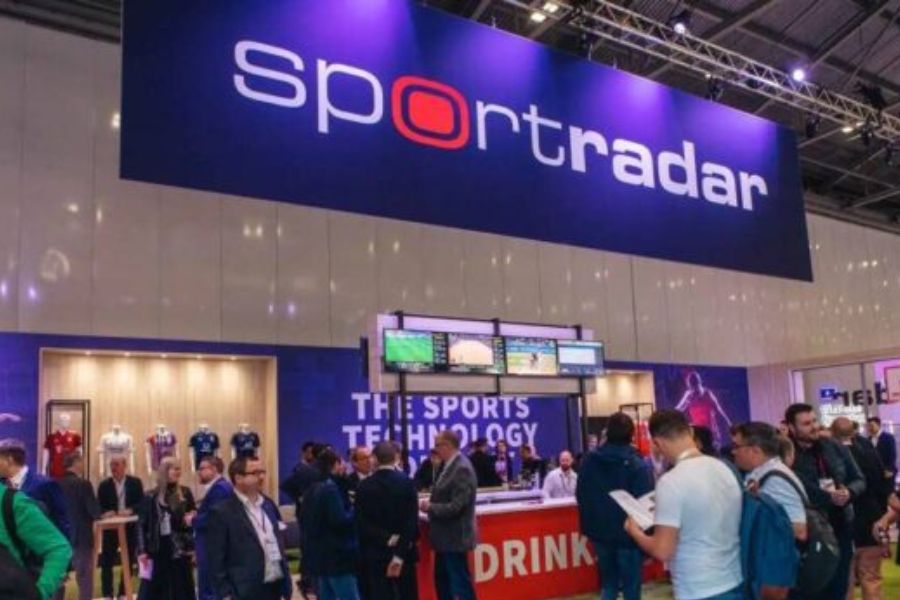
Sportradar has signed a multi-year partnership with the Brazilian professional basketball league, the Liga Nacional de Basquete.
Sportradar has been given worldwide rights for audiovisual betting and gaming, alongside betting data collection and distribution for all Liga Nacional de Basquete competitions.

This includes all the tournaments in the Liga Nacional de Basquete, such as the NBB Caixa, Copa Super 8, Development League, Liga Ouro, Interligas, and the Interligas Development League.
According to the terms of the deal, the Liga Nacional de Basquete will also use Sportradar’s Synergy portfolio of technologies, including Synergy Stats for data collection and analytics, and Synergy Coaching, which is a video analysis and scouting platform used by teams for review and analysis.
The partnership also includes the use of Sportradar’s Universal Fraud Detection System, which will be used to monitor over 620 matches per season, as well as educational workshops for athletes, officials, and administrators on integrity and the prevention of match-fixing.

In a statement, the Managing Director for Brazil at Sportradar, Sergio Floris, said, “We are delighted to partner with the LNB and support the next phase of growth for basketball in Brazil. Sportradar already has a strong presence in the country through partnerships in football and volleyball, and we have long looked forward to welcoming Brazil’s premier basketball league into our portfolio.”
This comes after the company revealed that its revenue was up 17% to €1.3 billion (US$1.5 billion)1 EUR = 1.1691 USD
2026-04-09Powered by CMG CurrenShift in 2025.
Charlotte Capewell brings her passion for storytelling and expertise in writing, researching, and the gambling industry to every article she writes. Her specialties include the US gambling industry, regulator legislation, igaming, and more.

Dig Deeper
Related stories


The Backstory
Momentum behind Sportradar’s Brazil strategy
Sportradar’s move to supply data, audiovisual betting and integrity tools across Brazil’s top basketball competitions fits a pattern: the company has been expanding rights, deepening operator ties and leaning on integrity technology to win market share in Latin America’s largest economy. The timing aligns with Brazil’s fast-formalizing betting and media landscape and Sportradar’s own scale-up after reporting a 17% revenue jump to 1.3 billion euros in 2025. The company’s Synergy coaching and analytics stack, coupled with its Universal Fraud Detection System, aims to make the Liga Nacional de Basquete more valuable to sportsbooks and safer for teams and officials. That mix has underpinned Sportradar’s recent wins across Brazilian football and global tentpoles.
The company’s credibility in Brazil rests on two pillars: official rights that unlock micro and in-play markets, and integrity systems it argues can lower risk for leagues and operators. The LNB package brings both in one contract, extending Sportradar’s footprint beyond football and volleyball into a league that runs year-round competitions and can feed a steady stream of pregame and live betting content.
Rights that fuel betting markets
Sportradar has spent the past year stacking rights that deliver the kind of low-latency data sportsbooks prize. In global football, the company will distribute ultra-low latency betting data and nonexclusive media content from the expanded 2025 FIFA Club World Cup under a deal with broadcaster DAZN, which holds coverage of all 63 matches from June 14 to July 13. The company said the partnership will unlock 190 pregame and 200 in-play markets, including player and micro props, for hundreds of operators and media outlets. That agreement, detailed in Sportradar’s Club World Cup rights deal with DAZN, also stitches integrity protections into the event through Sportradar’s monitoring systems built in concert with FIFA.
The Club World Cup is a showcase for Sportradar’s data distribution scale, but it also acts as a proof point for rights owners. If the company can keep latency tight, markets deep and integrity intact on a global stage, the argument for federations and leagues in growth markets like Brazil to sign on becomes easier. That dynamic is now playing out in basketball, where audiovisual rights bundled with official data and analytics can make the LNB more compelling to both domestic and international sportsbooks.
Operator integrations raise the ceiling
On the operator side, Sportradar has been broadening content portfolios that drive time-on-app and handle. It expanded its partnership with Hard Rock Bet to include official data, odds and in-play betting for the PGA Tour and UFC, adding micro markets such as hole-level options in golf and live props for strikes and takedowns in MMA. The integration, outlined in Sportradar’s PGA Tour and UFC data deal with Hard Rock Bet, shows how official data stitched into a polished interface can convert casual viewers into in-play bettors.
That same logic applies to Brazil’s basketball calendar. With Synergy video tools and team-facing analytics in the mix, Sportradar is positioned to generate more granular live markets from each possession and player action. For operators, official LNB feeds reduce trading risk; for the league, consistent market availability can raise visibility and media value. A steady drumbeat of 600-plus monitored games per season creates inventory to fill off-peak windows in soccer-heavy sportsbooks and opens cross-sell opportunities across sports.
Integrity became a competitive edge
Integrity protections have emerged as a differentiator in Brazil, where regulators and federations have tightened oversight. The Brazilian Football Confederation recently widened its collaboration with Sportradar to monitor more than 8,200 men’s and women’s matches each year across national championships. The CBF framed the move as the most comprehensive coverage yet, citing a sharp drop in suspicious cases tracked in 2024. That context is captured in the CBF’s extended pact to fight match-fixing.
Integrity mandates are also pulling public-sector stakeholders into the fold. As part of the Club World Cup arrangement, Sportradar noted it would continue integrity cooperation stemming from its broader work with global bodies and said it has been providing services and training to Brazil’s Ministry of Sports, a detail referenced in the DAZN Club World Cup announcement. That institutional alignment makes it easier for domestic leagues outside football to justify investing in monitoring and education. For the LNB, bundling workshops for players and officials with fraud detection puts the league on the same governance track as football while signaling commercial readiness to partners and sponsors.
Media and data converge on second screens
The rights-and-integrity story is converging with a media shift toward live data overlays and interactive viewing. ESPN Brazil is integrating Statscore’s LivematchPro tracker into digital programming and YouTube streams to add real-time statistics, visual updates and key insights alongside commentary. The initiative, described in Statscore’s deal with ESPN Brazil, underscores how broadcasters are racing to meet fans’ expectations for data-rich, on-demand context.
That competition pressures data providers to deliver not only accuracy and speed but also flexible presentation layers that work across platforms. Sportradar’s Synergy tools, now part of the LNB rollout, support coaching and scouting but have implications for fan-facing content and sponsorship activations. If leagues can repurpose coaching-grade clips and analytics into broadcast-friendly packages, they can drive deeper engagement and justify higher rights fees. The ESPN Brazil move signals that demand exists for hybrid experiences in which data, video and betting coexist across devices.
Latin America’s wider playbook
Brazil’s rapid professionalization in sports data and betting is colliding with a broader Latin American push to monetize fandom beyond logos on kits. In Colombia, Betsson and Atlético Nacional launched a club-branded online slot, Rey de Copas, to extend the team’s identity into gaming with customized symbols and a multiplier mechanic. The release, covered in Betsson’s Atlético Nacional slot rollout, highlights how operators and clubs are building products that turn loyalty into recurring digital revenue. Betsson’s entry into Brazil with a local license earlier this year adds another line between markets, as cross-border operators look to replicate playbooks across the region.
For Brazilian basketball, the stakes are clear. A robust data rights deal can lift the LNB into more sportsbook menus and media feeds, while integrity protections reduce reputational risk as handle grows. The broader ecosystem—from ESPN Brazil’s real-time overlays to operator-led fan products in neighboring countries—suggests the market is ready to reward properties that package reliable data, immersive content and clean competition. Sportradar’s recent track record with global events, operator integrations and Brazilian football gives the LNB a template to follow and a partner with incentive to scale. If execution matches ambition, the deal could push Brazil’s domestic hoops closer to the commercial rhythm long dominated by football.
