


Judge denies NCAA plea to stop DraftKings from using March Madness

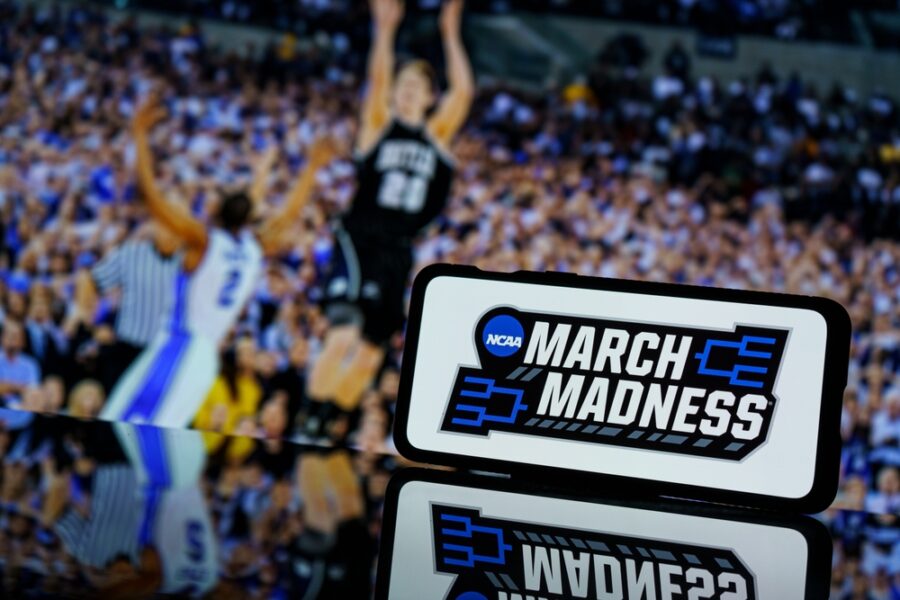
A federal judge has denied a request by the NCAA to stop sportsbook operator DraftKings from using “March Madness” and other tournament-related trademarks in its sportsbook promotions.
The ruling, issued Thursday in the Southern District of Indiana and reported by ESPN, found that the NCAA failed to show that the operator’s use of terms including “Final Four,” “Elite Eight,” and “Sweet Sixteen” would cause irreparable harm.

The lawsuit filed last week alleged trademark infringement and sought to halt DraftKings’ marketing tied to the men’s and women’s college basketball tournaments.
In her decision, Judge Tanya Walton Pratt wrote, “with further discovery, the NCAA may be able to show they are entitled to a preliminary or permanent injunction, and those claims remain pending.”
DraftKings said in a Wednesday court filing that it had used the terms for more than five years and had the legal right to continue. The company argued the phrases were widely recognized and commonly used by fans, media, and other sportsbooks.

The NCAA said in its complaint that the use of its trademarks created confusion and suggested endorsement, which it opposed because of its position against links between gambling and college sports.
Charlotte Capewell brings her passion for storytelling and expertise in writing, researching, and the gambling industry to every article she writes. Her specialties include the US gambling industry, regulator legislation, igaming, and more.

Dig Deeper
Related stories
 2026/03/09: Men’s college basketball most wagered sport on Kalshi last month despite NCAA scrutiny
 2026/01/26: Missouri rejects NCAA push to restrict college athlete prop bets
2026/03/24: NCAA sues DraftKings over March Madness trademarks
2026/01/26: Missouri rejects NCAA push to restrict college athlete prop bets
2026/03/24: NCAA sues DraftKings over March Madness trademarks
 2025/04/30: NCAA gambling data sale sparks public health concerns
2026/03/09: Men’s college basketball most wagered sport on Kalshi last month despite NCAA scrutiny
2026/01/26: Missouri rejects NCAA push to restrict college athlete prop bets
2026/03/24: NCAA sues DraftKings over March Madness trademarks
2025/04/30: NCAA gambling data sale sparks public health concerns
The Backstory
How a marketing fight spilled into federal court
The National Collegiate Athletic Association escalated a long-simmering tension with the wagering industry when it sued DraftKings in federal court in Indiana, accusing the operator of trading on protected tournament brands without permission. The complaint alleged unauthorized use of “March Madness” and flagship marks like “Final Four,” “Elite Eight” and “Sweet Sixteen” in promotions tied to the men’s and women’s basketball tournaments. The NCAA argued the branding could mislead consumers into thinking there was an official partnership and said it has avoided such ties to preserve the integrity of college sports. For background on the filing and DraftKings’ response, see NCAA sues DraftKings over March Madness trademarks, as well as the complaint itself posted by Reuters here.
DraftKings countered that its use of the terms is descriptive and longstanding, arguing the phrases are widely recognized and commonly used across media and by rivals to identify the tournaments. It told the court it had used the terms for more than five years, asserting fair use and industry practice. The dispute thrusts a marquee sports event into a broader question: how far sportsbooks can go in referencing tentpole competitions that drive audience and handle without crossing into protected trademark territory.
In coverage that framed the early legal wrangling, ESPN reported the NCAA sought a preliminary injunction to halt DraftKings’ marketing during the tournaments, arguing imminent confusion and reputational harm. Read ESPN’s account of the court’s first ruling here.
The judge’s early read leaves the door open
A federal judge in the Southern District of Indiana denied the NCAA’s request for immediate relief, finding the association did not show irreparable harm from DraftKings’ use of the tournament terms at this stage. The opinion signaled that while the bar for an emergency halt was not met, core trademark claims could proceed after fuller discovery. That keeps pressure on both sides. For the NCAA, it means turning preliminary concerns into evidence of actual confusion or damage. For DraftKings, it means defending practices it says are descriptive and ubiquitous across the marketplace.
The decision underscores how courts often parse trademark fights involving widely known phrases. Judges can see such terms as shorthand necessary to identify events, especially when operators list or discuss games alongside other competitions. Yet if discovery shows instances where branding crosses from description to implied endorsement, the calculus can change. The denial of early relief is not exoneration; it is a pause before the fact-finding tug of war.
Why March drives the business — and the stakes
The commercial backdrop is hard to miss. March delivers one of the biggest surges of betting interest of the year, particularly in newly opened or highly competitive state markets. In New York, the nation’s largest regulated market by handle, DraftKings edged FanDuel in March revenue for the first time in 15 months as tournament action spiked. Read how the month reshaped the leaderboard in March Madness lifts DraftKings past FanDuel in New York.
The results highlight why brand positioning around the tournament matters. Operators battle for handle share, conversion and retention when casual fans return to bet on brackets, moneylines and totals. Being top of mind when consumers search for games tied to the tournament can translate into millions in gross gaming revenue. That context sharpens the NCAA’s claim that its brands carry unique equity it wants to control, and DraftKings’ contention that describing a tournament that dominates the sports calendar is a necessity, not an endorsement.
NCAA’s parallel push to police gambling risks
At the same time it pressed its trademark case, the NCAA moved to curb gambling-related harms around the tournament. It published new data showing a decline in betting-linked abuse directed at athletes during March Madness, even as overall abuse trends diverged between men’s and women’s games. The association, which partnered with Signify Group’s monitoring tools, said sports-betting abuse fell 36% for men and 66% for women. Read the details in March Madness sports betting abuse down 23%, according to NCAA.
The NCAA also extended its exclusive data partnership with Genius Sports and pushed for bans on certain high-risk prop bets, moves it argues protect athletes and the integrity of outcomes. These initiatives form the policy flank of the same strategy animating the trademark lawsuit: maintain clear distance between college events and commercial wagering, particularly in ways that could expose athletes to pressure or harassment. The NCAA’s simultaneous legal and integrity campaigns help explain why it is drawing a bright line on brand usage, not just betting behavior.
Regulatory crosswinds for fantasy and betting
The legal line between permissible fantasy contests and illegal betting remains contested in key states. In California, a judge declined Underdog Fantasy’s bid to block an opinion from the state attorney general that could classify daily fantasy sports as illegal gambling. The court noted the forthcoming opinion would not itself change the law, but the skirmish underscores uncertainty in a huge potential market. See California judge denies Underdog Fantasy’s petition over Attorney General opinion.
These regulatory questions ripple into how operators market around national events. If states tighten definitions or enforcement, companies may shift from promotional language that evokes tournaments to strictly descriptive listings and lean more on league-approved assets. The NCAA’s trademark stance arrives amid this unsettled environment, adding another constraint for marketers calibrating risk across jurisdictions.
Athletes under the microscope and the optics problem
Even allegations, when amplified online, can complicate the NCAA’s message about guarding college sports from gambling influences. Oklahoma quarterback John Mateer recently denied ever betting on sports after social posts circulated screenshots of Venmo entries labeled “sports gambling” from 2022. The university said it takes allegations seriously and is unaware of any NCAA investigation. The episode, detailed in Oklahoma quarterback denies sports betting allegations, included Mateer’s public statement on X, which he posted here.
These incidents feed a broader perception risk: that college athletes are within reach of betting culture, whether through social media, prop markets or gray areas of peer-to-peer transactions. That perception is precisely what the NCAA wants to counter by limiting brand use it views as implying endorsement and by advocating prop bet restrictions. The legal fight with DraftKings is one lever in a larger attempt to keep the tournament’s value high while minimizing the sport’s exposure to wagering-linked controversy.
Taken together, the injunction ruling, market performance in March, integrity initiatives and regulatory friction point to a drawn-out tussle over who controls the language of one of America’s biggest sports events. The question now is whether discovery will surface evidence strong enough to convert the NCAA’s concerns into courtroom remedies, or whether the industry’s reliance on descriptive use prevails in a marketplace that treats March as a season of its own.
