


DraftKings launches DK Replay for the MLB season

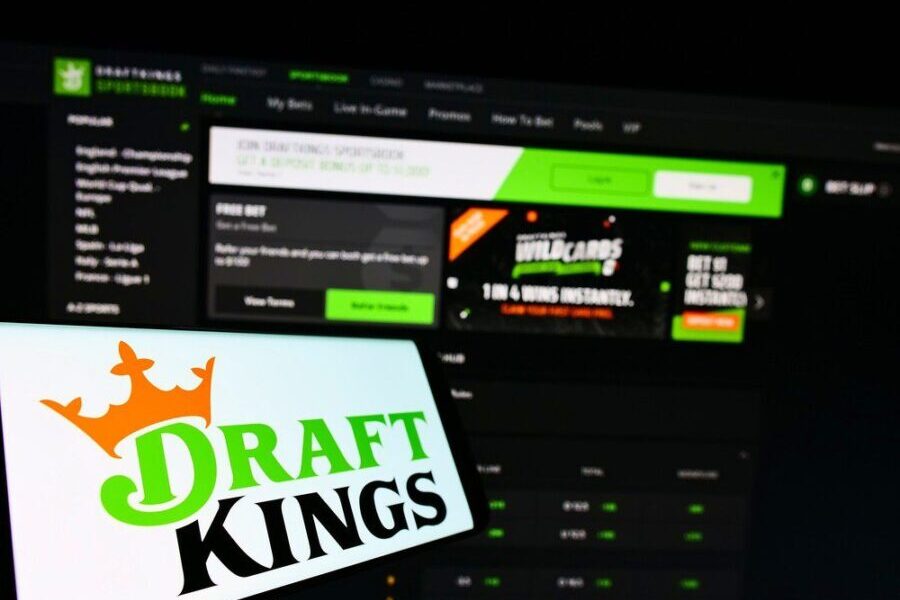
DraftKings has introduced a new betting feature for the MLB season in DK Replay, designed to keep sports wagering active even when no live games are being played.
The feature, initially launched in Oregon following regulatory approval, lets bettors engage with past MLB games in a format that mimics live, in-play wagering.

Rather than betting on current events, users are presented with anonymized pitcher-versus-batter scenarios drawn from real games.
The main performance indicators, such as batting averages and pitching stats, are provided, but the players’ identities remain hidden. Instead, they are rated bronze, silver, or gold.
Users can wager pitch-by-pitch, predicting outcomes such as balls, strikes, or balls put into play, within a fixed timeframe. Once a bet is placed, the actual result is revealed and graded instantly, after which full details of the original matchup are disclosed, and customers can choose to bet on a new matchup.

“DK Replay offers a new experience for our customers, allowing them to tap into the excitement of pitch-by-pitch betting in a unique historical environment,” said Corey Gottlieb, Chief Product Officer at DraftKings. “With DK Replay, we’re able to offer an experience that will allow customers to enjoy their favorite sports no matter the time of year.”
This month, DraftKings has also expanded its betting presence with a launch in Arkansas.
Charlotte Capewell brings her passion for storytelling and expertise in writing, researching, and the gambling industry to every article she writes. Her specialties include the US gambling industry, regulator legislation, igaming, and more.

Dig Deeper
Related stories
 2025/02/07: Genius Sports aspires to a ‘new standard for in-play betting’ with latest BetVision release
 2026/06/24: BetMGM and MGM Resorts International renew multi-year partnerships with Major League Baseball
 2025/11/18: Ohio pauses updates to sports betting regulation as MLB limits prop wagers
 2025/02/10: MLB takes equity stake in Sportradar
2025/02/07: Genius Sports aspires to a ‘new standard for in-play betting’ with latest BetVision release
2026/06/24: BetMGM and MGM Resorts International renew multi-year partnerships with Major League Baseball
2025/11/18: Ohio pauses updates to sports betting regulation as MLB limits prop wagers
2025/02/10: MLB takes equity stake in Sportradar
The Backstory
Why a simulated in-play tool lands now
Baseball’s long calendar has always created gaps for sportsbooks when the schedule thins or clocks strike off-hours. Operators have spent the past two seasons building micro-betting and “fast market” products to keep handle flowing between first pitch and final out. That push has accelerated as leagues and regulators test new boundaries for fan engagement and integrity. Major League Baseball, in particular, has moved to steer what kinds of wagering and forecasting live alongside its games, setting the context for innovation that blurs lines between real-time action and modeled replay.
The league’s evolving posture on adjacent markets is not happening in a vacuum. It is a response to surging demand for instant, bite-size bets, the rise of prediction platforms, and heightened scrutiny of integrity controls after high-profile investigations. Products that mimic at-bat decisions or pitch outcomes offer a way to satisfy always-on demand while controlling inputs and disclosures. They also give operators another lever to manage liquidity and engagement during slow periods without depending on a live game clock.
MLB’s integrity pivot opens new channels
Commissioner Rob Manfred has signaled a strategic shift toward working with federally overseen prediction platforms to bolster oversight. In owner meetings, he outlined how partnering with prediction markets could provide different protections than state-by-state sportsbooks, reflecting a dual-track regulatory landscape. That rationale underpinned the league’s more recent coordination with federal market watchdogs. It is a notable departure from years when leagues largely kept distance from such exchanges.
The pivot quickly moved from concept to execution. MLB named Polymarket its official prediction market exchange after reaching a memorandum of understanding with the Commodity Futures Trading Commission. The agreement includes information sharing and periodic reviews of contracts that might raise integrity concerns. With access to league branding and official data to help resolve outcomes, the exchange gains legitimacy while MLB gains greater visibility into trading behavior that can flag anomalies. This formal relationship suggests the league will tolerate and even curate new forecasting products so long as it retains tools to police them.
Read more on Manfred’s stance in MLB’s exploration of prediction market partnerships during owner meetings in Florida, and the subsequent step to appoint Polymarket as the league’s official prediction exchange.
DraftKings’ product arc points to constant engagement
DraftKings has been widening its funnel to keep customers active beyond marquee events. Ahead of football season, the company flagged record acquisition and engagement trends, underscoring how micro-markets and live props have become core features. Executives also acknowledged the gravitational pull of prediction markets, even as some rivals warned of tighter federal oversight if the lines blur further. That tension illustrates why operators are experimenting with formats that deliver in-play excitement while staying within familiar regulatory frameworks.
Beyond mechanics, the company is trying to expand its reachable audience. A new Spanish-language interface for its sportsbook and iGaming platforms targets a growing multilingual base in the United States and Ontario. Localizing onboarding, navigation and responsible gaming tools reduces friction and can lift conversion rates in competitive markets. These moves suggest a strategy aimed at both breadth and stickiness: more entry points and more reasons to return daily, whether or not the live calendar cooperates.
For context on the football surge and the industry’s view of prediction platforms, see how sportsbook chiefs projected a record NFL season and debated the rise of exchanges. On localization and customer reach, DraftKings’ Spanish-language rollout across its apps shows how the operator is trimming barriers to entry while it reassesses its stance in adjacent markets.
Rivals escalate in-play depth and data
Competitors are not standing still. Sportsbook platform provider Altenar expanded its MLB catalog with live bet builders and a larger mix of proposition markets powered by real-time feeds. The architecture mirrors a broader arms race: marry official or near-official data with product tooling that lets bettors assemble personalized, at-bat wagers as situations evolve. The bet builder has become the spine of this strategy because it scales across innings and user preferences, drives parlay density and increases session time.
These enhancements reflect a race to differentiate on latency, pricing granularity and market variety. Partnerships with data specialists and distributors are now table stakes; the winners aim to turn those feeds into experiences that feel live even when the ball is not in play. That dynamic helps explain why simulated or historical in-play formats are gaining traction. They offer a controllable environment to deliver the same dopamine cycle as live action while avoiding the constraints of real-world scheduling or blackout windows.
Altenar’s push to deepen MLB live options underscores how quickly the competitive moat can shift in this category. More on that build-out here: Altenar extends MLB coverage with in-play bet builders and expanded props.
The stakes: liquidity, regulation and fan trust
The immediate prize is engagement during off-peak hours, which can smooth revenue seasonality and reduce reliance on tentpole events. For operators, products that mimic live betting on historical or simulated sequences offer continuous markets without the operational risks tied to venue disruptions or weather. For MLB, embracing structured relationships with prediction exchanges while operators innovate on micro-betting creates both visibility and leverage. The league can set red lines, secure data value and monitor trading patterns that might signal integrity threats.
But the line between sports wagering and federally supervised prediction markets is narrowing. That invites questions about venue choice, consumer protections and compliance burden. Some executives warn that deeper integration with exchanges could draw broader federal scrutiny into the betting sector. Others argue that a federal layer brings consistency and better tools to detect manipulation. How that debate resolves will influence where innovation migrates—toward exchange-style products, bookmaker-led micro-markets or hybrid formats governed by memorandums with regulators.
As operators add language support, faster pricing and simulated in-play bets, the competitive edge will likely favor those who can keep bettors active daily without eroding trust. MLB’s recent moves suggest the league intends to shape that path rather than react to it. The outcome will determine how much of the next growth wave comes from real innings and how much arrives from controlled, data-driven replays that feel just as immediate.
