


DigiPlus brings legendary Philippines horror anthology to life via Shake, Rattle & Roll-inspired games series

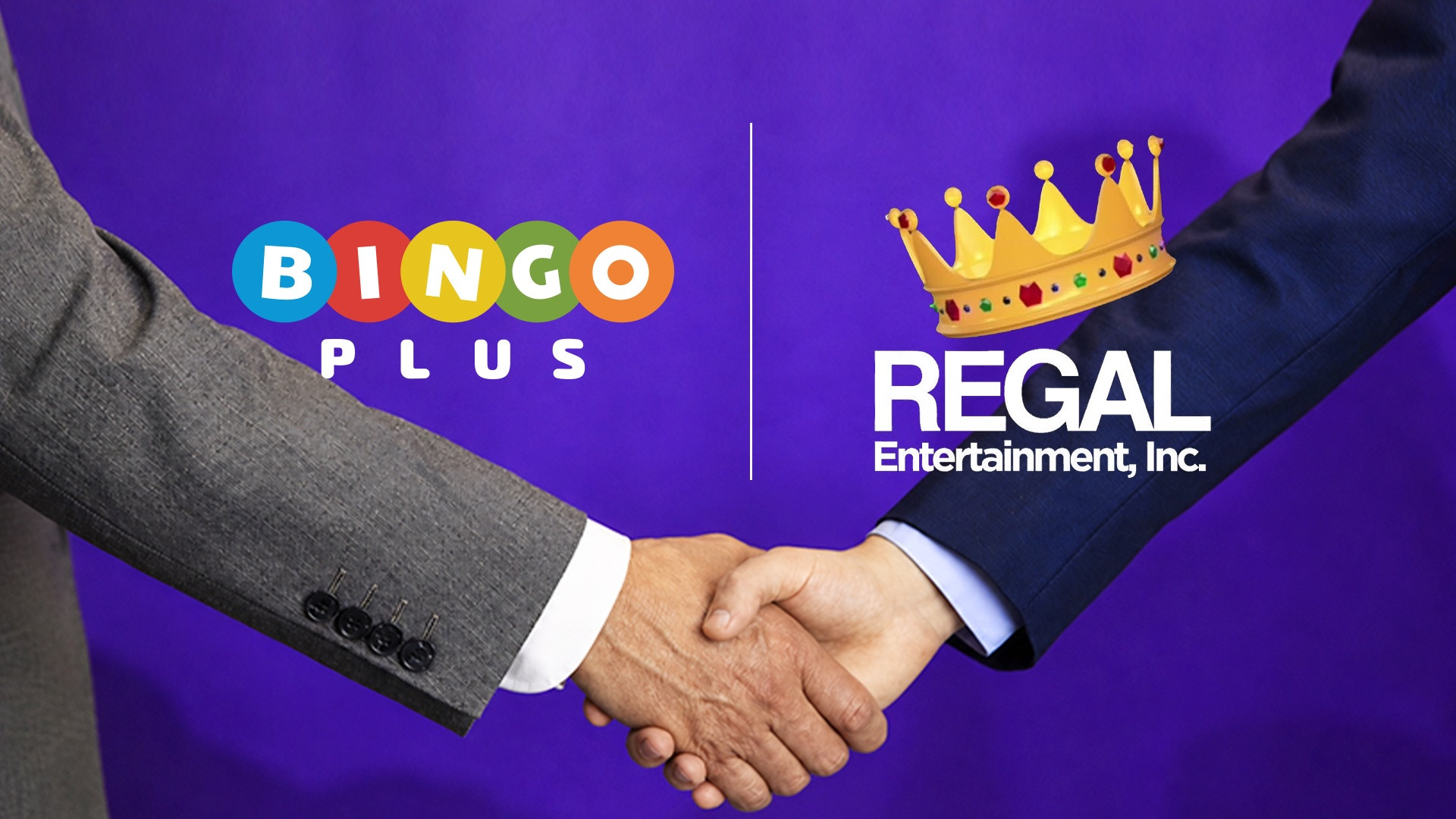
The Philippines’ leading online gaming operator, DigiPlus Interactive Corp, has announced a collaboration with Regal Entertainment that will see the country’s iconic Shake, Rattle & Roll franchise brought into digital gaming.
The collaboration, executed via DigiPlus brand BingoPlus, forms part of the group’s strategy to bring distinctly Filipino stories and creative properties into new digital formats.

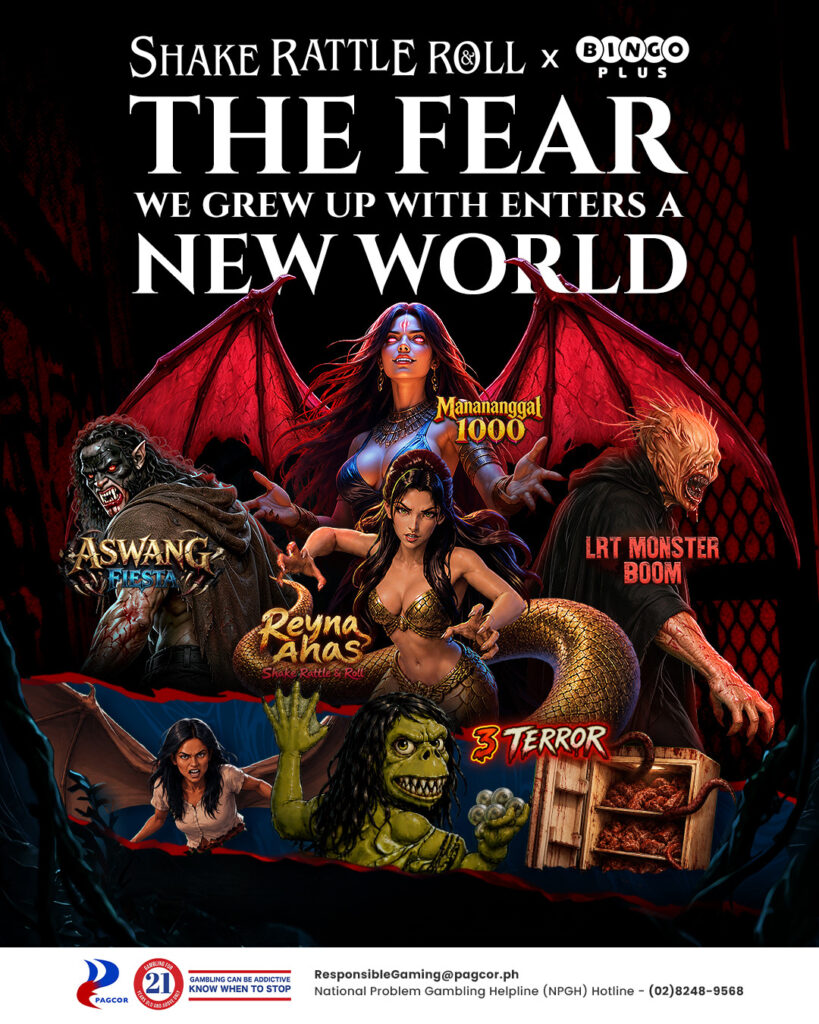
First released in 1984, Shake, Rattle & Roll is the Philippines’ longest-running horror anthology film series, renowned for bringing creatures from Philippine mythology, local folklore and memorable fictional characters to the big screen. Through this collaboration, DigiPlus said elements of the celebrated franchise are reimagined for a new generation, extending its storytelling legacy from cinema into interactive entertainment.
It will be launched with five original titles: “Manananggal,” “Reyna Ahas,” “Triple Terror,” “LRT Monster” and “Aswang.”
“For more than four decades, Shake, Rattle & Roll has remained part of Philippine popular culture through stories that are distinctly Filipino,” said Roselle Monteverde, President of Regal Entertainment. “Our collaboration with DigiPlus opens a new chapter for the franchise, bringing its creative legacy into digital entertainment while preserving the storytelling and cultural identity that have made it enduring.”

According to DigiPlus, the five Shake, Rattle & Roll-inspired games debuted on BingoPlus on 22 October and will be rolled out in phases on ArenaPlus and GameZone, extending the collection across DigiPlus’ portfolio of digital entertainment brands.
“Innovation at DigiPlus is about setting new standards for how digital entertainment is created and experienced,” said DigiPlus Chairman Eusebio H. Tanco. “We bring together technology, creativity and a deep understanding of our audiences to develop experiences that are engaging, differentiated and distinctly relevant to our users.
“Our strategic partnership with Regal Entertainment reflects this approach. By combining the film outfit’s strong creative legacy with DigiPlus’ digital capabilities and local market insight, we are creating new opportunities to bring established Filipino entertainment into the digital space, strengthen our content portfolio and deliver greater value to our audiences,” Tanco added.

Dig Deeper
Related stories
 2026/04/24: MediaNug building creative systems that scale in gaming
 2026/08/03: DigiPlus expands livestream bingo suite with Bingo Speed launch
 2025/02/27: Philippine gaming technology firm DigiPlus setting up Singapore office to drive global expansion
 2026/07/06: Investor urges DigiPlus to launch substantial share repurchase due to “absurd” valuation of shares
2026/04/24: MediaNug building creative systems that scale in gaming
2026/08/03: DigiPlus expands livestream bingo suite with Bingo Speed launch
2025/02/27: Philippine gaming technology firm DigiPlus setting up Singapore office to drive global expansion
2026/07/06: Investor urges DigiPlus to launch substantial share repurchase due to “absurd” valuation of shares
The Backstory
Local content becomes a strategic lever
DigiPlus Interactive Corp.’s move to turn Regal Entertainment’s Shake, Rattle & Roll horror anthology into a slate of digital games fits a broader shift in the company’s growth strategy: using local culture, familiar formats and proprietary distribution to deepen engagement in the Philippine market while preparing for expansion abroad.
The company has built its position around mass-market digital entertainment brands, led by BingoPlus, ArenaPlus and GameZone. Its latest collaboration with Regal extends that model from game mechanics into recognizable intellectual property. Rather than simply adding another set of titles, DigiPlus is attaching its platforms to one of the Philippines’ most durable film franchises, a horror series that has remained part of local popular culture since the 1980s.
That approach reflects a maturing online gaming market in which operators are competing not only on access, payments and promotions but also on content identity. For DigiPlus, Filipino themes can help differentiate its platforms from generic casino and arcade-style products, particularly as user acquisition costs rise and retention becomes more dependent on steady product refreshes.
Product cadence has been central to the recovery plan
The Regal tie-up follows a period in which DigiPlus has continued to expand its product suite despite pressure on revenue and earnings. In a recent launch, the company introduced Bingo Speed as a faster livestream bingo product, adapting a traditional bingo-hall format for mobile and online play with shorter rounds, automated card marking and quicker number draws.
That launch was framed as part of the company’s push to keep its platforms fresh for Filipino players. It also came after DigiPlus reported a slower first quarter, with net income down 33% to PHP2.8 billion and revenue down 25% to PHP17.2 billion. The company attributed the decline to e-wallet restrictions that affected user activity and transaction flows.
The current Shake, Rattle & Roll initiative can be read against that backdrop. New content gives DigiPlus another way to drive usage at a time when the company has been adjusting to payment friction and looking to reinforce engagement. The use of known characters and folklore-inspired themes may also lower the burden of introducing new games because the brand recognition already exists outside the gaming environment.
The company’s public comments around recent launches have repeatedly paired innovation with cultural relevance. Bingo Speed kept the core bingo mechanic but altered pacing for digital audiences. The Regal collaboration goes further by importing a long-running entertainment property into interactive formats. Both moves point to the same operating logic: retain familiar foundations, then redesign them for online consumption.
Marketing pressures favor recognizable formats
DigiPlus’ content strategy also sits within a wider industry environment in which creative output has become a bottleneck for gaming operators. As paid media, platform targeting and campaign budgets become more standardized, operators increasingly need a steady supply of distinctive creative assets that can be tested, refreshed and localized.
That trend was reflected in Complete iGaming’s report on MediaNug’s work building scalable creative systems in gaming. The report described how operators are moving away from one-off campaign production toward repeatable systems that support testing across hooks, formats, creators and platforms. In regulated gaming, speed is constrained by legal review, compliance checks and approval processes, making prebuilt creative pipelines more valuable.
For a Philippine operator such as DigiPlus, entertainment partnerships can support that need. A franchise such as Shake, Rattle & Roll provides characters, themes, visual cues and storylines that can feed both product design and marketing creative. It gives campaign teams recognizable material to adapt across social media, livestream environments and platform promotions, while staying tied to Filipino cultural references.
The localization point is important. Gaming brands often compete for similar audiences using similar acquisition channels. When product features are easily copied, audience familiarity and cultural specificity become sources of differentiation. A horror anthology built around Philippine mythology and folklore gives DigiPlus a content base that is less interchangeable than standard game themes.
International expansion raises the execution bar
While the current launch is rooted in the Philippine market, DigiPlus has also been building infrastructure for international expansion. The company announced plans to establish a Singapore-based subsidiary, DigiPlus Global Pte Ltd, as a regional hub for strategic partnerships, talent acquisition and international growth.
It later said it had launched DigiPlus Global in Singapore, positioning the office as an administrative and management base rather than an operating site for online gaming in Singapore. The distinction matters because the company has emphasized compliance with local regulatory frameworks while using Singapore’s business infrastructure to support expansion into regulated markets.
That international push includes Brazil, where DigiPlus secured an online gaming license allowing it to operate sports betting and bingo platforms. Inside Asian Gaming previously reported that the company had secured a Brazilian igaming license, marking an early step in its move beyond the Philippines.
As DigiPlus extends its footprint, the company will need to decide which parts of its Philippine playbook can travel and which need local adaptation. The Shake, Rattle & Roll collaboration is highly domestic by design. Its value lies in cultural specificity, not global portability. But the underlying model — converting known entertainment properties into digital gaming experiences — could be replicated with other partners and markets if DigiPlus can combine licensing, product design and compliance execution.
Investor scrutiny adds urgency
The expansion and product launches are unfolding as investors scrutinize DigiPlus’ valuation and capital allocation. A shareholder group led by Tomasz Juroszek recently urged the board to begin a large share repurchase program, arguing that DigiPlus’ share price did not reflect its cash generation, market position or long-term prospects.
In the open letter, the investor group said DigiPlus was trading at unusually low valuation multiples compared with global listed business-to-consumer gaming operators. The group described the company as fundamentally intact despite a difficult period caused by e-wallet access changes and broader macroeconomic pressures. It also pointed to DigiPlus’ cash position and limited debt as reasons the company could use buybacks to create shareholder value.
That pressure puts management’s operating choices in sharper focus. Product development, international expansion and corporate infrastructure all require capital and management attention. Investors asking for buybacks are effectively questioning whether alternative uses of cash can generate better returns. For DigiPlus, launches such as the Regal collaboration help demonstrate that reinvestment is aimed at strengthening the core platform rather than chasing unfocused growth.
The stakes for DigiPlus
The Shake, Rattle & Roll games arrive at a point when DigiPlus is balancing three priorities: defending its Philippine leadership, rebuilding momentum after payment-related disruption and laying groundwork for regulated international expansion. Content tied to a major local film franchise supports the first two aims by giving existing users something familiar but new, while reinforcing the company’s claim that its platforms are built around Filipino entertainment habits.
The strategy carries execution risks. Licensed intellectual property must translate into games that players return to, not just titles that attract initial attention. The rollout across BingoPlus, ArenaPlus and GameZone will test whether the concept can work beyond a single platform and whether horror-themed Filipino storytelling can drive sustained engagement in gaming formats.
If it works, the partnership could strengthen DigiPlus’ position at the intersection of gaming, entertainment and local culture. It also may offer a template for future collaborations with Philippine media owners and, eventually, entertainment brands in other regulated markets. For now, the move signals that DigiPlus sees content depth and cultural relevance as central to its next phase, not as marketing add-ons.
