


Washington D.C. online casino bill advances out of Council committee

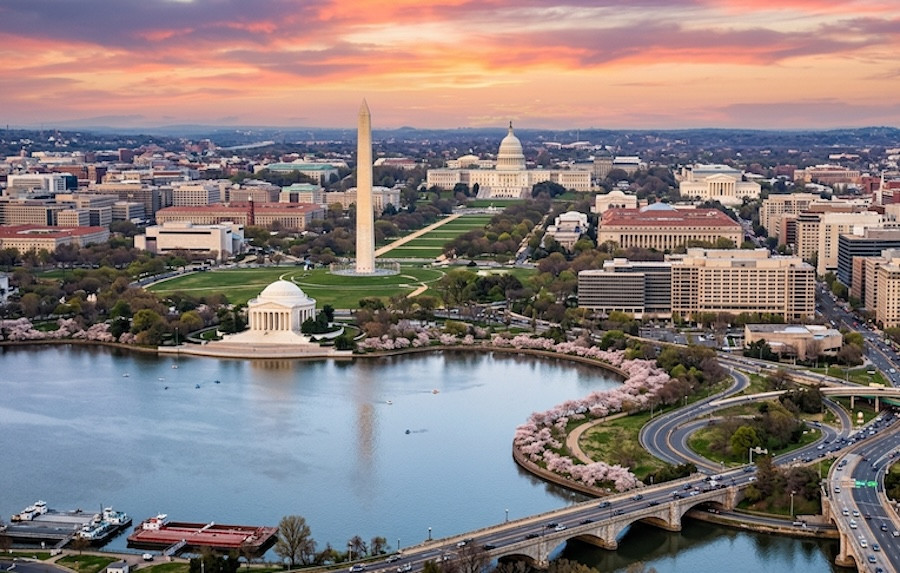
Washington D.C.’s Committee on Human Services has advanced a bill that would legalize and regulate online casino gaming in the District, while banning sweepstakes-style gaming products.
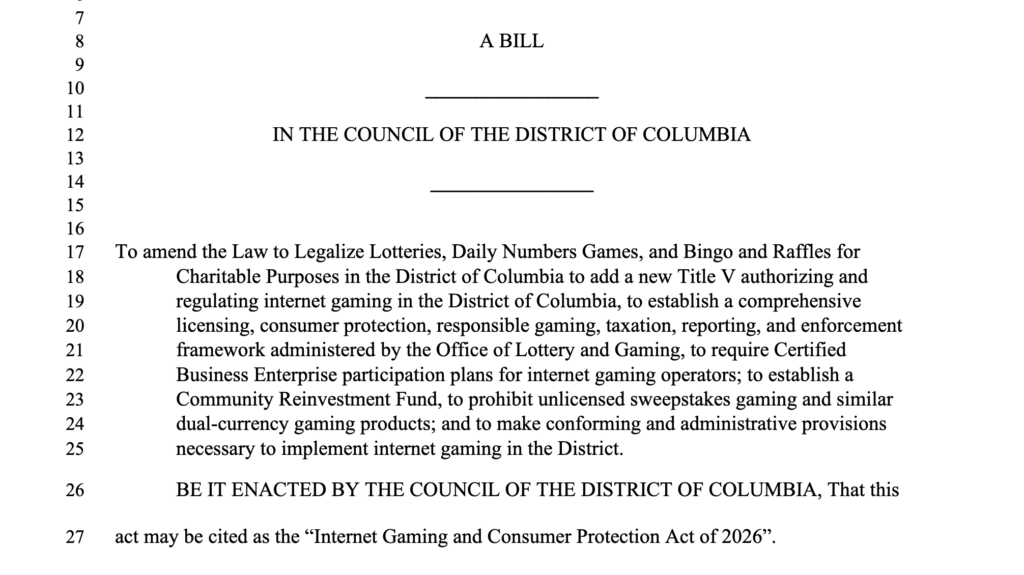
The Internet Gaming and Consumer Protection Act of 2026 (B26-0656), introduced by Councilmember Wendell Felder in April, received a public hearing in May before the committee voted to advance the legislation on Wednesday. The bill now requires approval by the full Council before the end of the current Council period.

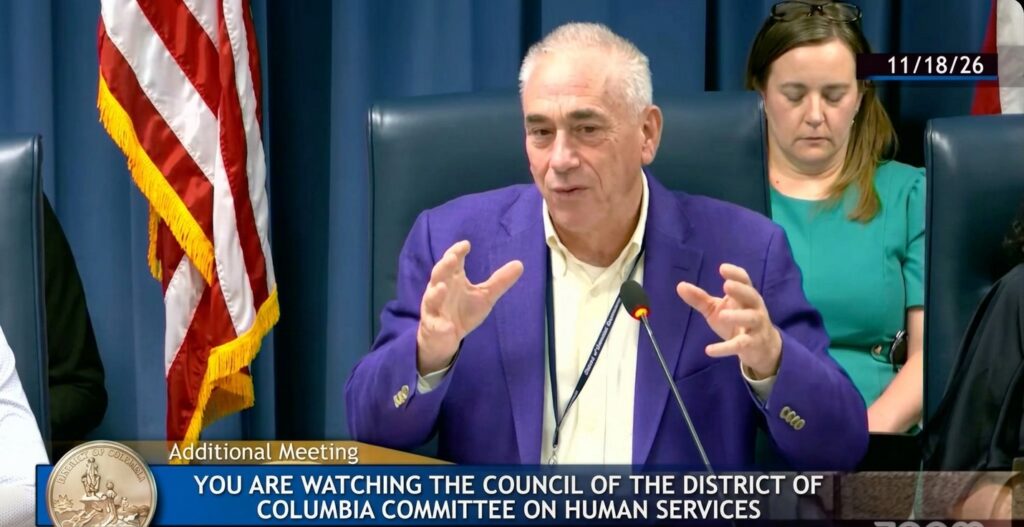
Speaking during the Wednesday debate, Councilmember Matt Frumin, chair of the Committee on Human Services, noted that “one of the things that is unfortunate about this is that it […] can turn into a conversation about revenue, and if were just about revenue, we shouldn’t do it,” highlighting the Consumer Protection aspect of the bill and noting residents are “at the mercy of these illegal apps.”
The official furthered, “on the Kalshi side,” referring to prediction markets, “it’s not regulated and we don’t have the capacity to regulate it, but our residents are being bombarded by all different types of technologies and ways of betting, some regulated, some not regulated.”
He queried: “if it didn’t exist, I wouldn’t want to create it but if it does exist, aren’t we better off regulating?”

As introduced, the bill would authorize internet gaming through the District’s Office of Lottery and Gaming, with players required to be at least 21 years old. Operators would pay a US$2 million non-refundable application fee for a five-year license, with a US$500,000 renewal fee (also valid for five years).
Operators would be taxed at 25% of adjusted gross internet gaming revenue each month, along with a 2% regulatory assessment and a 2% community impact assessment.
The bill would also prohibit unlicensed operators from offering sweepstakes gaming, dual-currency gaming products or products imitating casino, sports wagering or lottery games, with each day of violation counted as a separate violation.

Felder in April pointed to a study finding that District residents spent about US$700 million on unregulated online gaming platforms in 2024, stating that “this market already exists.” The Sports Betting Alliance, an operator industry group, estimates the legislation could generate around US$100 million in annual tax revenue.
“Legalizing igaming could generate substantial new tax revenue over time, alongside upfront licensing fees. Initial annual tax revenue could reach tens of millions of dollars, with growth expected as the market matures. These funds could support critical priorities, including behavioral health services, responsible gaming programs, and broader community investments,” noted Felder in his introduction to the bill in April.
For comparison, sports wagering in the District generated US$84.3 million in gross gaming revenue and US$19.4 million in tax revenue in fiscal year 2025, according to the Office of Lottery and Gaming. Online operators accounted for US$80.4 million of that revenue, with players placing more than 34.6 million wagers totaling US$801.9 million.
The bill only faced opposition from Councilmember Christina Henderson, who said that “the idea to plug budget holes on the backs of someone’s addiction is problematic to me.” The final vote was 3-1.

Dig Deeper
Related stories
 2026/06/16: Lobbying efforts underway in Washington, D.C. to legalize online gambling
2026/10/22: Proposed Washington D.C. bill would legalize online casinos while banning sweepstakes sites
 2026/08/25: Total Philippines gambling ad ban seen handing market back to illegal operators, data from five countries show
 2025/03/17: Hawaii digital sports betting bill advances from Senate committee
2026/06/16: Lobbying efforts underway in Washington, D.C. to legalize online gambling
2026/10/22: Proposed Washington D.C. bill would legalize online casinos while banning sweepstakes sites
2026/08/25: Total Philippines gambling ad ban seen handing market back to illegal operators, data from five countries show
2025/03/17: Hawaii digital sports betting bill advances from Senate committee
The Backstory
A local fight shaped by a national online-casino boom
Washington’s push to legalize online casino gaming is moving against a broader U.S. backdrop: internet casino revenue is no longer experimental in states that have authorized it. In April 2026, the seven legal U.S. igaming states generated $938.5 million in monthly revenue, up from $800 million a year earlier, according to Complete iGaming’s April U.S. igaming revenue report. Michigan, New Jersey and Pennsylvania each produced more than $245 million for the month, while smaller markets such as West Virginia, Delaware and Rhode Island also posted year-over-year growth.
That revenue performance is central to why District lawmakers are debating whether to bring casino-style games under the Office of Lottery and Gaming rather than leave play with offshore or legally ambiguous sites. The current proposal would tax adjusted gross internet gaming revenue at 25%, impose upfront licensing costs and add assessments for regulation and community impact. It also would set the legal age at 21 and place online casino games inside the District’s existing gambling oversight structure.
The stakes are different from those in larger states. Washington has a smaller population, a unique budget process and a sports betting market that only recently shifted toward competitive mobile operations. But the national numbers have supplied supporters with a practical argument: regulated online casinos can generate recurring public revenue while giving regulators direct leverage over operators, payment systems, advertising and player protections.
Felder’s bill paired legalization with a crackdown
The bill now before the Council did not emerge only as a revenue measure. Councilmember Wendell Felder’s Internet Gaming and Consumer Protection Act of 2026 was framed from the outset as a way to regulate an activity that supporters say is already taking place. When the measure was introduced, Felder cited research estimating District residents spent about $700 million on unregulated online gaming platforms in 2024.
That framing was evident in an earlier account of the Washington bill’s proposed online-casino rules and sweepstakes ban. The legislation would not merely authorize online slots and table games. It also would prohibit dual-currency sweepstakes gaming products and sites that imitate casino, sports wagering or lottery games without a license. Proposed penalties would reach $100,000 per violation and $500,000 for repeat offenses, with each day treated as a separate violation under the committee-approved version.
That dual approach reflects a growing regulatory concern across the U.S. Sweepstakes casino operators have expanded by offering games through virtual currencies, often arguing they fall outside gambling statutes because no direct cash wager is required. District officials have said current local law does not specifically define those products, creating an enforcement gap. Thomas R. Burnside, executive director of the Office of Lottery and Gaming, told lawmakers at a May hearing that he knew of at least 20 unlicensed sweepstakes sites operating in the District.
By writing both legalization and prohibition into one bill, Felder’s proposal attempts to separate licensed internet gambling from products that regulators say function like gambling without the same obligations. That structure is why the measure has drawn support from operators seeking a legal market and scrutiny from lawmakers worried that legalization could normalize more intensive gambling behavior.
Lobbying turned the proposal into an election issue
The committee vote followed months in which online gambling became entangled with District politics. A previous report on lobbying efforts to legalize online gambling in Washington described mailers supporting several Council candidates and officeholders, financed by American Future, a pro-gambling super PAC funded primarily by the gaming industry. The spending underscored how quickly the issue moved from a specialized policy debate to a visible item in the 2026 election cycle.
Industry lobbying has also been direct. The Sports Betting Alliance, whose members include major sportsbook operators such as DraftKings and FanDuel, has backed legalization and argued that regulated igaming would keep money inside the District rather than ceding it to offshore or gray-market operators. According to that earlier report, the alliance was spending $41,000 a month on local law firms to lobby for passage.
The politics are delicate. The District has recent experience with gambling policy controversy, including criticism of its original sports betting model and later moves toward a more competitive mobile betting market. Council members weighing online casinos are therefore not only considering potential tax revenue. They are also assessing whether the city can design a market that avoids the procurement and monopoly concerns that shadowed earlier gambling decisions.
Opponents have focused on social costs. At-Large Councilmember Christina Henderson, the lone committee vote against the bill, has argued that using gambling to fill budget gaps risks drawing revenue from addiction. That objection mirrors a broader national debate: whether states and cities can rely on gambling tax growth while credibly claiming consumer protection as the primary rationale.
Hawaii debate showed the same revenue-versus-risk divide
Washington is not alone in weighing legalization against concerns over harm and overstated fiscal projections. In Hawaii, a digital sports betting bill advanced from a Senate committee after testimony that reflected many of the same fault lines. Supporters argued legal wagering could generate state revenue and bring an existing illegal market under oversight. DraftKings told lawmakers that illegal sports betting was already occurring and that legal operators needed to compete with offshore sportsbooks that do not carry tax and compliance costs.
Opponents in Hawaii questioned whether gambling revenue projections would materialize. One critic pointed to West Virginia’s experience with sports betting, saying tax receipts had been lower than supporters forecast. That argument matters in Washington because the District’s online-casino bill is being discussed in part through estimated fiscal upside. The Sports Betting Alliance has projected the legislation could generate about $100 million in annual tax revenue, while backers have pointed to tens of millions of dollars in potential early annual collections.
The comparison also shows the importance of product type. Sports betting generally carries lower margins than online casino gaming, where customers can play high-frequency games such as slots and blackjack. That difference explains why online casino revenue in established states now dwarfs sports betting tax collections in many jurisdictions. It also explains why opponents see igaming as more socially risky than sports wagering, even if both are delivered through mobile apps.
Channelization is the bill’s central policy test
The strongest policy case for regulation rests on channelization: moving existing gambling from unlicensed operators into a market where regulators can impose rules. That argument also appeared in a broader analysis of the Philippines, where a proposed total gambling advertising ban was criticized as likely to push players back to illegal operators. The article on how a Philippines gambling ad ban could benefit illegal operators cited evidence from several countries that severe restrictions on licensed operators may weaken the regulated market while offshore operators continue to advertise and acquire customers.
The relevance to Washington is not the advertising proposal itself, but the regulatory logic. A licensing system works only if players can identify and access legal operators and if those operators have enough economic incentive to participate. In the District bill, that balance would be shaped by a $2 million nonrefundable application fee, a $500,000 renewal fee, a 25% tax rate and additional assessments. Those costs would fund oversight and public programs, but they also would affect whether licensed operators can compete with illegal sites that pay no District tax and face no local compliance obligations.
Supporters say the bill gives the District tools it lacks today: age verification, licensing standards, enforceable penalties, responsible gaming requirements and the ability to bar unlicensed sweepstakes-style products. Critics counter that legalization would expand access to addictive products and make the government financially dependent on higher gambling volume. The committee’s debate showed that even some backers are uncomfortable presenting the proposal simply as a budget solution.
That tension will follow the measure to the full Council. If lawmakers pass it, Washington would join the small but growing group of U.S. jurisdictions allowing online casino gambling. If they reject or delay it, unlicensed and offshore operators would remain the central enforcement challenge. The question before the Council is not whether online gambling exists in the District, but whether the city can regulate it better than the market is already exploiting it.
