


VGW political donations topped hundreds of thousands while defying Arizona shutdown order: report

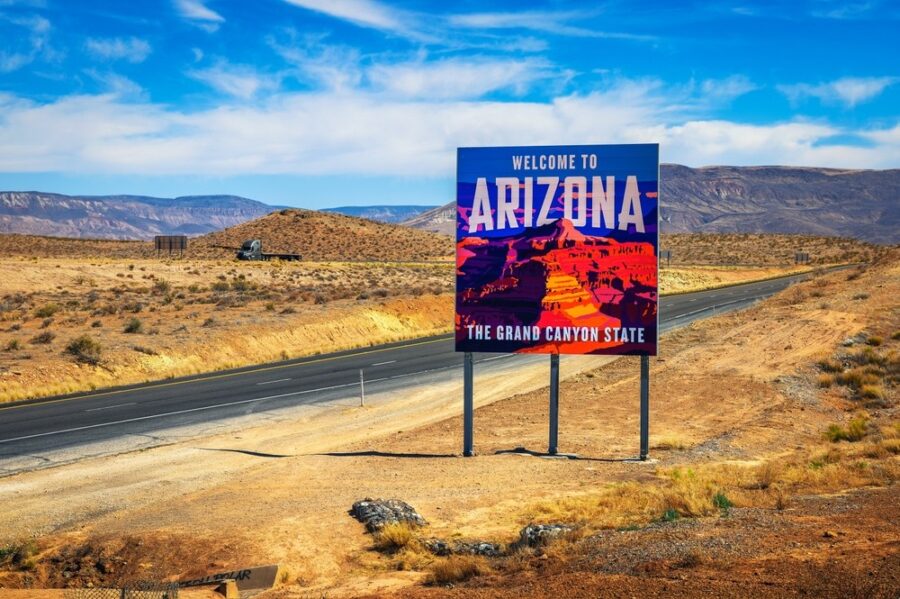
Global sweepstakes casino operator Virtual Gaming Worlds (VGW) has reportedly spent over US$200,000 on groups supporting the US state of Arizona Governor Katie Hobbs and Attorney General Kris Mayes despite the state sending the operator a cease-and-desist letter in 2024.
The letter targeted VGW’s casino brands, including Chumba Casino, Global Poker and Luckyland Slots, which state regulators claimed were offering illegal gambling to residents. The order, obtained by The Arizona Republic, said the brands were: “Hereby directed to immediately cease all online (or other) gambling operations and activities in Arizona.”

Despite being ordered to shut down its services, VGW allegedly continued operating and no charges have been brought against the operator.
More documents obtained by the publication found that state regulators neglected to make the allegations against VGW public despite sending similar cease-and-desist letters to other sweepstakes casino operators over the years, offering the same enforcement action.
According to The Fresno Bee, VGW has increased its campaign finance and lobbying efforts across the US over the years. In 2026, the company has spent over US$1 million on political donations, with six-figure sums going to both Democratic and Republican groups in Arizona ahead of the midterms.

VGW has also faced enforcement action in other states. Last month, the company agreed to pay a US$8 million settlement to the New York Attorney General’s Office, which had issued a cease-and-desist letter in June 2025 that led VGW to stop offering Sweeps Coins play in the state. VGW neither admitted nor denied wrongdoing. In December 2025, New York Governor Kathy Hochul signed a bill banning sweepstakes casinos in the state.
Back in Arizona, the Arizona Department of Gaming (ADG) did not directly answer why it had not made VGW’s case public, but added that all consumer complaints had been directed to the Attorney General’s Office.
The ADG also believes that VGW is operating illegally in the state and, in a 19 October statement, added that it “continues to evaluate enforcement options.”
Charlotte Capewell brings her passion for storytelling and expertise in writing, researching, and the gambling industry to every article she writes. Her specialties include the US gambling industry, regulator legislation, igaming, and more.

Dig Deeper
Related stories
 2026/09/10: New York cracks down on sweepstakes: VGW pays US$8 million for illegal gambling operation
 2025/04/09: Delaware issues cease-and-desist to VGW Holdings
 2025/03/18: Australian sweepstakes casino receives cease-and-desist letter from Maryland regulator
 2026/01/12: Iowa regulators to get new cease-and-desist powers in illegal gambling crackdown
2026/09/10: New York cracks down on sweepstakes: VGW pays US$8 million for illegal gambling operation
2025/04/09: Delaware issues cease-and-desist to VGW Holdings
2025/03/18: Australian sweepstakes casino receives cease-and-desist letter from Maryland regulator
2026/01/12: Iowa regulators to get new cease-and-desist powers in illegal gambling crackdown
The Backstory
Arizona scrutiny lands amid a wider enforcement push
Arizona’s handling of Virtual Gaming Worlds has become a test case for how aggressively states are willing to confront sweepstakes casino operators that operate in legal gray areas while maintaining political influence. The current dispute centers on a 2024 cease-and-desist letter from the Arizona Department of Gaming that told VGW to stop online gambling activity in the state, including through Chumba Casino, Global Poker and LuckyLand Slots.
The stakes are broader than one state order. VGW is among the most visible operators in a sweepstakes sector that has grown by offering casino-style games through dual-currency models. Players typically use one form of currency for entertainment and another that can be redeemed for cash or prizes. Operators have argued that this structure separates their platforms from regulated gambling. Regulators in multiple states increasingly disagree, saying the mechanics mirror casino wagering without the licensing, tax payments or consumer protections required of legal gambling businesses.
Arizona’s situation is politically sensitive because the company reportedly continued operating after the shutdown demand while giving substantial sums to groups supporting Gov. Katie Hobbs and Attorney General Kris Mayes. No charges have been filed. The state gaming department has said it still believes VGW is operating illegally and is evaluating enforcement options, but it has not fully explained why the case was not publicized in the same way as other sweepstakes actions.
New York turned warnings into an $8 million settlement
The clearest sign of the regulatory direction came in New York, where Attorney General Letitia James secured an $8 million resolution with VGW after accusing the company of illegal gambling. The state had sent a cease-and-desist letter in June 2025 and later said VGW’s sweepstakes brands, including Chumba Casino, Global Poker and LuckyLand Slots, were unlawfully available to New Yorkers.
The New York action followed a legislative move that removed much of the ambiguity. Gov. Kathy Hochul signed Senate Bill 5935 in December, banning sweepstakes casinos in the state. That law gave regulators a firmer basis to pursue operators that relied on promotional sweepstakes arguments. VGW neither admitted nor denied wrongdoing, but the settlement established a financial benchmark for other states weighing enforcement.
New York’s case also challenged the industry’s core legal defense. Regulators said VGW’s coins were not simply free promotional entries because users could obtain them through purchases made on the platform. That finding went to the heart of the sweepstakes model: whether casino-style play tied to purchasable digital currency and prize redemption amounts to gambling. For Arizona, the New York settlement raises a practical question. If one of the largest states could extract a multimillion-dollar payment and force operational changes, pressure grows on other jurisdictions to explain delays or limited follow-through.
VGW had already begun reducing exposure in parts of North America, including plans to close LuckyLand Slots in the region. The company’s retreat did not end scrutiny. Instead, it showed that enforcement risk has become material enough to affect business decisions at the brand level.
Cease-and-desist letters became the first line of attack
Before settlements and lawsuits, many states relied on cease-and-desist letters to put operators on notice. That is the same tool Arizona used in 2024. It has also been deployed in other states against VGW and similar companies, creating a paper trail that regulators can later use to show operators were warned.
In Delaware, gaming officials said VGW LuckyLand had operated illegally by offering social casino games that allowed players to win real-cash awards after purchasing digital currency. The state said the conduct violated multiple laws, including the Delaware Constitution, the Delaware Penal Code and the Delaware Gaming Competitiveness Act of 2012. The regulator also warned that unregulated gaming could expose residents to limited withdrawal options, cybercrime, identity theft and fraud. The Delaware cease-and-desist against VGW framed the issue not only as gambling enforcement but as consumer protection and revenue protection.
Maryland followed a similar path. Its regulator told Virtual Gaming Worlds that the only online gaming permitted in the state was mobile sports wagering and online fantasy competitions. The Maryland order to Virtual Gaming Worlds asked the company either to explain why its products were lawful or to stop offering casino games, sports wagering or fantasy competitions in the state within 10 days. The letter also warned that failure to respond could complicate any future effort to obtain a gambling license.
Those letters show how regulators are trying to preserve leverage. A cease-and-desist notice can serve as a low-cost first step, but its effect depends on follow-through. Arizona’s controversy turns on that gap. If an operator receives a shutdown demand but keeps operating without public action, critics may question whether the deterrent is meaningful.
States are moving from advisories to broader powers
The sweepstakes crackdown is also pushing lawmakers to expand regulators’ authority. Iowa offers a useful example. The state’s Department of Inspections, Appeals, and Licensing has proposed legislation that would allow the Iowa Racing and Gaming Commission to issue cease-and-desist letters to illegal igaming sites. Until now, the commission has leaned more heavily on public warnings and consumer advisories.
The Iowa proposal to expand cease-and-desist powers targets three categories: fraudulent sites that mimic legal casino brands, offshore unlicensed sports betting platforms and sweepstakes-style gaming sites that allow cashouts, including in cryptocurrency. Regulators cited complaints from players who said they faced delayed or unsuccessful withdrawals. That focus mirrors concerns in Delaware and other states that unregulated operators can leave consumers with limited remedies.
Iowa’s bill would not automatically ban sweepstakes casinos. Its importance lies in the enforcement architecture. Regulators want authority to intervene earlier, before consumer complaints accumulate or operators become entrenched. The approach suggests states are learning from cases in which warnings alone did not stop activity.
That shift matters for Arizona. If more legislatures give gaming agencies explicit cease-and-desist power and back it with penalties, operators may find it harder to argue that sweepstakes gaming is beyond gambling regulators’ reach. It also increases pressure on states that already issued letters to show what happened next.
Florida escalated the fight into court
Some states are moving beyond administrative warnings. Florida Attorney General James Uthmeier has sued several online sweepstakes casino operators, including companies tied to Stake and VGW brands Chumba Casino, LuckyLand and Global Poker. The Florida lawsuits against sweepstakes operators argue that dual-currency platforms are unlawful online gambling businesses under state law.
Florida’s complaints focus on the same mechanics at issue elsewhere: users buy one type of digital currency and receive another that can be redeemed for cash, gift cards or cryptocurrency. The attorney general’s office argues that if a platform looks like a casino, accepts real money and pays out value, it should be treated as a casino. Because online casino gambling is prohibited in Florida, the state is seeking injunctions, restitution, civil penalties and recovery of proceeds.
The Florida cases also widen the target list by naming payment processors that allegedly facilitated transactions. That strategy could prove significant. If states pressure financial intermediaries, sweepstakes operators may face operational constraints even before a final ruling. It also raises the compliance risk for vendors that service platforms without state gambling licenses.
Florida’s emphasis on marketing, including celebrity and influencer promotions, adds another layer. States are no longer examining only game mechanics. They are also asking whether promotional campaigns misled consumers or reached vulnerable groups such as minors and seniors. That broader consumer-protection framing gives attorneys general more tools than gambling statutes alone.
Political spending raises the stakes for enforcement credibility
VGW’s reported political spending in Arizona comes at a moment when regulators nationwide are treating sweepstakes casinos as a priority. The company’s donations do not by themselves prove improper influence. But they complicate the public narrative when an operator accused of illegal gambling has received a shutdown order, allegedly continued doing business and faced no public charges.
The contrast with New York, Delaware, Maryland, Iowa and Florida is sharp. New York produced a settlement. Delaware and Maryland publicized enforcement letters. Iowa is seeking new powers. Florida is litigating. Arizona, by comparison, is now under scrutiny for what regulators did after issuing their own order and why the matter remained largely out of public view.
For the sweepstakes industry, the cumulative effect is a shrinking margin for ambiguity. Operators that built national businesses around state-by-state legal interpretations now face a patchwork of bans, settlements, cease-and-desist orders and lawsuits. For regulators, the challenge is consistency. If agencies say these platforms are illegal but allow them to operate for extended periods, enforcement credibility erodes.
Arizona’s next steps could therefore carry weight beyond its borders. A forceful action would align the state with the national crackdown. Continued delay would give operators and critics alike a new example of the uneven enforcement environment that has allowed sweepstakes casinos to grow.
