


Florida AG sues sweepstakes operators over alleged illegal gambling

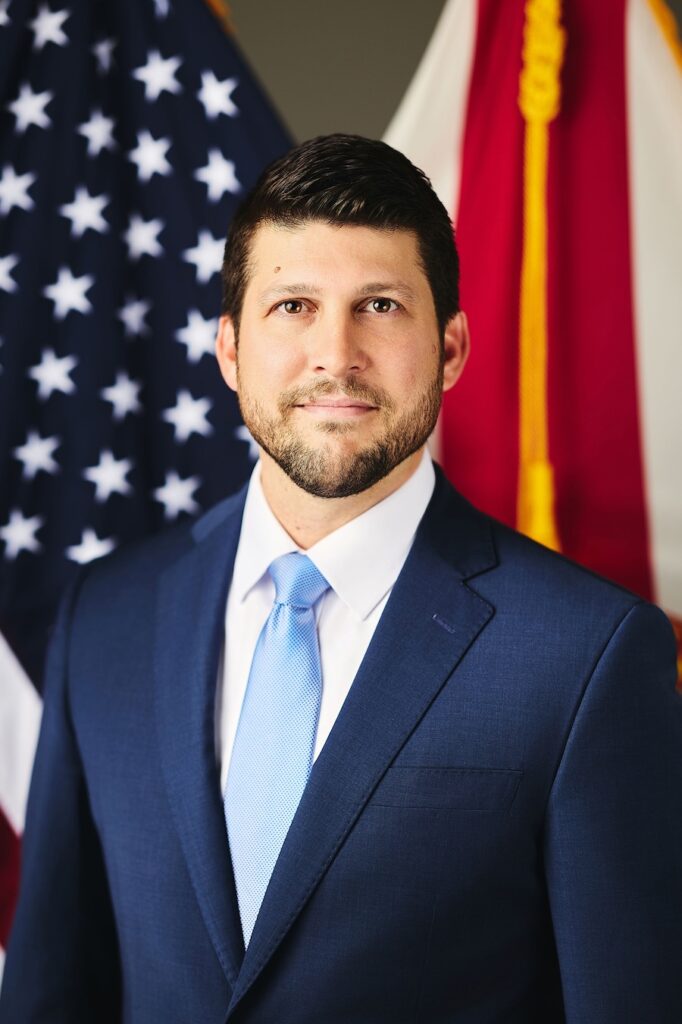
Florida Attorney General James Uthmeier has taken legal action against several online sweepstakes casino operators, arguing that their platforms are running unlawful online gambling operations under state law.
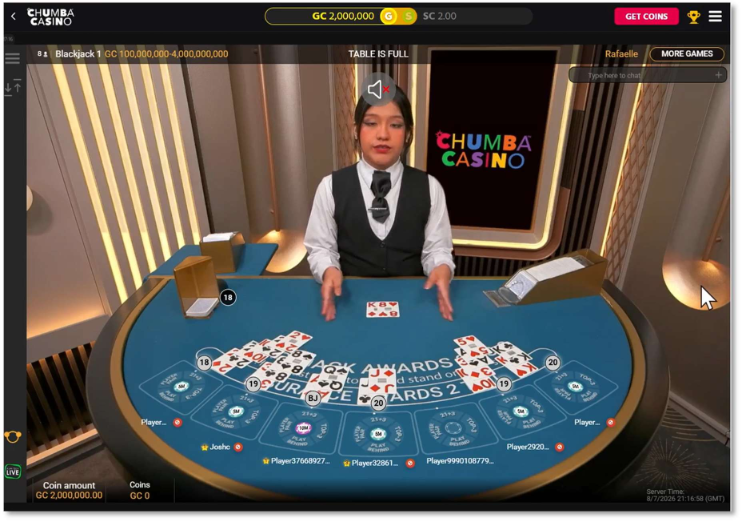
Two lawsuits filed in Hillsborough County Circuit Court target online sweepstakes casino operators like Stake and VGW, which run sweepstakes platforms Chumba Casino, LuckyLand, and Global Poker. The claims also name payment processors that allegedly facilitated transactions for the platforms.

The sites, which market themselves as “social” or “free” platforms, offer casino games such as slots and table games like poker, roulette and blackjack.
The lawsuits focus on the casinos’ dual-currency systems through which players can buy “Gold Coins”, which come with either “Stake Cash” or “Sweeps Coins” that can be redeemed for cash, gift cards, or cryptocurrency.
The Attorney General argues that this structure amounts to gambling, saying, “If it looks like a casino, takes real money like a casino, and pays out like a casino, it is a casino, and it is illegal under Florida law. These companies have been preying on Floridians, including minors and seniors, with deceptive marketing, and 24/7 access, while dodging our state’s licensing, taxation, and consumer-protection requirements.”

Online casino gambling is currently prohibited in Florida, and the lawsuits seek permanent injunctions to stop the defendants from operating or seeking customers in the state. They allege violations of the state’s gambling laws and the Florida Deceptive and Unfair Trade Practices Act.
The lawsuits also challenge the operators’ marketing practices, claiming that they used celebrity and influencer campaigns to promote winnings and attract customers.
In addition, the state is aiming to recover money lost by Florida consumers, along with the alleged proceeds from their activities, civil penalties, restitution and attorneys’ fees.

The lawsuits add to growing regulatory scrutiny of the sweepstakes casino sector, with several US states, including Kentucky, Iowa and Oklahoma, filing lawsuits against sweepstakes operators.

Dig Deeper
Related stories
 2025/08/01: American Gaming Association study: Patrons consider sweepstakes to be gambling
 2025/09/03: Legal case filed against Stake.us in California court over sweepstakes model
 2025/06/09: New York Attorney General halts 26 sweepstakes operations in the state
 2025/10/28: Missouri lawsuit targets Stake.us alongside Drake and Adin Ross
2025/08/01: American Gaming Association study: Patrons consider sweepstakes to be gambling
2025/09/03: Legal case filed against Stake.us in California court over sweepstakes model
2025/06/09: New York Attorney General halts 26 sweepstakes operations in the state
2025/10/28: Missouri lawsuit targets Stake.us alongside Drake and Adin Ross
The Backstory
Florida moves from warnings to courtroom action
Florida’s lawsuits against sweepstakes casino operators mark an escalation in a state that already has drawn a hard line around online gambling. The complaints filed by Attorney General James Uthmeier target platforms including Stake and VGW brands Chumba Casino, LuckyLand and Global Poker, along with payment processors accused of helping move customer funds. The state’s core argument is straightforward: sites that offer casino-style games, accept money and allow customers to redeem winnings for cash or cash equivalents are operating as unlicensed gambling businesses.
The lawsuits follow months of intensifying pressure on unlicensed online gambling in Florida. Earlier this year, the Florida Gaming Control Commission sent cease-and-desist letters to offshore bookmakers and casinos, including Bovada, BetUS and MyBookie, saying they were illegally serving residents. That action reinforced the state’s view that online gambling is limited to narrow channels, with Hard Rock Bet the only legal online gambling platform available to Floridians. The commission’s earlier cease-and-desist campaign against illegal online gaming operators set the enforcement backdrop for the attorney general’s broader civil claims.
The new cases also show how sweepstakes casinos have become a distinct regulatory target. Unlike offshore sportsbooks that plainly offer wagers, sweepstakes operators say they provide social casino entertainment through virtual currencies. Florida’s complaints challenge that distinction, focusing on dual-currency models in which users buy one type of coin and receive another that can be redeemed for money, prizes or cryptocurrency. If courts accept the state’s theory, the sweepstakes label may offer little protection when the product functions like online slots, poker, blackjack or roulette.
The dual-currency model becomes the legal fault line
At the center of the sweepstakes debate is a product design that operators say keeps them outside gambling law. Customers typically buy virtual coins used for entertainment and receive sweepstakes coins or similar credits that can be used in casino-style games and later redeemed. Operators frame the redeemable currency as promotional, not a stake. Regulators and plaintiffs increasingly argue the system is a workaround that preserves the economic substance of gambling while avoiding licensing, tax and consumer-protection rules.
That dispute has appeared in multiple jurisdictions. In California, the Los Angeles City Attorney filed a case against Sweepstakes Ltd., the operator of Stake.us, alleging the site used sweepstakes mechanics to run an illegal online casino. The complaint said Stake.us was designed to avoid California’s anti-gambling laws while offering redeemable virtual currency tied closely to U.S. dollars. The case sought to stop the operator’s sweepstakes activity and recover player losses. The California case against Stake.us over its sweepstakes model sharpened the legal argument now echoed in Florida: calling a currency “free” does not necessarily make the wagering lawful if it carries real-world value.
Florida’s complaints extend that reasoning to a wider set of defendants and place payment processors in the frame. That matters because enforcement agencies often struggle to reach online operators with complex corporate structures or overseas ties. By targeting financial intermediaries, the state is trying to disrupt the infrastructure that allows players to fund accounts and redeem prizes. The approach mirrors broader efforts against offshore gambling, where regulators have looked beyond the gambling site itself to marketing affiliates, payment channels and vendors.
Consumer perception undercuts the social-casino defense
The industry’s legal risk has grown as opponents gather evidence that users see sweepstakes casinos as gambling, not casual entertainment. An American Gaming Association study found that 90% of sweepstakes casino players considered the activity gambling. The survey also found that many players spend money regularly and that monthly sweepstakes casino participation is higher in states without bans. Those findings support the argument made by regulators: consumer behavior, not just legal phrasing in terms and conditions, should guide how the products are treated.
The AGA has used the data to press lawmakers and enforcement agencies to close what it sees as a loophole. Its study said 69% of respondents described sweepstakes casinos as places to wager real money and 80% of sweepstakes players spent money monthly. The findings in the AGA study on how patrons view sweepstakes casinos bolster state claims that players are not primarily buying valueless entertainment coins. They are pursuing redeemable credits through games that resemble regulated casino products.
That perception matters in Florida because the lawsuits allege deceptive and unfair practices, not only illegal gambling. The state is challenging celebrity and influencer campaigns that promoted winnings and drew consumers to platforms available around the clock. It also alleges harm to minors, seniors and other vulnerable users. If the cases proceed, Florida may attempt to show that the marketing and platform design encouraged consumers to understand the sites as casinos while operators publicly denied being in the gambling business.
Influencers and advertising widen the liability circle
Marketing has become a key battleground because sweepstakes casinos have relied heavily on digital advertising, livestreams and social media promotions. Regulators and private plaintiffs argue that these campaigns can obscure the difference between legal, licensed gambling and unregulated platforms. The issue is especially sensitive when influencers show large wins or high-stakes play without clearly explaining whether they are using their own money, promotional balances or funds supplied by the operator.
A Missouri lawsuit against Stake.us illustrates how the liability theory is expanding. The complaint, filed in Jackson County Circuit Court, accused Stake.us of targeting Missouri residents with an illegal online casino and named rapper Drake and streamer Adin Ross over their promotional activity. The plaintiff alleged the promotions misled viewers about the source of gambling funds, citing reports that celebrities or influencers received house money. The Missouri lawsuit involving Stake.us, Drake and Adin Ross shows how plaintiffs are tying platform design, advertising and celebrity endorsements into a single theory of consumer deception.
Florida’s lawsuits do not exist in isolation from that broader concern. The attorney general’s complaints emphasize marketing practices and seek restitution, penalties and recovery of alleged proceeds. That combination raises the stakes for operators because exposure may not be limited to shutting down access in one state. It could include clawbacks tied to consumer losses, advertising claims and alleged violations of unfair trade practices laws.
New York adds legislative and enforcement pressure
New York has taken one of the most aggressive public stances against sweepstakes casinos, adding both enforcement and proposed legislation to the national trend. Attorney General Letitia James said her office sent cease-and-desist letters to 26 online sweepstakes casinos operating in the state, saying the sites mimic online casinos while using virtual coins that can be bought and exchanged for cash prizes. Her office said the model exposed consumers to financial harm and potential addiction risk.
The action came alongside a legislative push by Sen. Joseph Addabbo to ban sweepstakes casinos in New York. His bill, SB S5935A, would further clarify the state’s position by targeting the sweepstakes structure directly. The attorney general’s office also announced the enforcement action through a public release, saying it had stopped illegal online sweepstakes casinos from operating in the state. The episode, covered in the report on New York halting 26 sweepstakes casino operations, reflects a two-track strategy: pressure operators to leave immediately while lawmakers consider a clearer statutory ban.
That model may influence other states. Cease-and-desist letters can be faster than litigation, but lawsuits can create precedent and recover money. Legislation can remove ambiguity before more operators enter the market. Florida’s choice to sue suggests the state wants judicial findings that the sweepstakes structure itself violates gambling and consumer-protection laws, rather than relying only on administrative warnings.
A fragmented crackdown with national consequences
The sweepstakes casino fight is unfolding state by state because U.S. gambling law remains fragmented. Some states allow regulated online casino gaming. Others permit sports betting but not internet casino games. Florida is among the states where online casino gambling is prohibited, making the presence of casino-style sweepstakes products especially contentious. Operators have expanded by arguing their promotions fit within sweepstakes law, but that position is now being tested in courts and by attorneys general.
The practical consequences could be significant. If Florida, California, Missouri or New York succeed, operators may have to withdraw from large markets, change their currency systems or seek licensing where available. Payment processors and advertising partners may also reassess their exposure. Regulated casino companies, meanwhile, have an incentive to support enforcement because sweepstakes platforms compete for the same customers without comparable taxes, licensing fees or responsible-gambling obligations.
For consumers, the stakes include whether they have access to complaint systems, age verification, responsible-gambling tools and state oversight. For states, the issue is control over gambling policy and tax revenue. Florida’s lawsuits place those questions squarely before the courts and add momentum to a national crackdown that has moved from warnings and studies to coordinated legal action.
