


Michigan Gaming Control Board partners with Gamban

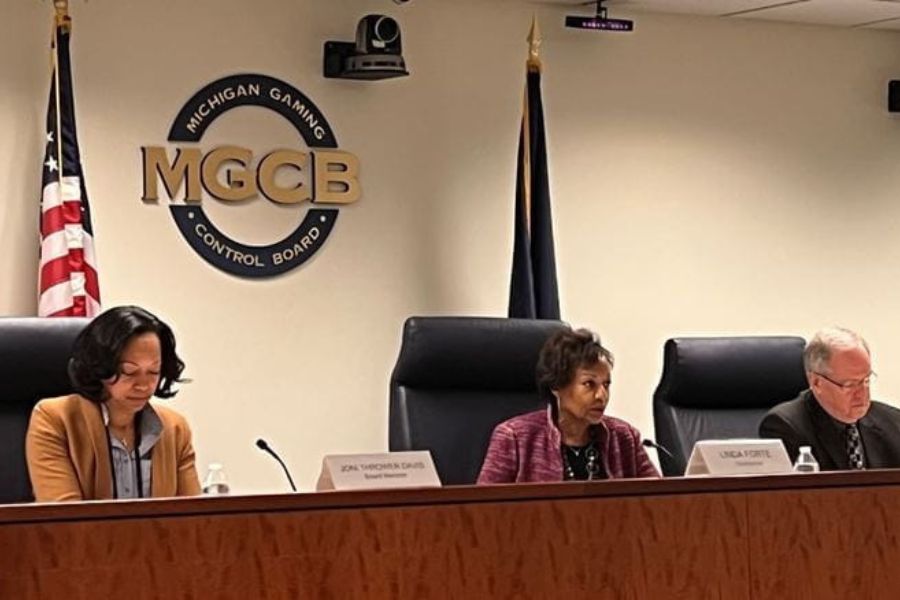
Michigan Gaming Control Board has partnered with gambling blocking app Gamban in an effort to promote responsible gambling.
The initiative allows any Michigan resident to claim a Gamban license at no cost, with access ranging from one to five years.

The program does not require enrollment in a self-exclusion scheme, though individuals listed on the state’s Responsible Gaming Database or Disassociated Persons List are encouraged to participate.
Gamban’s software blocks gambling websites and applications across operating systems like Android, iOS, Windows, and macOS. It restricts access to a broad range of gambling content, covering both licensed and unregulated sites. The Gamban app was also recently translated into Japanese.
Data from the National Council on Problem Gambling highlights that around 2% of US adults, or six million individuals, meet the criteria for gambling addiction.

Michigan Gaming Control Board Executive Director Henry Williams said, “Michigan is committed to ensuring that the expansion of legal gaming comes with the strongest possible safeguards for our residents. Our partnership with Gamban gives anyone who wants help a free, proven tool to block access to online gambling – instantly and across all their devices.”
Matt Zarb-Cousin, Director of External Affairs at Gamban, added, “We are delighted to partner with the Michigan Gaming Control Board to make Gamban free for people where cost might otherwise be a barrier. When someone takes the first step toward quitting gambling, they will be made aware of all the services available in the state via the Gamban app, while it works to block gambling sites and apps in the background. This approach has improved overall rates of abstinence and recovery in other jurisdictions.”
Charlotte Capewell brings her passion for storytelling and expertise in writing, researching, and the gambling industry to every article she writes. Her specialties include the US gambling industry, regulator legislation, igaming, and more.

Dig Deeper
Related stories



The Backstory
Why Michigan is adding another safeguard now
Michigan’s decision to make a gambling-blocking app free to residents fits a clear arc: the regulator has spent the past year tightening controls on illegal online operators while trying to steer bettors to a safer, licensed market. The Michigan Gaming Control Board’s partnership with Gamban, which blocks gambling sites and apps across devices, arrives after a steady cadence of enforcement actions and public warnings. The agency has argued that unlicensed platforms expose players to data risks, arbitrary withdrawals and no route for dispute resolution. Pairing hard-edged enforcement with an off-ramp for people who want to stop gambling extends that strategy from deterrence to prevention.
Executive Director Henry Williams has framed the push as consumer protection first and foremost. The agency’s message has been consistent: legal gambling comes with oversight and guardrails, illegal sites do not. The Gamban offer, free for up to five years and open to anyone in the state without requiring a formal self-exclusion, is meant to remove cost and stigma barriers that can slow a person’s first step toward quitting. It also complements existing self-exclusion lists by giving immediate, device-level friction to curb impulse play.
The move also lands as online options proliferate. Michigan expanded its legal market with new entrants while many offshore operators continued to target residents. The regulator has tried to reduce that fray with cease-and-desist orders and public education. A free, proven blocking tool layers in personal agency at the user level while the state pressures bad actors from the top down.
Escalation against illegal operators set the stage
The partnership follows a string of actions against unlicensed sites. In one broad sweep, the board issued cease-and-desist orders to 11 illegal online gambling operators, warning that the sites were accepting Michigan wagers without authorization and exposing players to unfair terms and data vulnerabilities. The operators, some offshore and others operating from undisclosed or domestic locations, were given 14 days to comply or face further action with the Attorney General’s Office. The message was unambiguous: Michigan would not tolerate unauthorized gambling.
The board has consistently paired these moves with reminders to use licensed platforms. It underscored the consumer risks of unregulated operators that accept credit cards, digital wallets or cryptocurrency but are not bound by state data and fund protection standards. By detailing tactics like withholding winnings or imposing unrealistic wagering requirements, regulators built a public record to justify stronger interventions and tools like Gamban that help residents cut off access altogether.
Offshore brands in the crosshairs
Michigan has also targeted well-known offshore sportsbooks and casinos. The board ordered Panama-based SportsBetting.ag and BetOnline to halt operations in the state after an investigation found unauthorized wagering on sports, horse racing, casino games and politics, plus cash-back incentives. The sites accepted real-money bets via credit cards, wires and crypto without Michigan licenses, violating state gambling laws. Both were given 14 days to stop or face further legal steps.
In a separate action, the regulator sent 12 cease-and-desist letters to offshore sites including 31 Bets Casino, Betnuvo, BetPhoenix, MyBitcoin Casino and Vegas Strip Casino. The board said the platforms were targeting Michigan residents with illegal online casino and sports betting products. The notices emphasized that only operators licensed under the state’s internet gaming and sports betting laws can do business in Michigan. The same week, the state welcomed a new licensed entrant as Hard Rock Bet launched online casino and sportsbook via Island Resort & Casino, underscoring the contrast between vetted operators and offshore brands.
The crackdown extended to long-running offshore names. Costa Rica-based BetUS was ordered to cease taking Michigan wagers after investigators confirmed the site accepted bets on sports and casino games from residents. The board cited violations of the Lawful Internet Gaming Act, the Gaming Control and Revenue Act and the Michigan Penal Code. BetUS was given 14 days to comply, with the board warning of additional action if it did not.
Building a case through visibility and coordination
Michigan has used conferences and public forums to spotlight its enforcement playbook. At the North American Gaming Regulators Association meeting in June, the board highlighted a case study on tackling illegal and offshore markets. The Criminal Investigations Section described using anonymous tip lines, interagency ties, direct enforcement and awareness campaigns to disrupt illegal operations. The board said it has issued nearly 100 cease-and-desist letters to date and emphasized that visibility is part of the deterrent. Williams received the 2025 Excellence in Gaming Award at the event, a signal of how other regulators view Michigan’s approach.
This outward communication serves two goals. It warns offshore sites that the state is actively monitoring and willing to move. It also educates bettors about safer choices and the existence of tools like Gamban. By bringing investigative tactics into public view, the board has tried to shift behavior on both sides of the market: reduce supply of illegal options and reduce demand for them.
Consumer risk calculus drove the policy mix
The agency’s messaging has centered on data protection, fair play and recoverability of funds. In enforcement notices, the board has spelled out the risks of giving personal and financial information to unlicensed operators, including exposure to breaches, identity theft and cybercrime. It has warned that dispute resolution and withdrawal protections common in the regulated market do not exist offshore. Those specifics help justify interventions that blend punitive actions with harm-reduction tools.
The Gamban program’s design reflects that calculus. It is voluntary, immediate and device-agnostic, and it works in the background without requiring a formal self-exclusion. People already on the state’s Responsible Gaming Database or Disassociated Persons List are encouraged to use it, but the barrier to entry is purposefully low. That makes the tool a complement to enforcement, not a substitute. As the market grows and illegal operators adapt, the state is giving residents a way to reduce exposure on their own terms while regulators keep pushing offenders out of the market.
What to watch next
Expect Michigan to sustain its two-track approach: more cease-and-desist orders and public pressure on offshore operators alongside broader access to protective tools. The regulator’s recent cadence suggests continued coordination with the Attorney General and more warnings to residents to use licensed sites. The launch of new legal platforms like Hard Rock Bet shows the market is still adding choices within the rules, which may make it easier for the board to argue that safe alternatives exist.
The question now is whether free access to blocking software will change outcomes on the ground. If uptake is strong, Michigan could point to decreases in play on illegal sites or fewer consumer complaints as evidence the approach works. If offshore operators continue to draw traffic, the state may look to expand education or tighten technical measures. Either way, the Gamban partnership is a logical next step in a campaign that has paired visible enforcement with practical tools to reduce harm.
