


Sri Lanka blocks bet365 and 23 other online betting sites

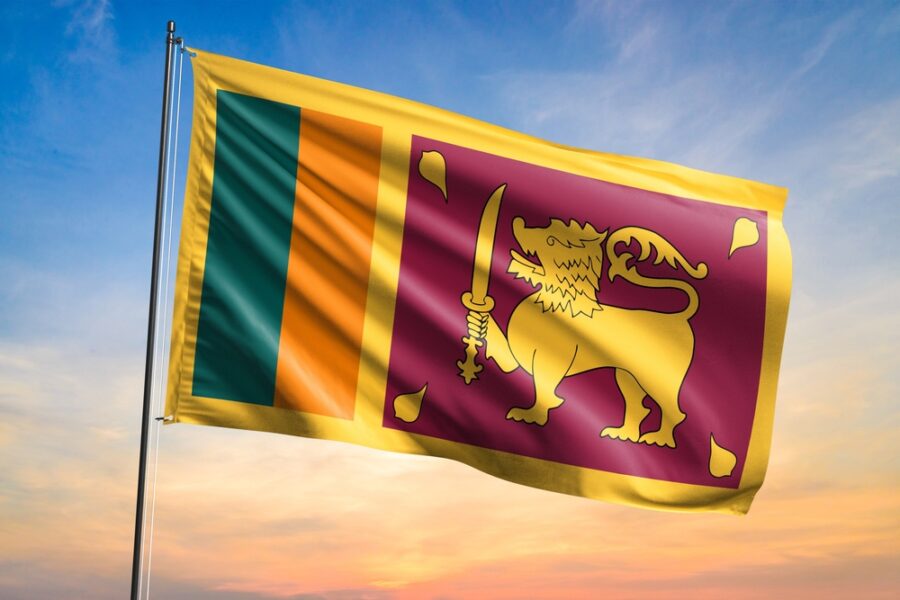
The Sri Lankan government has ordered the blocking of 24 online gambling websites, including the global betting brand bet365, as part of a crackdown on operators operating illegally and offering services without the appropriate gambling licenses.
The ban was issued by the Gambling Regulatory Authority, which functions under the Ministry of Finance, Planning and Economic Development, using powers granted by the Gambling Regulatory Authority Act.

The Telecommunications Regulatory Commission of Sri Lanka (TRCSL) has ordered internet service providers in Sri Lanka to restrict access to the 24 listed platforms with immediate effect.
In addition to bet365, other international betting brands like 1xBet, 1Win, 22Bet, Betfair, Betway, Dafabet, Melbet, Stake, and Unibet are among the blocked websites.
Under Sri Lanka’s gambling laws, operators must obtain approval from regulators before offering their services in the country. The legislation also prohibits promoting unlicensed gambling platforms, with violations subject to penalties under Section 44 of the Act.

The Ministry of Finance, Planning, and Economic Development has advised individuals against using or investing money in unregulated platforms. “All telecom service providers have been ordered to implement the ban with immediate effect,” it had said in a statement.
This comes as Sri Lanka’s gambling regulators continue to develop the framework needed to fully implement the Gambling Regulatory Authority Act. Regulations, initially expected by the end of June this year, are now reportedly due in October, with officials still reviewing rules on licensing, online gambling, and anti-money laundering.
Charlotte Capewell brings her passion for storytelling and expertise in writing, researching, and the gambling industry to every article she writes. Her specialties include the US gambling industry, regulator legislation, igaming, and more.

Dig Deeper
Related stories
 2026/06/08: China and Sri Lanka expand cooperation against igaming
 2026/07/20: Sri Lanka authorities unsure how to enforce igaming regulation, new rules still under debate
 2026/06/19: Sri Lanka MP raises questions over rise of unlicensed igaming platforms
 2025/10/22: Sri Lanka to establish Gambling Regulatory Authority by June 2026
2026/06/08: China and Sri Lanka expand cooperation against igaming
2026/07/20: Sri Lanka authorities unsure how to enforce igaming regulation, new rules still under debate
2026/06/19: Sri Lanka MP raises questions over rise of unlicensed igaming platforms
2025/10/22: Sri Lanka to establish Gambling Regulatory Authority by June 2026
The Backstory
Crackdown follows a widening regulatory gap
Sri Lanka’s move to block bet365 and 23 other online betting sites marks the government’s most visible enforcement action yet against a market that officials have described for months as large, fast-moving and largely outside the reach of existing controls. The order, issued through the Gambling Regulatory Authority and implemented by the Telecommunications Regulatory Commission of Sri Lanka, comes after lawmakers repeatedly warned that offshore platforms were building audiences in the country before a complete licensing and enforcement framework was in place.
The immediate action targets access to unlicensed gambling websites, but the underlying issue is broader. Sri Lanka has been trying to shift from a patchwork of legacy gambling laws toward a centralized regulatory system capable of supervising casinos, sports betting, online gaming, advertising, payments and tax compliance. That transition has been slower than planned. As the online market expanded, regulators were left trying to act against operators that had no local license, often no domestic banking footprint and limited physical presence in the country.
That tension explains why the blocking order carries significance beyond the named brands. It signals that authorities are prepared to use telecommunications controls while the licensing regime is still being finalized. It also reflects concern that a delay in formal regulation has allowed offshore operators, affiliate marketers and possible scam networks to reach Sri Lankan consumers without clear accountability.
Parliamentary pressure pushed enforcement higher
The current crackdown follows weeks of public pressure from Harsha de Silva, chairman of the Parliamentary Committee on Public Finance, who questioned how online betting promotions could appear so openly if no online casino operators had been registered. In a June hearing, de Silva said platforms were advertising during cricket coverage and, in some cases, appearing to present themselves as licensed while using Sri Lankan government imagery. His criticism was detailed in coverage of how the Sri Lankan MP raised questions over the rise of unlicensed igaming platforms.
De Silva’s intervention framed the matter as both a regulatory failure and a revenue problem. If operators were taking bets from Sri Lankan players without licenses, officials could not reliably collect levies, monitor consumer protections or enforce limits on promotion. The concern was sharpened by the visibility of gambling ads during cricket, the country’s dominant sport and a high-value channel for betting operators seeking mass-market reach.
The Committee on Public Finance also pressed officials to explain how licensing claims were being made in advertisements when the Inland Revenue Department had not registered online casino operators. That gap between public marketing and official records became a central issue. It suggested either confusion among consumers, weak advertising oversight or deliberate attempts by unlicensed platforms to imply official approval. The blocking of high-profile offshore brands is a direct response to that political pressure, even as officials continue to build the machinery needed for sustained supervision.
Regulator timeline slipped as online activity grew
Sri Lanka had already set a target to make the Gambling Regulatory Authority fully operational by June 2026, with the Treasury and Inland Revenue Department expected to move the process forward under anti-money laundering and counter-terrorism financing standards. The plan was presented as a way to close a major gap in oversight, particularly online gambling, after officials estimated that 60% to 70% of gaming activity was taking place on foreign websites. Those plans were outlined when Sri Lanka said it would establish the Gambling Regulatory Authority by June 2026.
The intended framework was supposed to define licensing rules, operating conditions, penalties and enforcement powers. It also contemplated a seven-member board, including representatives from the Treasury, Inland Revenue, the Financial Intelligence Unit and police, plus ministerial appointees. The design reflected the government’s view that gambling regulation is not only a consumer protection matter, but also a fiscal, financial crime and law enforcement issue.
But the timeline became a point of dispute when officials later told lawmakers that regulations would not be ready by the June deadline. Reporting on how Sri Lankan authorities were unsure how to enforce igaming regulation showed that draft rules remained under review and were expected to move later in 2026. The delay raised practical questions: how to stop unlicensed websites, how to police ads, how to handle cryptocurrency payments and how to take action when operators do not process transactions through formal banks.
That uncertainty gave the latest blocking order its urgency. Website restrictions are a blunt instrument, but they are one of the few tools available before a comprehensive licensing system is operating. The government’s decision suggests it is unwilling to wait for final regulations before acting against platforms it considers unauthorized.
Tax policy added pressure to formalize the market
The enforcement push also sits within a wider fiscal agenda. Sri Lanka has sought to increase revenue from gambling as part of broader efforts to strengthen public finances. The Cabinet approved amendments to the Betting and Gaming Levy Act after the attorney general cleared a draft bill, including a proposed increase in the levy on gross gaming turnover from 15% to 18% and a doubling of the casino entry fee for locals from $50 to $100. Those measures were detailed when the Sri Lankan Cabinet backed gambling tax amendments.
Tax increases have limited effect if a large share of gambling activity takes place through offshore websites beyond the formal licensing net. That is why online betting has become such a sensitive policy issue. Land-based casino operators and licensed bookmakers can be identified, taxed and inspected. Offshore gambling platforms, by contrast, can target users through digital advertising, process deposits through alternative channels and operate without the same compliance costs.
Officials have said Sri Lanka has licensed operators in sports betting and horse racing and a small number of licensed casino operators. But they also acknowledged that no online casino operators had been registered with Inland Revenue. That distinction matters for both public revenue and market fairness. Licensed domestic businesses face levies and regulatory obligations, while unlicensed foreign platforms can compete for the same customers without contributing to the tax base or submitting to local oversight.
The blocking order therefore has an economic dimension. It is not only an attempt to shield consumers from unregulated operators, but also a step toward protecting future tax receipts under a regulated model. If Sri Lanka intends to raise gambling taxes while modernizing supervision, it must first establish that access to the market depends on authorization.
China-linked enforcement widened the crime focus
Sri Lanka’s gambling debate has also been shaped by cross-border criminal concerns. China and Sri Lanka recently expanded law enforcement cooperation against illegal igaming, fraud networks and related activity that authorities said had shifted from parts of Southeast Asia into Sri Lanka. The Chinese Embassy in Colombo said the operations were sometimes linked to human trafficking and other crimes, and praised cooperation among Sri Lankan finance, foreign affairs, public security, immigration and police agencies. The development was reported when China and Sri Lanka expanded cooperation against igaming.
That cooperation added a security layer to what had initially been framed largely as a licensing and tax issue. Chinese law bars citizens from operating or investing in foreign casinos and prohibits overseas gambling operators from targeting Chinese nationals. As Southeast Asian governments intensified action against scam compounds and illegal betting hubs, Sri Lanka faced concern that similar networks could seek new bases in the country.
Lawmakers have warned that regulatory delays could create opportunities for criminal groups to establish operations before controls are in place. The concern is not limited to consumer betting websites. It includes payment flows, recruitment, fraud, money laundering and the use of digital platforms to conceal beneficial ownership or cross-border control. By moving against unlicensed websites, Sri Lanka is trying to show that its market will not remain open by default while the regulatory framework is being finalized.
Blocking order tests what comes next
The central question now is whether the website bans become the first stage of a durable compliance system or remain a temporary response to political pressure. Blocking access can disrupt operators, but determined users may seek mirror sites, virtual private networks or alternative domains. Operators can also rebrand, shift affiliates or move payment channels. Effective enforcement will require coordination among the regulator, telecom providers, banks, payment processors, police, tax authorities and advertising platforms.
The pending regulations are expected to determine how Sri Lanka licenses online operators, handles anti-money laundering checks, polices advertising and imposes penalties. They will also need to clarify how offshore operators can lawfully enter the market, if at all, and what standards they must meet. Without those rules, enforcement may continue to rely on case-by-case restrictions.
For the gambling industry, the message is that Sri Lanka is moving from tolerance through ambiguity toward a more assertive stance. For consumers, the risk is that popular international betting sites may disappear or operate through less transparent channels if legal alternatives are not established. For the government, the stakes are fiscal credibility, consumer protection and control over a sector that has grown faster than the law designed to govern it.
