


Rhode Island attorney general sues Kalshi and Polymarket

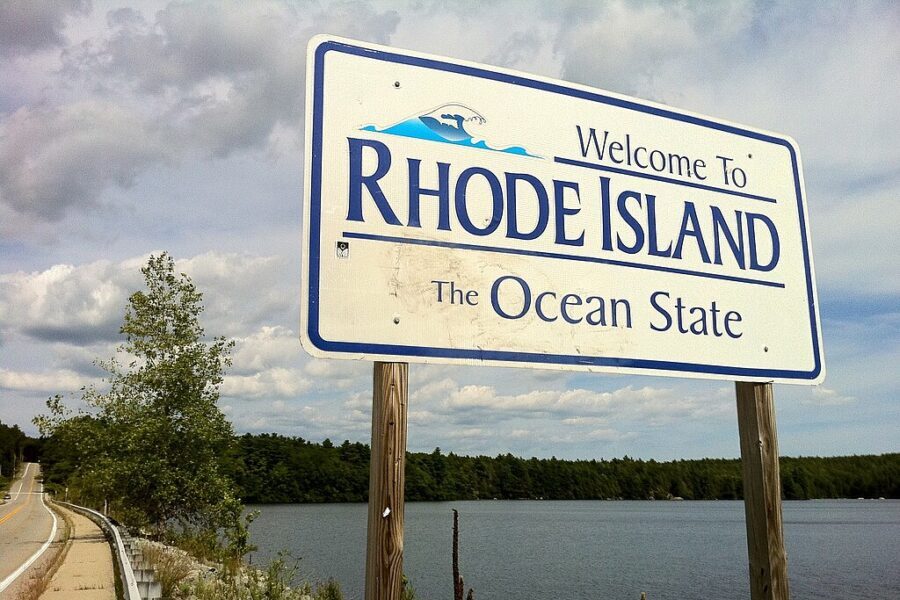
Rhode Island Attorney General Peter Neronha has sued Kalshi and Polymarket, escalating a legal dispute over whether the companies can offer contracts tied to sports outcomes in the state.
The legal action came hours after Kalshi filed its own lawsuit in federal court on 21 May seeking to block Rhode Island from restricting its operations.

The dispute follows an investigation launched by the state’s gaming regulator, the Rhode Island Lottery, this year into the growing use of prediction markets for sports-related trading.
Neronha argued that the event contracts offered by Kalshi and Polymarket function as sports betting and therefore violate state law, which permits sports wagering only through the state-authorized platform, Sportsbook RI.
“There is no substantive difference between sports betting and ‘events contracts’ in this context; Kalshi and Polymarket know that, and we know that,” Neronha said in a statement. “The problem here is that Rhode Island State law heavily regulates gambling, for good reason, and we allege that Kalshi and Polymarket are evading our laws.”

The lawsuit seeks a permanent injunction to prevent the companies from offering sports-event contracts in the state.
Kalshi contends that its contracts are federally regulated financial derivatives overseen by the Commodity Futures Trading Commission, rather than gambling products subject to state regulation.
Rhode Island isn’t the only state to sue prediction market platforms. States like Wisconsin and Arizona have sued, arguing that prediction markets facilitate illegal betting.
Charlotte Capewell brings her passion for storytelling and expertise in writing, researching, and the gambling industry to every article she writes. Her specialties include the US gambling industry, regulator legislation, igaming, and more.

Dig Deeper
Related stories
 2025/10/24: NHL signs multi-year deals with Kalshi and Polymarket
 2025/09/13: Massachusetts Attorney General sues Kalshi for illegal sports wagering operations
 2026/01/22: Native American tribes say prediction markets siphon tribal casino money
 2026/01/19: Polymarket hit with first lawsuit from Nevada gambling regulator
2025/10/24: NHL signs multi-year deals with Kalshi and Polymarket
2025/09/13: Massachusetts Attorney General sues Kalshi for illegal sports wagering operations
2026/01/22: Native American tribes say prediction markets siphon tribal casino money
2026/01/19: Polymarket hit with first lawsuit from Nevada gambling regulator
The Backstory
Why the fight over “event contracts” landed in Rhode Island
Rhode Island’s clash with prediction platforms arrives after months of state-level enforcement that reframed “event contracts” as sports betting by another name. Across the country, attorneys general have moved to block platforms that let users buy yes-or-no contracts on game outcomes, spreads or totals, arguing those wagers mirror sportsbook products and must follow state gambling laws. The legal theory is consistent: if a product quacks like a sportsbook, it should be licensed, taxed and constrained like one. Platforms counter that many contracts are federally regulated derivatives overseen by the Commodity Futures Trading Commission and therefore fall under financial, not gambling, rules. The standoff has widened into a test of federal versus state authority and where to draw lines between speculation, trading and wagering.
Massachusetts framed the playbook
In June, Massachusetts Attorney General Andrea Joy Campbell sued Kalshi in Suffolk Superior Court, alleging the company “unlawfully” promoted and accepted online sports wagers disguised as event contracts. The case describes moneyline, point-spread and over-under markets that closely resemble sportsbook menus and flags marketing on TV and social media and access via brokerage apps like Robinhood. The attorney general said Kalshi allows users ages 18 to 20 to bet even though the state’s legal online sports wagering age is 21, and that the platform lacks required responsible gaming tools such as compliant deposit limits. The complaint seeks to halt operations unless Kalshi obtains a sports wagering license.
The Massachusetts action, detailed in the AG’s lawsuit announcement and the filed complaint, sharpened the central question now reverberating in Rhode Island: are sports event contracts a financial product or sports betting under state law. The case also underscored public health concerns, with the AG arguing that platforms bypass consumer protections mandated for licensed sportsbooks. Campbell’s office has paired litigation with policy moves, including a youth sports betting safety coalition launched in March 2024.
Michigan and Washington widened the state pushback
Michigan followed with a lawsuit in Ingham County Circuit Court asking a judge to declare Kalshi a sports betting operator and permanently block operations in the state. The filing argues that under the Lawful Sports Betting Act only licensed commercial casinos and federally recognized tribal casinos can apply for sports betting licenses, and that Kalshi is operating without authority. The case emphasizes that sports-related contracts on the platform amount to unlicensed wagering regardless of broader event-trading menus. Michigan’s position is spelled out in the AG’s announcement and the complaint, which portrays a company attempting to sidestep consumer protections and oversight.
On the West Coast, Washington Attorney General Nick Brown sued Kalshi in King County Superior Court, asserting the platform violates state law that bans most gambling outside of sports betting on tribal lands. Brown’s office alleges more than 90% of platform activity is tied to sports contracts and cites betting tied to local college basketball and political races. The lawsuit seeks to immediately block operations and review financial activity tied to Washington users. The Washington filing builds on recent actions in other states and signals willingness to pursue injunctions even as the federal-versus-state jurisdiction fight remains unsettled.
New York trains its attention on crypto-linked venues
New York’s escalation came through a different door. Attorney General Letitia James sued Coinbase Financial Markets and Gemini Titan, alleging their event-based prediction markets constitute illegal gambling absent a state license. The office said the platforms repeatedly violated state law while avoiding gaming oversight by labeling markets as event contracts. Coinbase has linked arms with Kalshi to launch a prediction market, intensifying the jurisdictional friction with the CFTC’s remit that industry advocates cite. New York is seeking financial penalties, forfeiture of profits and damages, and wants platforms to obtain state licenses to operate.
The New York lawsuit widens the aperture beyond standalone prediction markets to exchanges and crypto-affiliated entities that enable similar trading. For Rhode Island regulators watching the space, the New York case underlines a core risk: if the route to sports-like wagers can be embedded in financial platforms, state gaming laws face a moving target.
A parallel policy debate over who runs Rhode Island’s sportsbooks
The legal fight over event contracts in Rhode Island coincides with a separate question about market structure. The state Senate passed Senate Bill 748, which would open the gambling market to outside bidders when the current contract ends next year, potentially allowing brands like DraftKings or FanDuel to compete. The House companion has not advanced out of committee. DraftKings, in a letter of support, argued the bill could let residents use familiar apps while increasing tax revenue. Current right holder IGT countered that the state might need to lower taxes to attract national operators, undermining fiscal gains, and said Rhode Island’s model already outperforms regional peers, as outlined in Senate testimony.
That tug-of-war matters for the present dispute. If Rhode Island maintains a tightly controlled, state-authorized sportsbook monopoly while prediction markets offer sports outcomes without a license, regulators see a threat both to consumer safeguards and to state revenue. If the legislature opens the market to competition, the licensing path for sports wagering could broaden, but any carve-out for event contracts would still need to reconcile with statutory definitions of gambling and derivatives.
The stakes: jurisdiction, consumer protections and future market design
Placed against this backdrop, Rhode Island’s action is part of a coordinated state trend pressing platforms to choose: obtain a sports wagering license or stop offering sports-related contracts. Massachusetts focused on consumer protection, age gating and product parity with sportsbooks. Michigan and Washington emphasized statutory prohibitions and licensing prerequisites. New York spotlighted crypto-linked distribution and tax obligations. Each state’s case adds pressure on platforms that claim federal derivatives oversight through the CFTC, increasing the likelihood that courts will be asked to draw clearer boundaries between permissible financial speculation and illegal wagering.
For operators, the outcome will shape product road maps and where they can acquire customers. For states, it tests the durability of gambling frameworks built around licensed sportsbooks and tribal compacts and whether those systems can adapt to financialized betting products that travel through brokerages and exchanges. And in Rhode Island, the enforcement push arrives just as lawmakers weigh whether to invite national sportsbook brands into the market. How courts sort the line between event contracts and sports betting will influence not only compliance costs and tax receipts, but also the competitive landscape residents see on their phones.
The question now is less whether states will act and more how they will coordinate. With multi-state lawsuits, policy coalitions and detailed complaints already on file in Massachusetts and Michigan, and with New York expanding the target set, Rhode Island’s case is positioned to be another venue where the next rules of digital wagering are written.
