


Pressure mounts on the Australian government over gambling ads


Calls for reform of online gambling advertising in Australia have intensified, with a statement from the Australian Medical Association calling for immediate action.
It highlighted what the Australian Medical Association described as “1,000 days of inaction” since a parliamentary report led by the late Peta Murphy recommended sweeping changes.

The Association urged the federal government to implement the report’s recommendations, which include tighter restrictions on gambling advertising, concluding that partial bans were ineffective and warning that continued exposure risked harming vulnerable groups, including children.
Gambling companies were also accused of taking advantage of the current regulations by increasing their promotional activity.
Figures cited by the Australian Medical Association claim that Australians lose AU$31.5 billion (US$21.9 billion)1 AUD = 0.6943 USD
2026-03-25Powered by CMG CurrenShift annually to gambling, which works out at AU$1,500 (US$1,041)1 AUD = 0.6943 USD
2026-03-25Powered by CMG CurrenShift per adult each year. The Association cited the broader health and social impacts of gambling, including financial stress and family breakdown.

This is not the first time that the Australian Medical Association has intervened in the debate.
In a parliamentary submission in 2022, the Association said that the expansion of online gambling has increased accessibility, raising the risk of harmful behaviour.
Despite the ongoing criticism, the government has not yet indicated when it will formally respond to the recommendations outlined in the Murphy report.

Earlier in the month, Australian MP Monique Ryan introduced a private member’s bill seeking to have gambling recognized as a public health issue.
Charlotte Capewell brings her passion for storytelling and expertise in writing, researching, and the gambling industry to every article she writes. Her specialties include the US gambling industry, regulator legislation, igaming, and more.

Dig Deeper
Related stories
 2026/07/16: Pennsylvania mulls tighter gambling laws, criticizing in-play bet incentives
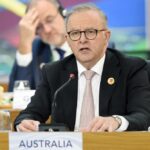 2026/04/02: Albanese unveils long-awaited gambling ad reforms
 2025/11/20: Australian government urged to follow through with gambling ad ban
 2026/05/12: Australian government accused of ‘burying’ gambling reform response on budget day
2026/07/16: Pennsylvania mulls tighter gambling laws, criticizing in-play bet incentives
2026/04/02: Albanese unveils long-awaited gambling ad reforms
2025/11/20: Australian government urged to follow through with gambling ad ban
2026/05/12: Australian government accused of ‘burying’ gambling reform response on budget day
The Backstory
Why the debate has reignited
Mounting criticism of Australia’s gambling advertising rules has reached a new pitch as health groups, athletes and crossbench lawmakers accuse the federal government of dragging its feet on long-promised reforms. The latest flare-up follows sustained calls from public health advocates who argue that partial restrictions have failed to curb exposure, particularly for children, and that wagering promotions are increasingly embedded in sports culture and digital viewing. The pressure campaign is colliding with competing political priorities and industry resistance, setting up a test of whether Canberra will deliver a sweeping response or opt for narrower fixes.
The Murphy blueprint and a long wait
The current standoff traces back to the bipartisan “You Win Some, You Lose More” inquiry led by the late Labor MP Peta Murphy, which recommended a phased path to a total gambling ad ban over three years. Nearly two years on, advocates say the plan has stalled as government deliberations stretch on and broadcasters, sports bodies and betting firms lobby against a hard stop. Critics argue that the longer the delay, the deeper the normalization of gambling becomes for young fans.
Reform advocates have intensified their messaging around harm and the scale of betting losses to underscore the urgency. They argue that without clear timelines and enforcement, companies will keep exploiting gaps across TV, streaming and live sport. Government officials have pointed to steps such as the online credit card betting ban and the BetStop self-exclusion register, but campaigners say these measures fall short of the inquiry’s core intent to break the link between wagering and sport. That disconnect is central to their charge that Canberra is moving too slowly on a problem growing more pervasive by the season.
Political crosswinds and a looming choice
As pressure builds, crossbenchers and campaigners are working to keep the government from retreating from a tougher stance. Several independents and the Greens have pushed for additional scrutiny and a firmer schedule, warning that anything less than a comprehensive phaseout would leave children exposed. Reports have suggested ministers are weighing a narrower package, in part citing a social media crackdown for under-16s, a linkage that critics say does little to stop kids from seeing ads on TV or at stadiums. That political tug-of-war is described in detail in coverage of reform advocates urging Labor to follow through, which outlined internal divisions and the Greens’ plan to force a Senate inquiry when Parliament returns. See Australian government urged to follow through with gambling ad ban for how that push is unfolding: crossbenchers warn against watering down the Murphy blueprint.
The stakes extend beyond public health framing to include media revenues, sports sponsorships and the regulatory consistency of ad standards across delivery platforms. Any final package will need to reconcile those interests without diluting the inquiry’s central harm-reduction goals. For now, the absence of a formal government response has left stakeholders guessing about the scope and timing of change.
Sport becomes the battleground
Few arenas illustrate the issue’s visibility like professional sport. Athletes and advocates say odds integrations, commentary segments and on-air promotions have made wagering an almost inescapable part of the match-day experience. That dynamic has prompted high-profile figures to join the call for reform, arguing that normalizing betting in sports broadcasts risks entrenching harmful behavior among adolescents and young adults.
One flashpoint came as national cricketer Usman Khawaja urged an immediate ban and a clean break between wagering and sport, citing the intensity of promotions around major codes and evidence of underage exposure. His intervention, made after meetings with crossbench MPs and public health experts in Canberra, added a prominent voice to the coalition demanding swift action. For more on Khawaja’s pressure campaign and the government’s stated hurdles, see Australian cricketer Khawaja criticizes government gambling ad ban delay: a call to sever the sport-wagering link.
Streaming tests the regulatory edges
The rapid shift to streaming has complicated enforcement as legacy rules built for subscription TV collide with new distribution models. A case in point: regulators are probing whether Disney+ complied with wagering ad limits when it began simulcasting ESPN content this year. ESPN, historically exempt from some daytime restrictions due to its audience share on pay TV, suddenly reached Disney+’s millions of subscribers, raising questions about whether the exemption applies to streaming replicas and how “identical” services are defined.
The investigation underscores a broader regulatory challenge: ensuring parity between broadcast and digital platforms so policy outcomes are not undermined by technicalities. Industry groups say they are working to comply, while regulators weigh if standards need to evolve to reflect shifting consumption. The outcome will shape how future rules are crafted and enforced across hybrid media ecosystems. Read more in Australian media regulator investigates Disney+ gambling ads: a test case for ad rules in the streaming era.
States move while Canberra deliberates
With the federal response pending, state lawmakers are testing what can be done within their own jurisdictions. In Tasmania, two independents have proposed banning gambling advertising and sponsorship at state-owned or funded venues, including stadiums and team uniforms. The move is framed as a stopgap to protect children while waiting for national standards that the Murphy inquiry envisioned.
If successful, the proposal would mark a significant shift in how public venues handle wagering promotions and could set a precedent for other states to follow. It would also place added pressure on the federal government to harmonize rules and prevent a patchwork of standards. For details on the Tasmanian plan and its alignment with federal recommendations, see Tasmania lawmakers propose banning gambling ads at state venues: a venue-focused ban that could ripple nationally.
What the numbers say and what comes next
Advocates have anchored their case in both harm metrics and spending trends. They point to Australia’s global standing in per capita gambling losses and to indicators linking problem gambling with financial stress, relationship breakdown and other health impacts. Campaigners argue that exposure drives uptake, particularly among young viewers repeatedly seeing odds and brands during marquee events. In their view, only a phased but total advertising ban will meaningfully reduce harm.
The government, for its part, highlights incremental measures while continuing consultations with broadcasters, sports bodies and bookmakers. Ministers have signaled enforcement challenges for an outright ban, especially online, yet have not closed the door on stronger restrictions. The policy choice now is whether to embrace the Murphy plan’s full trajectory or settle on tighter but partial limits that leave significant exposure points intact.
The timeline is narrowing. With Parliament’s return and potential inquiries on deck, Canberra faces a high-stakes decision that will shape how Australians encounter gambling promotions across TV, streaming and stadiums. For a broader look at criticism of delays and the argued social costs, see Australian government criticized for gambling reform delay: why advocates say inaction is failing children. The next move will signal whether the government intends to reset the advertising environment or manage around the edges of a system many now view as saturated.
