


Australian MP pushes for gambling harm to be recognized as a public health issue

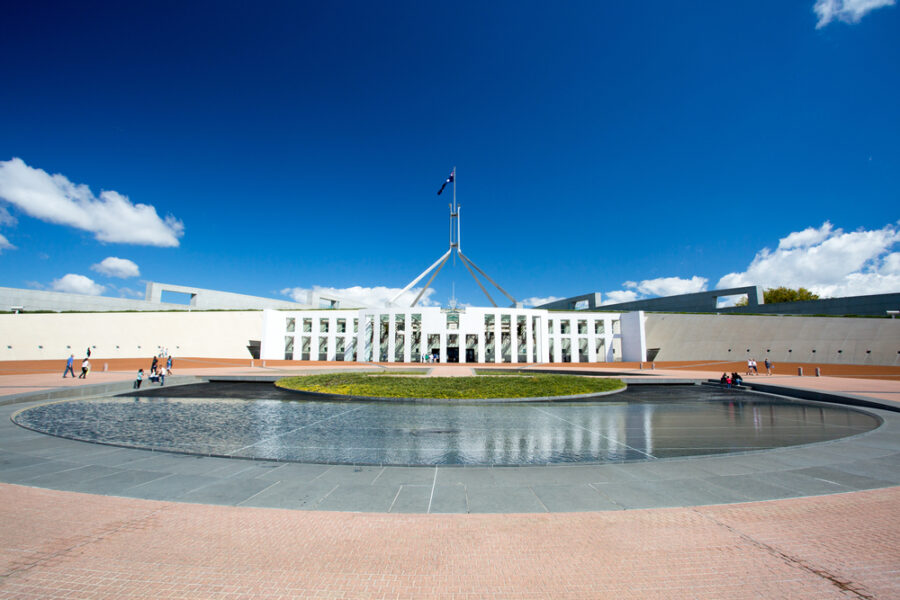
Australian independent MP Monique Ryan has introduced a private member’s bill seeking to have gambling harm formally recognized as a public health issue by the Australian Centre for Disease Control.
The proposal would require the national health body to collect more robust data on gambling-related harm and to support coordinated prevention strategies.

It follows mounting criticism of the Albanese government’s response to a parliamentary review on gambling delivered in June 2023.
The review, led by the late Labor MP Peta Murphy, recommended a blanket ban on gambling advertising and the creation of a national harm-reduction strategy.
Independent MP and Doctor Sophie Scamps told The Leader, “Gambling is the root cause of so many harms, including family and relationship breakdowns, domestic violence, mental distress, job losses, crime, and of course suicide.”

Public health researcher Samantha Thomas added that formal recognition would shift how policymakers responded to industry practices.
Responsible Wagering Australia defended existing safeguards with Chief Executive Kai Cantwell telling a parliamentary hearing, “We’re not shirking our responsibility.”
The government said it had introduced BetStop and banned credit card use for online gambling, and would continue working with stakeholders to reduce harm.
Abi Bray brings strong researching skills to the forefront of all of her writing, whether it’s the newest slots, industry trends or the ever changing legislation across the U.S, Asia and Australia, she maintains a keen eye for detail and a passion for reporting.

Dig Deeper
Related stories




The Backstory
Why the push to treat gambling as a health issue is intensifying
Australia’s latest move to frame gambling harm as a public health problem follows nearly two years of mounting evidence that the risks tied to online betting are spreading beyond individual users to families, clubs and schools. Lawmakers have faced growing pressure since a June 2023 parliamentary review, led by the late Labor MP Peta Murphy, urged a national harm-reduction strategy and a blanket ad ban. While the government points to steps like BetStop and a credit card ban for online wagering, critics argue the response has lagged behind the pace of product innovation and marketing. The stakes have sharpened as the conversation shifts from consumer choice to community-level harm, data transparency and youth exposure.
Public health experts say that framing matters. Recasting gambling as a health risk allows regulators to prioritize prevention and standardized data, not just individual responsibility. That approach mirrors tactics used against tobacco and alcohol, and it helps explain why advocates have rallied around proposals that would put a national health body in charge of tracking harm and coordinating responses across states and platforms.
Grassroots sports face the fallout from online betting
Community sport has become a frontline in the debate. A growing cohort of amateur clubs has embraced prevention programs after seeing betting bleed into locker rooms and social media. In February 2025, a campaign called The Real Stakes launched workshops and webinars across three state leagues, drawing more than 40,000 participants. Since then, two hundred and eight football clubs in Victoria, Perth and Adelaide have joined the initiative, reporting a shift in attitudes and behavior among coaches and volunteers.
Survey findings from those leagues are stark: 93% of community footballers in Perth, Adelaide and Melbourne believe online sports betting is hurting lives, and 74% favor a total ban on gambling ads during sports broadcasts. Organizers cite national expenditure levels to underscore the urgency, pointing to official tallies that rank Australians among the world’s heaviest gamblers. Public data show the country’s outlays remain high, with historical series maintained by Queensland’s statisticians at Australian Gambling Statistics. The community response has amplified calls for tighter marketing rules and standards for in-app features that normalize betting in sports culture.
These club-level shifts help explain why public health framing has traction. When local leaders report behavioral change after education and peer-led action, policymakers gain evidence that prevention programs can scale. They also gain a read on the limits of industry self-regulation when advertising saturates game days and betting products are designed for speed and frequency.
Micro-betting and real-time data complicate safeguards
The technology underpinning modern wagering is fueling fresh scrutiny of regulatory guardrails. In the United States, a deal between the NCAA and Genius Sports to commercialize real-time college sports data has become a flashpoint. The Massachusetts-based Public Health Advocacy Institute warns that the arrangement will supercharge “AI-powered” micro-bets on in-game moments that are inherently high intensity. The group argues the structure can feed harmful play patterns and youth risk, and it has questioned whether fund-for-education pledges offset the underlying exposure. The NCAA gambling data sale also raised conflict concerns because of ownership links to a major U.S. pro league.
Academic voices have echoed those alarms. At a Harvard T.H. Chan School of Public Health forum, experts described how always-on mobile interfaces, cashless payments and sophisticated engagement mechanics have altered risk profiles. The Harvard panel on gambling’s public health risks warned that adolescents and emerging adults are especially vulnerable, and that higher income and education no longer shield users from harm. Their call for a stronger federal presence in gambling policy mirrors Australia’s debate over centralizing harm monitoring and prevention, underscoring a transnational shift toward treating gambling as an addictive product that warrants tighter controls.
New Zealand’s offshore warning and the licensing dilemma
Across the Tasman, New Zealand is confronting a related problem: offshore casinos exploiting social media to reach vulnerable groups. Māori public health advocates say scammers are deploying fake profiles featuring traditional moko kauae imagery to lure users to dubious gambling sites. The alert from Hāpai te Hauora lands as Wellington debates legalizing online casinos through a capped-licensing model. Supporters of regulation argue it could displace black-market operators, but critics counter that licensing may legitimize the same tactics that draw people in today. Fifty sporting bodies have come out against the bill on harm grounds.
New Zealand’s current rules already bar remote interactive gambling unless run by designated state providers, as outlined by authorities at the Department of Internal Affairs. The prohibition, and the difficulty of enforcing it against offshore entities, is described on the DIA website at Prohibited remote interactive gambling. The country’s experience offers a cautionary tale for Australia: payment blocks and ad bans can be blunted if offshore sites keep targeting consumers, but licensing without strict harm standards risks normalizing high-intensity products.
Lobbying, influence and the politics of reform
The politics around gambling reform have grown more contentious as industry groups defend current safeguards and seek to retain access to decision-makers. In Canberra, an amateur sports club for lawmakers sparked criticism after accepting money from a wagering lobby group. Independent senator David Pocock, a former Wallabies captain, refused to return to the club after his removal, saying the sponsorship blurred lines between recreation and influence. The standoff, detailed in reporting on Pocock’s rejection of a club invitation, highlights how even small-scale partnerships can become touchpoints in the broader lobbying debate.
The episode dovetails with scrutiny of regulators, including allegations that some bodies are too close to the companies they oversee. It also shows why a public health framing resonates with crossbenchers and community advocates: it reframes policy choices as harm minimization rather than market accommodation, and it treats advertising, product design and data practices as levers to reduce risk at scale.
The data deficit and what comes next
Across these threads runs a common gap: consistent, nationwide data on gambling harm that keeps pace with product innovation. Community surveys point to rising concern, U.S. academics warn of structural risks from micro-betting, and New Zealand health groups document targeted scams. Yet Australian policymakers still rely on a patchwork of state figures and industry reporting. While statistical series like the Australian Gambling Statistics quantify spend, they do not capture real-time harm, treatment outcomes or the effects of ad saturation and in-play features.
That is why calls to embed gambling under a national health umbrella have gathered force. Proponents argue that central data collection and coordinated prevention would let Australia evaluate what works, from club-based education to advertising curbs and product-level limits. Opponents caution against overreach and say existing tools, including self-exclusion and identity checks, are improving outcomes. The next phase will likely test whether Australia moves from incremental safeguards toward a comprehensive, health-first framework with standardized metrics. The outcome will shape how quickly regulators can respond to new betting formats, how communities insulate sports from wagering culture and how governments balance industry interests with public health.
