
PhilWeb to manage online gambling platform for Hann Casino

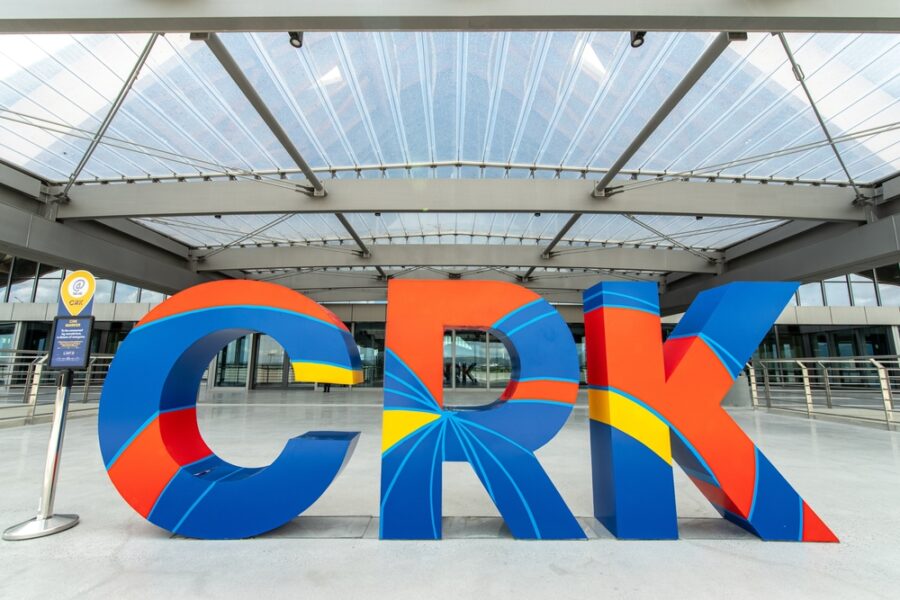
Philippine Stock Exchange-listed igaming supplier PhilWeb has partnered with Hann Casino to run the Clark Freeport Zone-based resort’s online gaming platform.
Hann Casino Resort is part of the Hann Holdings group, owned by South Korean gaming executive Dae Sik Han.

Han told InsiderPH that the partnership is expected to raise their share in the online space, adding, “We are trying to make [online gambling] as big as possible.”
Hann Holdings launched its online casino, Hann Online, in March 2025 with more than 100 games. The platform has remained relatively small, but industry observers note that the partnership with PhilWeb would help expand its presence.
Following the partnership announcement, PhilWeb’s shares experienced an 8% increase, reaching a new valuation high of PHP10 billion (US$168 million)1 PHP = 0.0168 USD
2026-01-15Powered by CMG CurrenShift.

When asked about the partnership by InsiderPH, the supplier said, “[It’s] a good starting point,” and in a stock exchange filing on January 15 stated that it would “support the operation and management of Hann’s online gaming platform.”
Despite the share price bump, according to InsiderPH the company faces major financial challenges. For the first nine months of 2025, it reported a net loss of PHP60.9 million (US$1.0 million)1 PHP = 0.0168 USD
2026-01-15Powered by CMG CurrenShift, while revenue declined by 11%.
The rise in online gambling in the Philippines can also be seen in a recent statement released by Cebu Archbishop Alberto Uy last week, as he took to social media to appeal to Sinulog Festival organizers to reject gambling sponsors.
Charlotte Capewell brings her passion for storytelling and expertise in writing, researching, and the gambling industry to every article she writes. Her specialties include the US gambling industry, regulator legislation, igaming, and more.

Verticals:
Sectors:
Topics:
Dig Deeper
Related stories




The Backstory
A fast-moving online pivot
The tie-up between a local gaming supplier and a Clark-based resort lands in the middle of an aggressive push by Philippine casino operators to capture online play. Over the past year, the country’s largest integrated-resort brands have rushed to launch or upgrade platforms to keep customers engaged beyond the gaming floor, diversify revenue and defend market share as competition intensifies. The shift reflects a sector recalibration that began when operators sought to offset swings in traditional VIP and mass play with scalable, mass-market digital products.
Bloomberry Resorts signaled the turn in strategy months ago, telling investors it would roll out a mainstream platform to claw back revenue lost after the Philippine Offshore Gaming Operators ban. At its annual meeting, Chairman Enrique Razon Jr. said the product would debut in the second quarter, positioning it as a complement to Solaire and a nationwide play for mass-market users. He framed the launch as part of a broader portfolio approach that includes new bricks-and-mortar capacity and expanded online reach, citing regulator forecasts that the igaming sector could reach between PHP450 billion and PHP480 billion in 2025. That plan set the tone for rivals weighing how quickly to scale their own offerings, and at what cost, to compete for a growing pool of digital players. Read more about the strategy shift in Bloomberry’s announcement to launch an online gaming platform to earn back lost revenue.
Bloomberry ups the stakes
The follow-through arrived with Bloomberry’s soft launch of MegaFUNalo, a platform that blends casino titles with free movie streaming. The mix aims to broaden the funnel and extend time-on-app, differentiating the product in a crowded field of look-alike game lobbies. Payment rails run through major local partners such as UnionBank, GCash, GrabPay and BPI, signaling a push for mainstream adoption. Analysts note the company’s budget is as bold as the concept: one brokerage estimates Bloomberry set aside roughly PHP2 billion per quarter for promotions to drive discovery and retention.
The spend underscores a land-grab phase in which customer acquisition costs may spike before rationalizing. It also implies pressure on smaller or late-moving rivals to find their own edge, whether through content partnerships, regional marketing or narrower high-value niches. The early narrative for MegaFUNalo is that variety and entertainment hooks could be as important as odds and payouts in carving out share. Details on the concept and marketing firepower are in the coverage of Bloomberry’s online gaming launch featuring free movie streaming.
Rivals race to upgrade
Others aren’t standing still. Newport World Resorts, controlled by Alliance Global Group through Travellers International, moved to clarify that it would not release a new app but is instead overhauling its existing platform. The message: get faster, more reliable and more engaging, not necessarily bigger for its own sake. The timing puts Newport’s update against the backdrop of stiffer competition as Bloomberry ramps and as another major operator, Universal Entertainment’s Okada Manila, signals it intends to “penetrate” its new online channel. Industry watchers will be parsing how each brand allocates capital between content, user experience and marketing to maximize lifetime value.
Market projections help explain the urgency. One estimate pegs the Philippines’ e-gaming market at about PHP200 billion in gross gaming revenue in 2025, a figure that highlights sizable runway even if methodologies differ from the regulator’s broader sector outlook. First-quarter numbers from the Philippine Amusement and Gaming Corp. already show momentum, with electronic games and e-bingo delivering PHP14.32 billion, or a majority of the corporation’s take for the period. The competitive calculus behind these moves is laid out in reporting on Newport World Resorts’ plan to upgrade its online platform.
Streaming casinos go global
The online pivot is not limited to the Philippines. International operators are experimenting with formats that blur the line between physical and digital casino floors. MGM’s “Live from Vegas” expands a model in which players in countries like the United Kingdom, Brazil, Mexico and Canada can join the same streamed blackjack, roulette and baccarat sessions, complete with live presenters and the ambient backdrop of a working Las Vegas casino. The product requires a large bench of trained dealers and an emphasis on responsible-gaming protocols, signaling operational heft behind the slick interface.
While the platform is not legal in the United States yet, MGM’s move illustrates how brands are chasing immersion and scale via live content, game-show formats and social elements. That approach could resonate in markets like the Philippines, where integrated resorts carry strong brand equity and entertainment credentials. It also raises the bar for local platforms to invest in production quality and live operations if they hope to keep higher-spending users from drifting to international alternatives. More on the live-stream trend can be found in the report on MGM expanding its global virtual casino platform.
Payments and compliance pressures
As platforms scale, payments and compliance are becoming differentiators and potential flashpoints. In Turkey, authorities recently arrested the owner of Papara and others in a sweeping probe into alleged illegal gambling facilitation, accusing the payments firm of processing transactions linked to unlicensed sites. Prosecutors said funds moved through hundreds of bank accounts and multiple crypto wallets, with assets from yachts to vehicles seized during the crackdown. The case underscores the risks payment providers face when controls lag the pace of digital wagering, and why operators cultivating mainstream audiences prefer transparent, regulated rails.
For Philippine platforms, the message is clear: the right mix of payment partners and rigorous monitoring is not just a convenience but a strategic safeguard. It reduces friction for legitimate users while insulating operators from enforcement blowback that can derail growth. The episode offers a cautionary tale for any company that treats compliance as a box-checking exercise rather than a core competency. Details of the Turkish action are in the coverage of the arrest of Papara’s owner over illegal gambling allegations.
The stakes for Philippine operators
Put together, the surge of product launches, platform upgrades and live-stream experiments at home and abroad shows an industry in transition. Operators are betting that digital channels can widen their customer base, smooth revenue volatility and keep patrons within their ecosystems between resort visits. The flipside is a rising cost curve for content, marketing and payments integration as competitors jostle for attention.
In the months ahead, watch for three signals. First, how user acquisition and retention metrics evolve as Bloomberry’s campaign scales and rivals respond. Second, whether upgraded platforms like Newport’s convert to higher monetization without eroding margins. Third, how regulators calibrate oversight as e-gaming’s share of industry revenue climbs. Success will hinge on disciplined execution: distinctive content, reliable payments, and compliance that keeps growth onside of the rules.

