


Philippine igaming operator PhilWeb gains PAGCOR accreditation

Igaming operator PhilWeb has received accreditation from the gambling regulator PAGCOR, allowing it to operate as a service provider and affiliate within the country’s gambling sector.
In a disclosure to the Philippine Stock Exchange on 30 March, PhilWeb said the approval enables it to deliver technology and operational support to licensed gaming operators. The operator also says the accreditation is part of the company’s move to an asset-light model focused on platform management and systems integration.

PhilWeb said it is participating in technical working groups alongside PAGCOR and other industry stakeholders, and that these discussions are intended to develop standards on transparency, consumer protection, and governance as regulators continue to refine the sector.
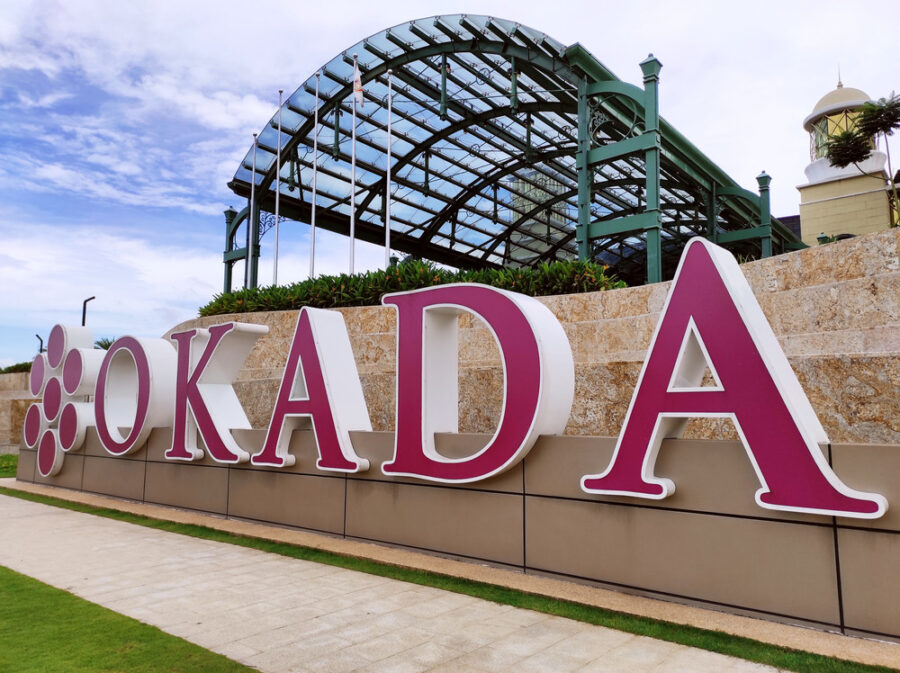
The company has deployed its systems through partnerships with integrated resort operators, including Hann Casino Resort and Okada Manila, where it provides backend infrastructure for igaming platforms.
It also has worked with FBM Philippines to roll out platform solutions across a wider network of gaming venues.

“This is a pivotal stage for the industry as it moves toward a more structured and transparent framework,” PhilWeb President Brian Ng said in a statement. “We are committed to supporting this transition by delivering reliable and scalable technology solutions, while actively engaging with stakeholders to help strengthen the overall ecosystem.”
Charlotte Capewell brings her passion for storytelling and expertise in writing, researching, and the gambling industry to every article she writes. Her specialties include the US gambling industry, regulator legislation, igaming, and more.

Dig Deeper
Related stories
 2026/06/22: PhilWeb unveils new visual identity as “technology-driven infrastructure provider”
 2026/06/23: Philippine billionaire Lance Gokongwei assuming personal 15% stake in gaming tech firm PhilWeb
 2026/07/09: PhilWeb inks exclusive partnership with Pragmatic Play to provide its games to licensed operators
 2026/05/26: PAGCOR sets 31 July deadline for igaming suppliers to fulfill new compliance requirements
2026/06/22: PhilWeb unveils new visual identity as “technology-driven infrastructure provider”
2026/06/23: Philippine billionaire Lance Gokongwei assuming personal 15% stake in gaming tech firm PhilWeb
2026/07/09: PhilWeb inks exclusive partnership with Pragmatic Play to provide its games to licensed operators
2026/05/26: PAGCOR sets 31 July deadline for igaming suppliers to fulfill new compliance requirements
The Backstory
Setting the stage for a rules-first market
PAGCOR’s stamp of approval for PhilWeb lands in a market that is trying to institutionalize standards while keeping growth on track. Over the past year, the regulator has moved to formalize requirements for business-to-business suppliers and testing protocols, signaling a shift from permissive expansion to codified oversight. That pivot frames PhilWeb’s new status as a service provider and affiliate not just as a license to operate, but as an entry point to the rulemaking process it says it is helping shape through technical working groups. The bigger picture: accreditation knits the company’s strategy to PAGCOR’s agenda, linking revenue ambitions to compliance benchmarks that are tightening across the ecosystem.
The timing also reflects turbulence on the payments side that has tested operators’ resilience. The central bank’s move to delink e-wallets from gambling platforms last year forced igaming companies to rework onboarding and cash flow, cooling short-term activity and exposing reliance on frictionless payments. PhilWeb’s bid to act as a backbone provider for licensed brands is a hedge against those shocks. Platform management and systems integration can spread risk across partners while making it easier to adjust to rule changes and payment workarounds that remain in flux.
Standards harden as GLI steps in
One clear sign of PAGCOR’s direction is its recognition of a single testing regime. In March, the regulator accredited Gaming Laboratories International to test and certify interactive platforms, the first such endorsement under the new framework. As GLI became the first testing lab to receive igaming accreditation from PAGCOR, submissions were pegged to the GLI-19 standard, creating a reference point for suppliers seeking entry. In practice, that means platform updates, new game launches and security controls will be measured against a consistent yardstick rather than ad hoc checks.
For a service provider like PhilWeb, alignment with a recognized standard reduces integration friction with multiple operators and accelerates time to market. It also raises the cost of noncompliance for smaller vendors and offshore outfits that may have thrived in regulatory gray zones. PAGCOR’s public framing of regulated markets as a path to responsible play and tax certainty underscores its intent to direct capital toward accredited channels. The convergence of accreditation for both testing and service provision suggests a deliberate sequencing: define how to measure safety and fairness, then empower vetted firms to scale within those guardrails.
Hann partnership signals an asset-light playbook
PhilWeb has already used partnerships to show what an accredited, platform-led model looks like on the ground. Early this year it agreed to operate Hann Casino Resort’s online platform, a deal positioned to elevate the Clark Freeport Zone operator’s digital reach while giving PhilWeb a marquee client. The move, disclosed before accreditation arrived, marked a pivot away from owning front-end assets toward powering them. As reported when PhilWeb agreed to manage the online gambling platform for Hann Casino, the announcement nudged the supplier’s shares higher even as financials remained pressured by softer revenue and a net loss in the nine-month period to September.
The strategy crystallized with a rapid relaunch of Hann Online in the Philippines with PhilWeb, which brought the resort’s digital counterpart back with thousands of titles and local banking rails after a two-week build. The speed of deployment and compliance messaging were part proof of concept, part signaling to other resorts that PhilWeb can stand up a regulated platform under tight deadlines. For Hann, whose owner Dae Sik Han has pushed for a bigger online footprint, the tie-up channels capex into content and customer acquisition rather than core infrastructure. For PhilWeb, it showcases the kind of managed services that PAGCOR’s accreditation now formalizes.
Blending online scale with retail reach
Beyond integrated resorts, PhilWeb is attempting to stitch together online engagement with the country’s dense network of retail venues. A recent pact with FBM Philippines aims to embed online functionality across tens of thousands of electronic bingo machines nationwide. By rolling out an online gambling platform across 30,000 FBM gaming machines, the partners are betting on an online-to-offline model that funnels digital content and features into physical sites, rather than standing up pure-play apps that compete head-to-head with retail.
The logic is straightforward. Venue operators facing cost pressure can use digital overlays to boost session time, personalize offers and smooth volatility without replacing hardware. Players get continuity between channels while compliance teams keep activity within licensed locations. For PhilWeb, each node in FBM’s 500-venue network is another touchpoint for its middleware, analytics and security layers, strengthening switching costs and data advantages that are harder for single-property rivals to match. Pair that footprint with resort partners like Hann and the result is a diversified distribution map that reduces dependence on any one operator or region.
Responsible play and reputational risk
As the policy environment tightens, responsible gambling has become a competitive differentiator as well as a license condition. In the United States, the National Council on Problem Gambling’s iCAP accreditation is emerging as a benchmark for online operators. Daily fantasy platform PrizePicks recently received responsible gambling accreditation from the National Council on Problem Gambling, highlighting independent audits of consumer protections, training and KYC. While the program is U.S.-based, its visibility raises expectations globally for tools like spending limits, cooling-off periods and data-driven harm detection.
In the Philippines, church leaders and local officials have amplified concerns about gambling sponsorships and social impact, intensifying scrutiny on operators’ safeguards. PhilWeb’s emphasis on transparency and round-the-clock support in recent launches tracks with that sentiment. Accreditation by PAGCOR, particularly under a framework that dovetails with third-party testing, gives operators and service firms clearer incentives to surface player protection metrics and invest in controls that preempt reputational blowback. The calculus is commercial as much as ethical: regulatory goodwill translates into smoother product approvals and fewer disruptions when policy shifts hit payments or advertising.
What’s next for growth under guardrails
Accreditation doesn’t erase execution risk. Competition from established digital incumbents and new entrants, such as platforms backed by major resort groups, will keep pricing tight and acquisition costs elevated. Macroeconomic headwinds and the lingering impact of payment curbs add uncertainty to near-term revenue. But the scaffolding now in place — testing standards via GLI, service-provider accreditation via PAGCOR and a widening set of partnerships across resorts and retail networks — points to a market where growth is channeled through vetted infrastructure.
For PhilWeb, the near-term imperative is to convert accreditation into operating leverage: deepen resort integrations like Hann, scale the FBM rollout on schedule and demonstrate that a platform-led model can lift margins even as compliance costs rise. For regulators, the test will be consistency — applying standards evenly and evolving them fast enough to keep pace with product innovation. If both sides execute, the Philippine igaming sector could trade some speed for durability, with players steered toward accredited ecosystems that are safer and easier to supervise.
