


Oxford Casino sues Maine Gambling Control Unit over igaming bill

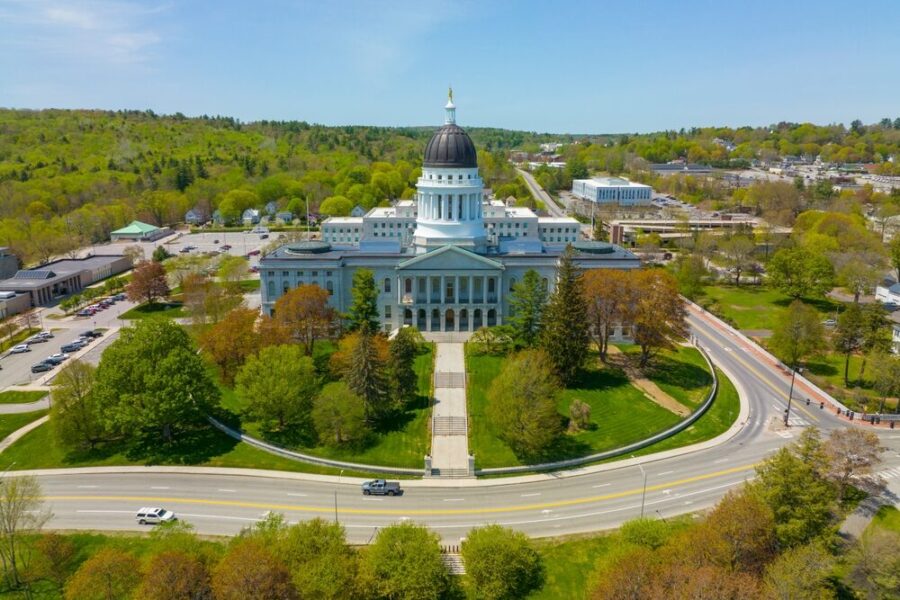
The Maine Gambling Control Unit is facing a lawsuit from Oxford Casino, one of the state’s two commercial casinos, over the legalization of online casino games.
Oxford Casino claims that the state is unlawfully creating a monopoly by only licensing the Wabanaki Nations, according to the Portland Press Herald.

Earlier this month, Governor Janet Mills authorized all four of Maine’s federally recognized tribes to begin offering igaming.
Violations reported in the lawsuit by the casino include Equal Protection Clauses in both the US and Maine Constitutions based on race. Additionally, it reports that casinos could lose millions in revenue, and that employment could be drastically affected.
The lawsuit states, “Promoting iGaming through race-based preferences deals a gut-wrenching blow to Maine businesses like Oxford Casino that have heavily invested in the State and its people.”

The state’s only other commercial casino, the Hollywood Casino, has also opposed the bill, due to potential job losses. Additional objections came from the Maine Center for Disease Control and Prevention and Maine’s Gambling Control Board.
There is currently no set timeline for when the igaming options will become available. However, the law will take effect 90 days after the legislature adjourns this year.
While Governor Mills’ igaming bill faces backlash, a Maine lawmaker has recently introduced a bill to ban credit card use for sports betting to limit harms from problem gambling.
Abi Bray brings strong researching skills to the forefront of all of her writing, whether it’s the newest slots, industry trends or the ever changing legislation across the U.S, Asia and Australia, she maintains a keen eye for detail and a passion for reporting.

Dig Deeper
Related stories

The Backstory
Why the fight over online casinos escalated
Maine’s latest clash over gambling policy grew from a narrow push to let the state’s four federally recognized tribes offer online table games and slots – an expansion that mirrors their exclusive control of mobile sports betting. The House set the tone with an 85-59 vote to give the Wabanaki nations sole rights to run online casinos, as described in this report on the House-backed tribal online casino proposal. Supporters framed the move as economic development for the Penobscot Nation, Passamaquoddy Tribe, Houlton Band of Maliseet Indians and Mi’kmaq Nation, while directing a slice of proceeds to addiction services, veterans’ homes and other programs.
Commercial operators saw a different picture. With no retail casino access to online slots and table games, executives warned of revenue cannibalization and job losses. That friction intensified as the bill advanced, laying the groundwork for today’s legal and political standoff.
The context is crucial: Maine’s online sports betting launched in 2023 under tribal exclusivity. State records show the market is producing measurable tax revenue, which bolstered arguments that regulated online gambling can deliver public benefits. The Department of Public Safety tracks monthly results on its sports wagering revenue dashboard. Proponents of expanding to online casino games argued the same model could capture dollars now flowing to offshore sites.
A razor-thin path through the State House
After clearing the House, the measure – Legislative Document 1164 – squeezed through the Senate by a single vote on its second try, according to this account of the Senate’s advance of the tribal online casino bill. The bill would let tribes contract with platform providers to offer blackjack, roulette, poker and other games statewide, with gross receipts taxed to fund public health, housing and education programs.
The late-session maneuvering underscored the stakes. Lawmakers who backed LD 1164 pointed to parity with sports wagering and a chance to bring unregulated play into the light. Detractors cited potential harm to brick-and-mortar casinos and questioned whether the state would trade near-term tax gains for longer-term social costs. The tight votes amplified expectations that any final word from the governor would be decisive.
For reference, the measure’s evolution and bill text are publicly available through the Legislature and tracking services, including LegiScan’s page for LD 1164 and a posted draft document. The statutory design echoes Maine’s approach to sports wagering, which limited market access to tribal partners and now anchors the exclusivity argument on both sides.
Regulators warned of unlicensed rivals
As the Legislature debated expansion, state regulators highlighted the growth of gray-market and offshore casino-style sites serving Mainers. The Gambling Control Unit issued a consumer alert that online casino games remained illegal and unregulated in Maine, emphasizing that sweepstakes-style operators use virtual currencies to mask real-money risk. That backdrop is captured in this warning from the Maine gambling regulator about illegal online casino operators.
The timing mattered. Supporters of LD 1164 argued that a legal, tribal-led market would steer players to vetted platforms, protect consumers and deliver tax revenue. Opponents countered that expanding legal gambling could increase participation and addiction risk, with problem-gambling infrastructure struggling to keep pace. The regulator’s caution bolstered both narratives: it underscored the need for consumer protections while reminding lawmakers of potential harms from normalization and access.
Sports betting results provided a reference point. In January 2025, the state reported hundreds of thousands of dollars in tax revenue from the 10% levy on mobile wagering, a figure cited in the House debate and consistently tracked on the state’s revenue dashboard. Whether that experience translates to online casino games – where margins and player behavior differ – remains the core policy question.
The governor’s pause added uncertainty
Even after two chambers advanced LD 1164, Gov. Janet Mills refrained from immediate action. Her office signaled a broad review of end-of-session bills and reiterated past concerns about gambling expansion, as detailed in this piece on how the governor halted the online gaming expansion bill. The procedural wrinkle: without lawmakers in session for at least three days, she could not exercise standard veto options, complicating the timeline for a final decision.
The pause injected operational questions for tribes, vendors and regulators. Platform partners would need clarity on licensing, tax reporting and responsible-gaming obligations before investing in technology and marketing. Brick-and-mortar casinos pressed the case that a tribal online monopoly would tilt the field, siphon customers and threaten payrolls. Treatment providers and public health officials asked for dedicated, durable funding streams if the market opened.
The impasse also raised legal exposure. With no enacted framework, offshore operators continued to fill demand. Retail casinos warned that, if the state moved forward with an exclusivity model, they would challenge it on constitutional grounds and seek to protect their investments. That tension set the stage for the legal action now unfolding.
Sweepstakes and prediction markets tightened the squeeze
Parallel to the online casino fight, the Department of Public Safety asked lawmakers to crack down on dual-currency sweepstakes platforms and other unregulated wagering, proposing fines up to $100,000 for companies exploiting federal sweepstakes laws. The move targeted competitors to licensed sportsbooks and addressed the rapid rise of prediction markets. Details appear in this coverage of Maine’s bid to ban online sweepstakes.
The sweepstakes push served two functions. First, it aimed to protect the state’s tribal-backed sportsbook monopolies from lookalike products. Second, it framed the online casino debate in terms of enforcement practicality: without an authorized channel for casino-style play, Maine risked ceding the field to sites beyond its reach. Industry and tribal leaders argued that a regulated avenue would erode offshore demand. Critics said enforcement should precede expansion to minimize harm.
This regulatory squeeze increased pressure on policymakers to pick a direction. A ban without a regulated alternative could send players further underground. A greenlight for tribal igaming could face legal challenges and potential market disruption for commercial casinos. Either path would test Maine’s ability to balance sovereignty, competition and consumer protection.
What’s at stake for Maine’s market and communities
The unresolved questions go beyond market share. Revenue allocation in LD 1164 earmarks funds for gambling addiction services, opioid treatment, veterans’ care and housing – priorities that depend on steady receipts and robust oversight. The House design, summarized in the House vote coverage, also reflects a political commitment to tribal economic self-determination that has shaped Maine’s gaming policy since sports betting went live.
At the same time, exclusivity poses competitive and legal risks. Commercial casinos argue the state is reshaping a regulated industry without voter approval and jeopardizing in-person jobs, concerns that surfaced repeatedly as the bill moved through Augusta and as the Senate proceeded in a one-vote margin reported in the Senate advance. The governor’s review, described in the executive branch pause, suggests any final framework will be scrutinized for economic and public health impacts.
With offshore operators courting Mainers and sweepstakes bills moving in parallel, the policy window is narrow. Lawmakers, regulators and the governor will need to decide whether to channel demand into a tribal-led marketplace, double down on enforcement, or attempt both. However it resolves, the outcome will set precedent for how Maine balances tribal sovereignty, consumer protection and competition in the digital gambling era.
