


Oklahoma tribes raise concerns over prediction markets like Kalshi

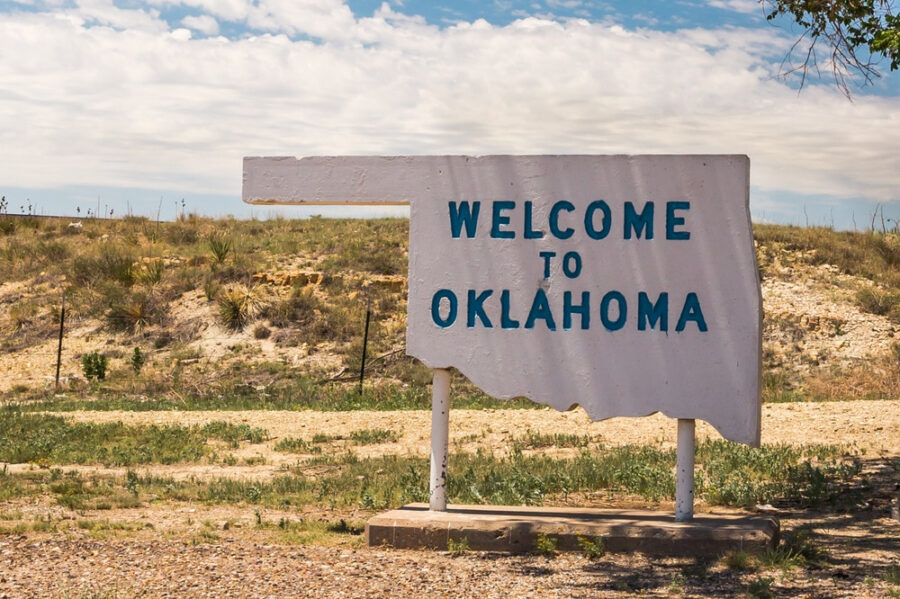
Representatives from 20 Oklahoma tribal nations expressed concern over the growth of prediction markets at a quarterly meeting of the United Indian Nations of Oklahoma, lobbying for the contract issuers to abide by gaming laws.
According to Kosu, Matthew Morgan, Chairman of the Oklahoma Indian Gaming Association, said prediction market platforms like Kalshi could challenge tribal authority over gambling. Kalshi maintains that its products are financial markets, not traditional gambling.

Morgan argued that prediction markets conflict with the rules established in the Indian Gaming Regulatory Act (IGRA), the 1988 federal law that provides the framework for tribal gaming and establishes tribal authority over gaming on their reservations.
Tribes in California and New Mexico have separately filed lawsuits against Kalshi, alleging that its sports events contracts amount to gambling and bypass rules governing tribal gaming.
Oklahoma Attorney General Gentner Drummond has also argued that Kalshi’s services constitute gambling, joining officials from over 40 states in a submission filed to the Commodity Futures Trading Commission (CFTC).

The issue could become even more important if the US Senate passes the proposed Clarity Act, which would establish a regulatory framework for cryptocurrency and give the CFTC greater oversight of cryptocurrencies and prediction markets.
Morgan said prediction markets like Kalshi rely on cryptocurrency and urged tribal nations to oppose the Clarity Act before it reaches a final vote, with a cloture vote being held for the bill by the Senate on 15 September this year.
The debate comes as Oklahoma continues to face uncertainty over online gambling.

HB 1047, which would have legalized sports wagering in the state, was rejected by the Oklahoma Senate back in April, while Governor Kevin Stitt vetoed SB 1589 in May this year, which would have outlawed sweepstakes casinos.

Dig Deeper
Related stories

The Backstory
Tribal compacts meet a new federal challenge
Oklahoma’s dispute over prediction markets is rooted in a longer fight over who controls gambling in the state: tribal governments operating under compacts, state officials seeking revenue and federal regulators overseeing financial products that increasingly resemble wagers. The concern raised by Oklahoma tribal nations over Kalshi and similar platforms is not isolated. It reflects a widening national conflict over whether sports event contracts are federally regulated swaps or gambling products that must comply with tribal-state gaming agreements.
For Oklahoma tribes, the stakes are unusually high. Tribal gaming is a central part of the state’s gambling framework, with tribes holding exclusive rights to key forms of Class III gaming under compacts negotiated pursuant to the Indian Gaming Regulatory Act. Those agreements have generated substantial public revenue while supporting tribal government programs. That structure depends on a clear boundary: gambling is regulated through tribal, state and federal gaming law, not through financial-market rules that bypass compact obligations.
Prediction markets test that boundary. Operators such as Kalshi argue their event contracts are financial instruments supervised by the Commodity Futures Trading Commission. Tribal leaders and many state regulators say sports-related contracts function like sports bets, especially when consumers can buy positions tied to game outcomes. If federal financial regulation shields those products from gambling law, tribes warn it could weaken the exclusivity they negotiated with states and reduce the value of their compacts.
Oklahoma’s sports betting stalemate set the stage
The current fight is unfolding as Oklahoma remains one of the largest unresolved sports betting markets in the U.S. Lawmakers have repeatedly considered legalization but have not reached a final deal. Earlier this year, two Oklahoma sports betting bills advanced from a Senate panel in what supporters described as a significant step after years of failed attempts.
House Bill 1047 would have granted tribes exclusive authority to offer sports betting under a supplement to the Model Tribal Gaming Compact, with a 10% fee paid to the state. House Bill 1101 would have sent the issue to voters if the compact-based approach failed. The bills reflected two competing paths: preserve the tribal compact model or seek broader voter approval to break the impasse. The legislation also showed how central tribal exclusivity remains to any viable sports betting framework in Oklahoma.
That progress did not produce enactment. The measures later stalled before a legislative deadline, leaving Oklahoma without a regulated sports betting market. Lawmakers cited unresolved questions over mobile wagering and the need for consensus with tribal partners. The delay kept the state’s sports betting debate in limbo while digital alternatives, including prediction markets and sweepstakes-style products, continued to expand.
The text of the two measures remains a marker for where the debate stood. HB 1047 represented the compact-centered route. HB 1101 represented the fallback ballot approach. Neither resolved the underlying question now sharpened by prediction markets: whether new online products can operate outside the state’s gaming structure while offering consumers similar exposure to sports outcomes.
Revenue pressure collides with sovereignty concerns
The economic argument for legalization has been persistent. Supporters say Oklahoma is losing money to neighboring legal markets, offshore platforms and unregulated bookmakers. In a Senate panel discussion covered in a report on legislative gridlock and lost revenue, industry representatives argued that sports betting already occurs in the state and that regulation would convert illegal activity into taxable, transparent commerce.
Those arguments have appeal for lawmakers confronting budget demands. Legal sports betting is now widespread across the U.S., and neighboring states have captured revenue from Oklahoma bettors. Sports franchises and commercial operators also see legalization as a way to increase fan engagement and build new business lines. But the revenue case has repeatedly run into compact politics. Tribes contribute hundreds of millions of dollars to the state through existing gaming fees, and tribal leaders have warned that changes undermining exclusivity could create legal and financial consequences.
Prediction markets complicate the revenue debate because they could create a sports-adjacent betting channel without state tax rates, tribal revenue-sharing terms or responsible-gaming rules typically attached to sportsbooks. From the tribes’ perspective, that is not merely lost opportunity. It is a potential federal end run around negotiated agreements that fund health care, education, housing, public safety and other government services in tribal communities.
Oklahoma Attorney General Gentner Drummond’s position that Kalshi’s services constitute gambling aligns the state with a broad coalition of regulators challenging the CFTC’s treatment of event contracts. That state-level opposition gives tribal concerns a broader legal frame: the issue is not just market competition but jurisdiction.
Washington debate raises the stakes
The conflict has moved beyond Oklahoma because Congress is considering how to regulate digital assets and related markets. Tribal gaming groups have focused on the Digital Asset Market Clarity Act, known as the Clarity Act, because it could define the CFTC’s authority over digital commodities and prediction markets. If the bill gives the CFTC broader control without preserving gaming-law carveouts, tribes fear it could entrench the federal financial-market theory advanced by prediction market operators.
The Indian Gaming Association has been pressing that point in Washington. In July, the group launched a legislative push described in its effort to take the prediction market fight to Washington, urging senators to address what it called a threat to tribal sovereignty and state gaming authority. The group sought language barring sports and casino-style gambling through prediction markets and clarifying that the Clarity Act would not preempt IGRA, tribal-state compacts or other gambling laws.
That position was echoed in subsequent discussions involving tribal representatives and lawmakers. A later account of tribal gaming groups seeking changes to the Clarity Act described calls to ensure that sports and casino gambling remain regulated by states and tribes rather than being absorbed into the CFTC’s jurisdiction. Sen. Tina Smith proposed similar language aimed at preventing the Commodity Exchange Act from overriding IGRA or existing tribal-state agreements.
The legislative fight matters because regulatory classification drives market access. If sports event contracts are treated primarily as CFTC-regulated financial products, operators could claim a national pathway unavailable to sportsbooks, which must secure licenses state by state and negotiate within tribal frameworks where applicable. If they are treated as gambling, platforms would face state restrictions, tribal compact issues and potentially a patchwork of bans or licensing requirements.
Kalshi becomes the test case
Kalshi sits at the center of the dispute because it is among the most visible regulated prediction market operators and has defended its products as financial contracts rather than bets. That distinction is critical to its business model. It allows the company to operate under federal commodities rules while offering markets tied to real-world events, including sports-related outcomes that critics say are indistinguishable in function from wagering.
Tribes in California and New Mexico have already filed lawsuits alleging that Kalshi’s sports event contracts amount to gambling and bypass tribal gaming laws. Those cases could influence how courts interpret the boundary between federally supervised event contracts and gaming activity subject to IGRA. Oklahoma tribes are watching closely because an adverse precedent could weaken compact-based exclusivity not just in one state but across Indian Country.
The timing is important. Oklahoma has not legalized sports betting, yet consumers may still gain access to platforms offering exposure to sports outcomes through prediction contracts. That creates a practical contradiction: lawmakers can block or delay regulated sports wagering while products with similar consumer appeal emerge under a different federal label. For tribal governments, that undermines the premise that compact negotiations control gambling expansion.
The outcome will help determine whether new financial technologies are integrated into existing gambling rules or used to sidestep them. In Oklahoma, where sports betting legislation remains unresolved and tribal gaming is embedded in state finances, the prediction market fight is now part of the broader battle over sovereignty, revenue and the future shape of online gambling.
