


Oklahoma governor vetoes anti-sweepstakes bill

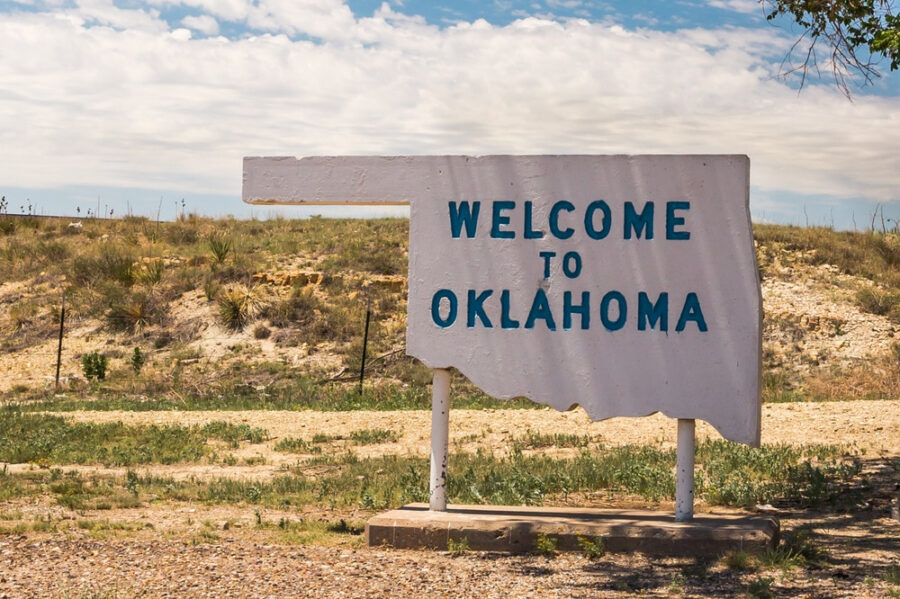
Oklahoma Governor Kevin Stitt has vetoed a bill that would have effectively outlawed online sweepstakes casinos by classifying them as a Class C2 felony offense.
Senate Bill 1589, authored by Sen. Todd Gollihare and Rep. Scott Fetgatter in the House, was introduced to the Senate in February. It was advanced to the House after a unanimous 48-0 vote in March, where it was then moved to the Criminal Judiciary Committee. The bill moved swiftly through the House.

On April 7, it moved from the committee after a 6-0 vote to the Judiciary and Public Safety Oversight Committee. On April 14, it passed that committee with a 12-1 vote and then went on to its final reading in the House.
House lawmakers passed the bill by a vote of 65-21 on May 4, and the following day, it was enrolled and signed before being sent to Gov. Stitt. However, the measure was one of several bills the governor vetoed on May 7, with no comment published so far on why it didn’t make it through.
The bill targeted sweepstakes casinos by altering the state’s definition of online casino gaming, amending the definition of a “representative of value” to include platforms that use a dual-currency system.

The measure would have treated unregulated gambling, including sweepstakes gaming, as Class C2 felonies, which carry fines of between US$500 and US$2,000.
Charlotte Capewell brings her passion for storytelling and expertise in writing, researching, and the gambling industry to every article she writes. Her specialties include the US gambling industry, regulator legislation, igaming, and more.

Dig Deeper
Related stories



The Backstory
Why the veto matters now
Gov. Kevin Stitt’s decision to reject a bill aimed at outlawing online sweepstakes casinos doesn’t just derail a fast-moving proposal. It resets Oklahoma’s stance in a national tug-of-war over how to treat sweepstakes-style social casinos that use dual currencies and allow redemption for cash or prizes. The measure, Senate Bill 1589, would have amended definitions of online casino gaming and “representatives of value,” classifying unregulated gambling activity, including sweepstakes platforms, as a Class C2 felony with fines between $500 and $2,000. By issuing the veto after overwhelming bipartisan majorities in both chambers, Stitt prolonged a regulatory gray zone that other states are increasingly unwilling to tolerate.
Lawmakers designed SB 1589 to wall off any current or future online gambling to tribal lands while criminalizing off-reservation sweepstakes play. Supporters argued the bill would close loopholes exploited by social casino operators that are not licensed under state gaming law and pay no gambling taxes. The governor’s move leaves tribes, operators and consumers without new definitions or penalties just as neighboring jurisdictions are testing harder lines. It also delays a decision on whether Oklahoma will expand tribal exclusivity into the social gaming arena or pursue a different model for consumer protection and tax policy.
How SB 1589 gained speed — and hit a wall
The bill’s trajectory underscored bipartisan appetite for action. It cleared the Senate 48-0 before cruising through House committees and winning final passage 65-21. As documented when the measure advanced to Stitt’s desk, SB 1589’s core was a definitional change: treating dual-currency systems — the hallmark of sweepstakes casinos — as a “representative of value” when virtual coins can unlock entries redeemable for prizes or cash equivalents. The language sought to align enforcement with how these platforms function in practice, not how they brand themselves.
The bill also codified that any online gambling authorized by the state would be conducted only on tribal lands. That framework tracks with Oklahoma’s broader compact-driven model, placing internet wagering — if ever approved — within existing tribal-regulatory structures. With the veto, none of those updates take effect, and the state retains current statutes that do not explicitly address sweepstakes mechanics.
Stitt did not publish an explanation for the veto. That silence contrasts with the bill’s detailed committee record and the administration’s past interest in reshaping gaming compacts, leaving stakeholders to parse whether the objection was about scope, drafting, timing or leverage in broader negotiations.
Tribal sovereignty and market control underpin the debate
At stake is who governs the digital edge of gambling and who benefits. SB 1589 would have drawn a bright line: sweepstakes-style casinos operating off-reservation would face felony exposure; authorized online gambling, if contemplated later, would stay on tribal lands. That approach echoes arguments raised by some California tribes during that state’s sweepstakes fight. Multiple tribal governments opposed Assembly Bill 831, saying it risked sidelining smaller nations from digital opportunities. As the bill neared the finish line, the Social Gaming Leadership Alliance highlighted tribal objections and pressed Gov. Gavin Newsom to veto, noting opposition from the Kletsel Dehe Wintun Nation, Sherwood Valley Rancheria of Pomo Indians, Mechoopda Indian Tribe of Chico Rancheria and Big Lagoon Rancheria in its call for a veto.
Newsom ultimately signed AB 831, prompting the group to say the measure was flawed and rushed and to argue that it removes a safe, popular entertainment category while curbing potential revenue. In its post-signing critique, the alliance pointed to industry analysis from Eilers & Krejcik estimating roughly $1 billion in annual economic impact from social sweepstakes gaming and hundreds of millions in potential tax revenue if regulated. The California outcome shows a path Oklahoma could have taken: a categorical ban anchored in updated definitions. Stitt’s veto sends the state down a different path, at least for now, where enforcement relies on existing tools rather than new felony provisions tailored to dual-currency models.
States are splitting on sweepstakes enforcement
The policy divide is widening. In Louisiana, Gov. Jeff Landry also rejected a crackdown, vetoing SB 181 after it sailed through the Legislature. Landry’s office said existing law already prohibits the underlying conduct and empowers the Gaming Control Board, warning the bill’s language risked unintended consequences. The veto positioned Louisiana alongside Oklahoma in questioning the need for new criminal penalties. The details are outlined in coverage of Landry’s veto, which noted SB 181 would have created fines up to $100,000 and prison terms up to five years for violators.
On the other end, Montana moved first to impose a sweeping prohibition. Gov. Greg Gianforte signed Senate Bill 555 into law, drawing fire from the Social and Promotional Games Association, which argued the language was so broad it could criminalize conventional digital promotions indistinguishable from sweepstakes casinos. The group’s statement, described in reporting on the Montana ban, framed SB 555 as a cautionary tale about vague definitions that blur lines between gambling and mainstream rewards programs.
California took a third route by adopting AB 831 to ban sweepstakes-style social casinos while industry advocates pressed for a regulatory and tax framework instead of prohibition. The state’s outcome, captured in the alliance’s response to Newsom’s signature, underscores how fast legislatures can move when they deploy “gut-and-amend” tactics and how little patience some jurisdictions have for ambiguity about redemption mechanics.
What to watch as Oklahoma recalibrates
Stitt’s veto invites a set of next steps. Lawmakers could attempt an override or draft a narrower bill that targets redemption features without sweeping in benign promotions. Tribal leaders may seek clarity that preserves sovereignty and positions any future iGaming expansion on tribal lands. Consumer protection agencies could lean on existing statutes while testing cases against operators that blur lines between entertainment and gambling.
Nationally, the patchwork is likely to deepen before it narrows. Prohibition states are betting that ban-first, clarify-later laws will withstand court scrutiny. Veto states are signaling confidence in current enforcement or concern about overreach. And in high-population markets like California, the cost of getting definitions wrong — economically and legally — has become a talking point for both sides.
For Oklahoma, the immediate effect is status quo: sweepstakes casinos continue operating in a legal gray area without the new felony provisions SB 1589 proposed. But the political consensus that carried the bill to the governor’s desk suggests the issue will return, shaped by how courts, tribes, operators and neighboring states redraw the lines between social gaming and gambling.
