
Nebraska online sports betting petitions approved for circulation

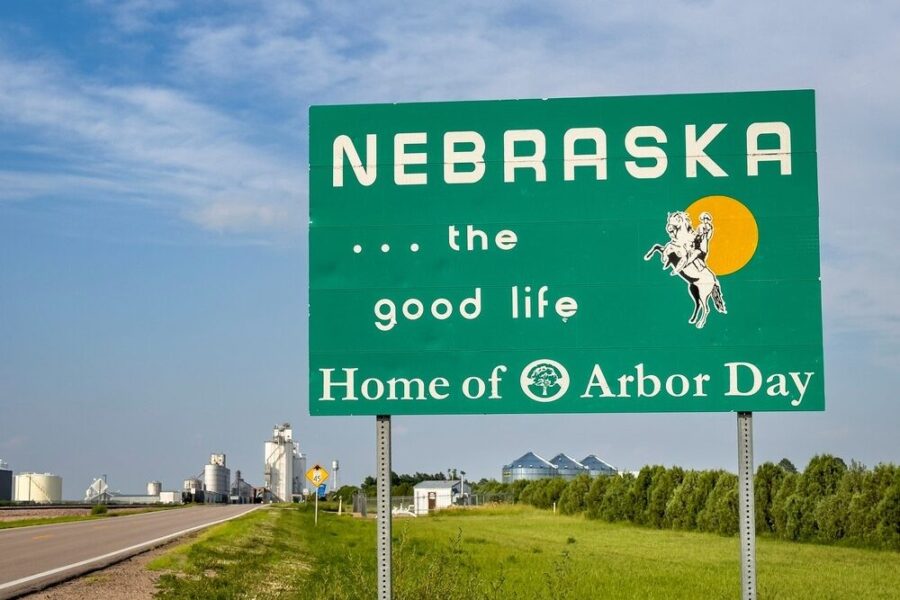
Two Nebraska petitions that would legalize online sports betting in the state have been approved for circulation ahead of the state’s 2026 general election.
The proposals have been supported by both the WarHorse Casinos in the state and the Sports Betting Alliance, according to the Lincoln Journal Star.

After being filed on January 9, the petitions were posted on the Nebraska Secretary of State’s website on Thursday.
One initiative proposes a constitutional amendment that would enable licensed horse racing tracks to partner with gaming operators to allow Nebraska residents to place bets, with casinos being able to offer up to two sportsbooks.
This petition would require signatures from around 10% of registered voters to get the amendment onto the ballot.

The second initiative proposed that tax revenue from online sports betting be sent to the cities and counties where bets are placed. The tax rate would mirror that applied to Nebraska’s land-based casinos, 20%, with the majority of taxes generated going toward property tax relief.
It would require 7% of registered voters’ signatures, with both initiatives requiring at least 5% of registered voters in 38 of Nebraska’s 93 counties.
Nebraska isn’t the only state advocating for the legalization of online sports betting, as Wisconsin’s tribal nations urged state lawmakers earlier this month to advance a bill to legalize online sports wagering in the state.
Abi Bray brings strong researching skills to the forefront of all of her writing, whether it’s the newest slots, industry trends or the ever changing legislation across the U.S, Asia and Australia, she maintains a keen eye for detail and a passion for reporting.

Verticals:
Sectors:
Topics:
Dig Deeper
Related stories
 2025/11/19: Wisconsin lawmaker warns prediction markets will launch even if sports betting is not approved
 2025/03/11: Nebraska lawmakers to consider online sports betting
2025/03/26: Nebraska online sports betting bill advances from legislative committee
2025/04/15: Nebraska online sports gambling bill facing tough odds
2025/03/11: Nebraska lawmakers to consider online sports betting
2025/03/26: Nebraska online sports betting bill advances from legislative committee
2025/04/15: Nebraska online sports gambling bill facing tough odds
2025/11/19: Wisconsin lawmaker warns prediction markets will launch even if sports betting is not approved
2025/03/11: Nebraska lawmakers to consider online sports betting
2025/03/26: Nebraska online sports betting bill advances from legislative committee
2025/04/15: Nebraska online sports gambling bill facing tough odds
The Backstory
Why petitions are on the table now
Nebraska’s move to circulate petitions to legalize online sports betting follows a bruising attempt to do it through the Legislature. Sen. Eliot Bostar’s proposal to authorize mobile wagering advanced early this year, buoyed by arguments that Nebraskans already cross into Iowa to bet and that a regulated framework would keep dollars at home. A legislative committee heard the pitch that mobile wagering could steer activity away from illegal offshore sites and deliver new tax dollars. Bostar estimated the state could capture about $32 million a year for property tax relief, according to an earlier committee hearing recap. The measure, structured as a constitutional amendment, would still have required voter approval at the ballot box.
The campaign met early momentum. The General Affairs Committee sent the resolution forward on a six-two vote, positioning it for floor debate and pairing it with a separate regulatory bill to detail oversight mechanics for future operators. Those steps, outlined in coverage of the committee advance, signaled willingness to modernize a market that currently restricts bettors to retail locations.
But the floor math got harder. Opposition coalesced, and at least one senator threatened a filibuster, pushing the threshold to 33 votes and dimming near-term prospects. Even with absences expected to flip to yes on a later round, backers counted themselves a few votes short. The impasse, documented in reporting on the bill’s tough odds, set the stage for a parallel path: take the question directly to voters via petition.
Tracing the legislative roadblocks
Nebraska’s debate has mirrored tensions seen in other states weighing the trade-offs of convenience, consumer protection and social costs. Proponents, led by Bostar and joined by some racetrack and casino interests, framed mobile betting as a pragmatic step to capture activity already happening across state lines or on unregulated apps. In testimony highlighted earlier this year, supporters underscored geolocation controls, tax earmarks and oversight housed at licensed racetracks.
Opponents mobilized around risks of problem gambling and the speed and reach of smartphones. Grassroots advocates and prominent Nebraskans warned that households would shoulder the costs of a 24/7 product. As described in committee-stage coverage and later floor debate summaries, that resistance hardened when the proposal moved from concept to calendar. The promise of new revenue was not enough to overcome skepticism about expanded access, especially once a filibuster loomed.
The result: momentum stalled in the Unicameral, and backers recalibrated. The petition approach reframes the question around voter preference rather than legislative maneuvering, while largely preserving the architecture lawmakers vetted, including anchoring operators to licensed racetracks and directing revenue to local tax relief.
The property tax hook and local payoffs
The fiscal pitch has stayed consistent. Supporters say legal mobile wagering would channel significant revenue to property tax relief, a pressure point for homeowners, farmers and small businesses. The legislative version floated $32 million a year, a figure that helped move the proposal out of committee and onto the floor, as noted in reports on the advance. The petition strategy builds on that by tying tax receipts to the places where bets are placed, pairing statewide relief with local distributions that aim to make the benefits visible at the city and county level.
Structurally, both tracks point to a hub-and-spoke model where sportsbooks are tethered to racetracks, which already host the state’s licensed casinos. That setup matches how policymakers have approached wagering expansion in other states that started with brick-and-mortar facilities and later added mobile access through those licensees. The promise to keep servers and oversight linked to existing license holders is meant to reassure regulators and communities that the new product will fit inside an established compliance framework.
Opposition’s staying power
The opposition that checked the bill at the Capitol is not expected to disappear at the ballot. Advocacy groups argued that mobile betting would increase addiction and financial distress, pointing to speed, anonymity and in-play wagering as risk multipliers. Those themes, raised during the initial hearing and amplified as the bill moved, will likely shape campaigns and paid media if the measures make the ballot.
High-profile critics also give the “no” side name recognition and moral authority in a state where skepticism toward gambling expansion runs deep. As coverage of the floor fight detailed, voices from past political and sports leadership joined the pushback. Expect those surrogates to reemerge across churches, farm groups and civic organizations as signatures are gathered and voters are courted.
Regional pressure and legal gray zones
The border effect is real. Bostar and others have leaned on the flow of Nebraskans to neighboring markets, particularly Iowa. Nearby states are refining their approaches, adding urgency. In Wisconsin, where statewide mobile betting remains limited by tribal compacts, a new bill would allow mobile wagering if servers sit on tribal land. Lawmakers backing the plan warn that, absent action, prediction markets and other gray-area products will fill the void. That argument, laid out in reporting on Wisconsin’s AB 601, echoes a theme in Nebraska: regulation can steer betting into accountable channels rather than concede the market to unregulated actors.
Nationally, the ecosystem keeps maturing. Suppliers are securing approvals in more states, expanding the menu bettors can access and underscoring how quickly the market can scale once legal. A recent example came in Colorado, where an esports and sports content provider gained vendor approval to deliver tournaments and data to licensed books through a global operator. The expansion, described in coverage of Colorado’s vendor authorization, highlights a competitive landscape that Nebraska’s operators would enter if voters authorize mobile wagering.
What to watch next
The petition drive tests whether popular sentiment can do what floor counts could not. Signature thresholds are high and spread across a broad set of counties, but casino operators and industry coalitions bring money, volunteers and experience. If the measures qualify, voters would weigh a familiar trade: convenience and tax relief versus social costs and market expansion. The Legislature’s prior work means the contours of a regulatory regime are already drafted, pointing to a quicker on-ramp if voters say yes.
Between now and the ballot, expect sharper contrasts. Supporters will showcase border crossings and lost tax dollars, rally local governments around revenue sharing and emphasize guardrails inherited from the racetrack-based model. Opponents will stress addiction risks, family impacts and the speed of mobile wagering. The outcome will set the trajectory for Nebraska’s gaming market for years and determine whether the state captures spending now leaking to neighboring jurisdictions or keeps the brakes on a digital shift sweeping the country.

