


Michigan targets 33 offshore gambling platforms with cease-and-desist letters

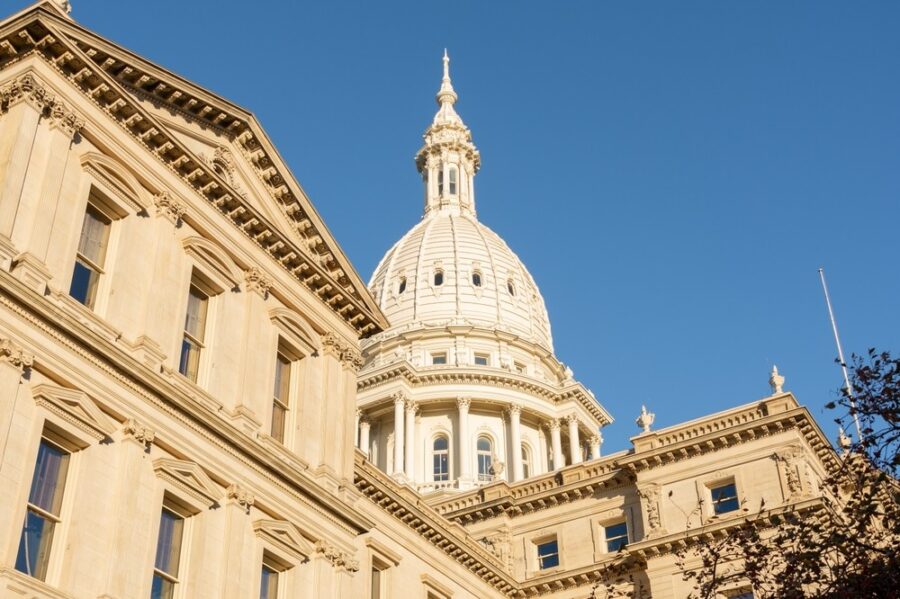
The US state of Michigan has issued cease-and-desist orders to 33 offshore online gambling platforms, by the Michigan Gaming Control Board (MGCB), for offering their services to Michigan residents without the required state gambling licenses.
According to the MGCB, the gambling websites were found to be providing casino-style games, sweepstakes-style games and sports betting without the state authorization required to operate legally in Michigan.

The gambling regulator also warned that those who had registered for the state’s self-exclusion program can still access these offshore platforms.
Licensed operators in Michigan must comply with the state’s Internet Gaming and Sports Betting Responsible Gaming Database, which allows individuals to ban themselves from gambling online.
Offshore operators are not subject to the same requirements, which means self-excluded users can still open accounts, make deposits, and make wagers on their sites.

Unlicensed websites lack state-mandated responsible gambling tools like deposit limits, and players may have limited options if their winnings are withheld or their account is shut down. These platforms are also not subject to the same state oversight of game fairness and data protection.
The offshore gambling companies targeted by the MGCB include BitofGold, Cryptoplay, Donbet, Exclusive Casino, iWild Casino, JacksPay, L0tt0, Lucky Charm Sweep, mBit Casino, Raging Bull Slots, Regal Casino and Sportsbook, Slot Paradise, Sloto’Cash Casino, Stardust and The Online Casino.
Operators that fail to comply with Michigan’s gambling laws may face further action involving the state’s Department of Attorney General.

The action follows an earlier MGCB enforcement effort announced in April this year, when the regulator sent cease-and-desist letters to 45 offshore gambling operators over four months.
It also follows similar action from other US states, including Arizona, which sent cease-and-desist letters to five online operators over alleged illegal gambling in July this year.
Charlotte Capewell brings her passion for storytelling and expertise in writing, researching, and the gambling industry to every article she writes. Her specialties include the US gambling industry, regulator legislation, igaming, and more.

Dig Deeper
Related stories
 2025/07/04: Michigan gaming regulator targets 19 illegal igaming sites
 2025/02/13: Michigan Gaming Control Board issues nine cease-and-desist letters
 2026/07/14: Michigan regulator approves DraftKings multi-state poker launch
 2025/03/06: Michigan Gaming Control Board issues five cease-and-desist letters to offshore operators
2025/07/04: Michigan gaming regulator targets 19 illegal igaming sites
2025/02/13: Michigan Gaming Control Board issues nine cease-and-desist letters
2026/07/14: Michigan regulator approves DraftKings multi-state poker launch
2025/03/06: Michigan Gaming Control Board issues five cease-and-desist letters to offshore operators
The Backstory
Michigan’s enforcement drive has widened through 2025
Michigan’s latest move against 33 offshore gambling platforms is part of a broader enforcement campaign that has accelerated through 2025 as the state seeks to protect one of the largest regulated online gambling markets in the U.S. The Michigan Gaming Control Board has repeatedly targeted websites it says are offering casino-style games, sports betting or sweepstakes-style gambling without state licenses, arguing that unregulated operators expose residents to financial risk while avoiding the consumer safeguards imposed on legal platforms.
The new letters build on a series of actions that have steadily expanded in scope. Earlier this year, the regulator moved against smaller batches of offshore and unlicensed websites before escalating to larger sweeps. In July, the agency said it had sent notices to 19 operators in what was then described as its most extensive action against illegal iGaming, according to a previous Complete iGaming report on Michigan’s 19 illegal iGaming sites. That action covered platforms such as Ignition Casino, Jackpot Capital, Red Stag Casino, Café Casino and Eclipse Casino, with the board warning that additional sites including BoVegas Casino and BUSR were under investigation.
The latest list, which includes operators such as BitofGold, Cryptoplay, Donbet, Exclusive Casino, iWild Casino, JacksPay, mBit Casino, Raging Bull Slots and The Online Casino, shows the regulator is not limiting its attention to a single business model. Michigan officials have treated offshore casinos, sports betting brands and sweepstakes-style sites as part of the same problem when they accept Michigan customers without authorization.
Consumer protection is central to the state’s case
The enforcement campaign has been framed less as a jurisdictional dispute and more as a consumer protection issue. The MGCB has repeatedly said unlicensed sites do not have to follow Michigan’s responsible gambling, withdrawal, fairness, cybersecurity and complaint-handling standards. That matters in a state where legal operators must participate in the Internet Gaming and Sports Betting Responsible Gaming Database, which allows people to exclude themselves from online gambling.
Offshore operators are not connected to that system. As a result, a person who has self-excluded from licensed Michigan sites may still be able to create an account, deposit funds and wager on an unlicensed platform. That gap has become a recurring argument for enforcement, especially as illegal operators often market products that look similar to regulated online casinos or sportsbooks.
The regulator has also pointed to payment and withdrawal practices as a risk. In a prior action involving nine cease-and-desist letters, the board said some sites offered deposit methods such as credit cards, PayPal and cryptocurrency but imposed restrictive playthrough or minimum-withdrawal conditions before players could access winnings. The agency argued that residents may have limited recourse if an offshore operator withholds funds, closes an account or changes terms without meaningful oversight.
The American Gaming Association’s estimate, cited by Michigan officials in that earlier action, put annual U.S. wagers with illegal and unregulated operators at more than $510 billion and lost tax revenue at about $13.3 billion. Those figures help explain why Michigan’s campaign has financial as well as consumer stakes: Every dollar wagered offshore is activity outside the state’s licensing, tax and responsible gambling structure.
Legal tools give the board leverage
Michigan’s notices rely on several state laws, including the Lawful Internet Gaming Act, the Lawful Sports Betting Act, the Michigan Gaming Control and Revenue Act and the Michigan Penal Code. The MGCB has said illegal gambling businesses can face serious penalties, including fines of up to $100,000, prison terms of up to 10 years or both, depending on the violation.
The cease-and-desist letters typically give operators 14 days to stop serving Michigan customers. If they do not comply, the board has said it can work with the Michigan Department of Attorney General to pursue further action. That approach has appeared consistently in recent enforcement waves, including the earlier notices sent to five offshore operators such as BetWhale Casino, Black Lotus Casino, Coins Game Casino, Love2play Casino and Orion Stars 777 Player.
That February action followed a January notice to MyBookie.ag and additional warnings to 10 operators, signaling that the regulator was building a rolling enforcement program rather than relying on isolated announcements. The pattern suggests Michigan is attempting to make continued access to its market more costly for offshore brands by increasing the probability of public identification and legal referral.
The state’s strategy also mirrors activity elsewhere. Arizona sent cease-and-desist letters to five online operators in July over alleged illegal gambling, while other states have scrutinized sweepstakes casinos, offshore sportsbooks and gray-market wagering products. Michigan’s importance, however, is amplified by the size of its legal iGaming sector and the maturity of its regulatory framework.
A large legal market sharpens the contrast
Michigan is not simply trying to suppress offshore gambling. It has also continued to expand lawful online gaming under state supervision. The contrast is visible in its treatment of licensed operators, which are permitted to innovate and grow when they satisfy regulatory requirements.
In July, the MGCB approved DraftKings to launch multi-state online poker in Michigan through its partnership with the Bay Mills Indian Community. That approval allowed Michigan players to compete with players in New Jersey and Pennsylvania, as described in Complete iGaming’s report on DraftKings’ multi-state poker launch. The state joined the Multi-State Internet Gaming Agreement in 2022, allowing licensed platforms to combine poker liquidity across participating states.
That legal expansion reinforces the board’s central argument: Michigan is open to online gambling, but only when operators meet requirements for licensing, fairness, security and player protection. In May, online gaming in the state generated $293.45 million in adjusted gross receipts, up 24.2% from a year earlier. A market of that scale gives the regulator a strong incentive to protect tax revenue and maintain confidence among licensed operators that they are not competing against companies avoiding the same rules.
Prediction markets broaden the boundary fight
The MGCB’s enforcement posture has also extended beyond traditional offshore casinos and sportsbooks. Its dispute with prediction market operator Kalshi shows how the state is trying to define the boundary between financial products, event contracts and gambling. In June, the regulator announced a temporary restraining order barring Kalshi from offering what it called unlicensed internet sports betting to Michigan residents.
The conflict deepened when the board cut ties with the National Council on Problem Gambling over its Kalshi partnership. The NCPG had accepted a $2 million, two-year investment from Kalshi to support trader health and safety initiatives, while saying it maintained a neutral position on the legality of specific products. Michigan objected, saying it did not want to be associated with organizations affiliated with companies it viewed as engaged in illegal gambling.
That episode underscores the broader stakes behind the offshore enforcement campaign. Michigan is not only chasing individual websites. It is defending a regulatory perimeter around gambling products offered to residents, whether those products are branded as casinos, sweepstakes, sports betting or trading. The latest 33 letters fit that effort by signaling that access to Michigan customers requires Michigan authorization, and that operators outside the system will continue to face public enforcement pressure.
