
Indiana lawmakers target sweepstakes casinos with new bill

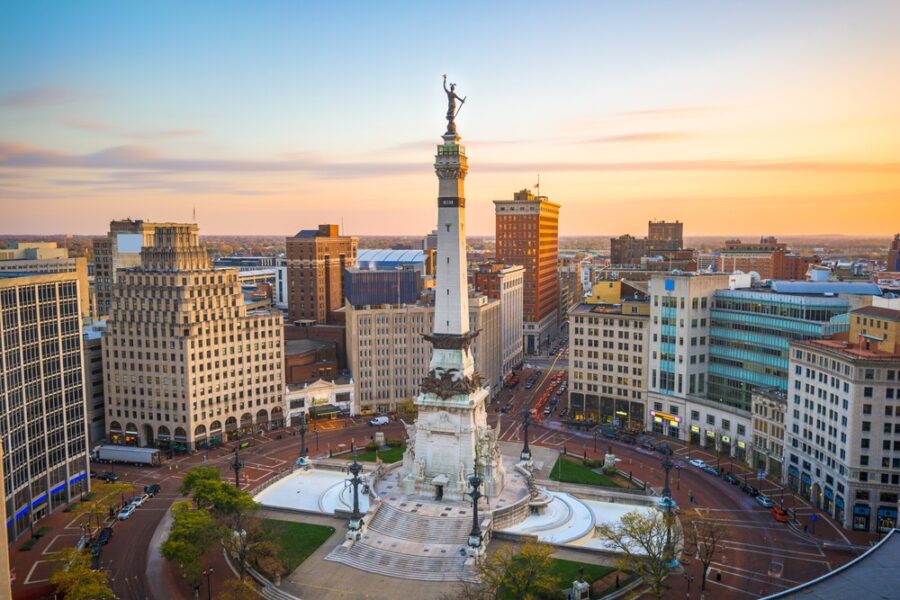
Indiana has become the latest state to look at restrictions on sweepstakes casinos, as lawmakers consider House Bill 1052, introduced by Rep. Ethan Manning.
The bill would impose civil and criminal penalties on operators of social casinos that use dual-currency systems and offer cash prizes, while offering casino-style games such as slots, table games, bingo, and sports wagering. This definition would encompass most popular sweepstakes sites.
Operators found in violation of the law could face fines of up to US$100,000. The proposal, however, would not affect traditional sweepstakes that offer non-cash rewards, such as toys or candy.
Despite Indiana’s legislature being in session, HB 1052 has not yet been scheduled for debate, but it reflects a broader national movement. Earlier this year, California Governor Gavin Newsom signed Assembly Bill 831, which will ban sweepstakes casinos, effective January 2026.
New York has enacted its own restrictions, signed last week by Governor Kathy Hochul, and Florida is set to consider a similar bill in March 2026.

For now, the platforms remain widely available across much of the country, and with limited alternatives, since real-money online casinos are legal in only seven states, they are likely to retain some popularity.
Yet, if more states follow the examples of California and New York, the sweepstakes casino landscape could shift dramatically in the coming months.
Charlotte Capewell brings her passion for storytelling and expertise in writing, researching, and the gambling industry to every article she writes. Her specialties include the US gambling industry, regulator legislation, igaming, and more.

Verticals:
Sectors:
Topics:
Dig Deeper
Related stories




The Backstory
How Indiana arrived at a sweepstakes showdown
Indiana’s move to police sweepstakes casinos did not come out of nowhere. The state has been tightening rules around gray-area gambling services while debating how, and whether, to expand regulated online play. Lawmakers this session advanced a bill to curb online lottery couriers, sending Senate Bill 94 to the governor after an 82-10 House vote. The measure bars unapproved courier services and directs the State Lottery Commission to set rules for bulk purchases, positioning Indiana to head off the arrival of companies like Jackpocket or Lotto.com before they gain traction.
At the same time, some policymakers want to open a fully regulated online casino market. Representative Ethan Manning, who is also sponsoring the sweepstakes crackdown, filed House Bill 1432 to legalize online casinos through partnerships with riverboat and racetrack operators. The proposal would set a license fee of $500,000 and establish a tiered tax rate, with requirements to fund responsible gambling programs and send a share of tax revenue back to host communities. That dual track — restricting unregulated offerings while creating a pathway for licensed ones — frames the current debate over sweepstakes casinos that operate outside the state’s gaming system.
Supporters of a clampdown argue dual-currency social casinos mimic the experience of regulated iGaming without licensing, consumer protections or tax contributions. Opponents say the products are lawful sweepstakes, not gambling, and give adults an entertainment option in states that bar real-money online casinos. Indiana sits at the center of that clash because it is weighing both a ban and legalization in the same session, with the outcome likely to influence how many residents shift to sanctioned platforms or stay with sweepstakes that remain accessible across much of the country.
Crackdowns spread from coast to coast
Indiana is moving in step with a broader national trend. New Jersey advanced a prohibition after its Tourism, Gaming and Arts Committee approved A5447, a bill to bar social casinos that use virtual currencies redeemable for cash. The measure empowers the Division of Consumer Affairs and the Division of Gaming Enforcement to enforce penalties, with state officials arguing that unregulated gaming exposes players to financial risk and undermines the constitutional framework for gambling. The hearing underscored the core complaint from licensed operators: sweepstakes sites exploit legal loopholes to replicate casino play without participating in the state’s licensing, taxation or oversight regimes.
Momentum has not been uniform. New Jersey’s push followed a failed attempt in Florida earlier in the week, signaling that political coalitions around sweepstakes are not settled. But the direction of travel is clear in several markets. As more states spell out that dual-currency models fall on the wrong side of their gaming rules, pressure increases on remaining jurisdictions to pick a side — either to create a regulated space for online casinos or to wall off sweepstakes and similar products altogether.
Maine’s “loophole” fight highlights tribal and market pressures
Maine offers a glimpse of how sweepstakes rules intersect with exclusive gaming rights and emerging markets. The Department of Public Safety introduced a proposal to ban unregulated wagering platforms that use dual currencies, positioning it as a move to protect the state’s regulated sportsbooks and clamp down on federal sweepstakes claims. The bill would levy fines up to $100,000 on violators and reflects mounting tension with prediction markets and new tech entrants. Lawmakers are weighing the measure alongside the recent debut of a sports-adjacent product, with Fanatics launching a markets app as prediction platforms Kalshi and Polymarket draw scrutiny elsewhere.
The debate in Augusta is closely tied to sovereignty and market share. Maine’s federally recognized tribes hold exclusive sports betting rights through partnerships with DraftKings and Caesars, heightening concern about unregulated competitors siphoning wagers. Representative Laura Supica, who chairs the Veterans and Legal Affairs Committee, framed the initiative as closing gaps in the law and getting ahead of online betting’s growth curve, according to coverage of the bill. The state’s approach mirrors Indiana’s calculus: shore up the licensed market, prevent consumer confusion and decide whether gray-area products erode the value of a regulated model.
Industry lines up behind regulation, not workarounds
Pushback from content suppliers has hardened. Swedish slots developer Play’n Go said it will not provide games to sweepstakes operators, reiterating its stance that it only works in regulated markets. The company cast dual-currency casinos as operating in a gray zone and argued they threaten a system that prioritizes player protections and returns tax revenue to jurisdictions. In announcing its position, Play’n Go cited litigation against sweepstakes platforms in multiple states and drew a straight line from game design choices to regulatory outcomes — a case for industry-led discipline that aligns with state enforcement efforts.
The company’s posture, outlined in its statement, matters because content libraries are a key draw for players. If major studios refuse to power sweepstakes sites, those platforms may struggle to match the quality and variety of licensed casinos. That dynamic could accelerate migration toward regulated alternatives in states that legalize iGaming, or intensify pressure on sweepstakes firms to test the limits of the law in jurisdictions that stay closed.
Legalization and enforcement advance on parallel tracks
The next phase may hinge on whether states pair crackdowns with new legal options. Wyoming joined Indiana in introducing a 2025 iGaming bill that would authorize up to five operators under the oversight of the state gaming commission. The proposal, HB 162, sets a $100,000 approval fee and favors companies already live in at least three of the seven states that currently allow online casinos. That preference could speed deployment and ensure experienced operators enter the market first, bolstering compliance and tax receipts.
Indiana’s legalization bill envisions revenue sharing with host communities and earmarks for problem-gambling programs, a familiar template designed to broaden political support. Whether that package moves in tandem with a sweepstakes ban will determine how quickly consumers see regulated alternatives. If a prohibition arrives without legal iGaming, players may stick with social casinos or migrate to offshore sites. If both policies advance, the state would test whether a regulated market can outcompete unregulated products when enforcement is clear and content pipelines favor licensed platforms.
What to watch as states draw the lines
Three signals bear watching. First, enforcement tools: New Jersey’s plan to give both consumer protection and gaming regulators authority hints at a multiagency model other states could adopt. Second, supplier behavior: More studios could follow Play’n Go in refusing sweepstakes deals, tightening the screws on content access. Third, legislative sequencing: Indiana’s dual push — curbing couriers, contemplating iGaming and scrutinizing sweepstakes — suggests states will bundle policy moves to balance market growth with guardrails.
Taken together, these steps point to a maturing online gambling map. States that define and police sweepstakes casinos are staking out the regulatory perimeter, while legalization bills sketch what a compliant market looks like. The stakes are straightforward: consumer protections, tax revenue and control over the shape of online play. The timeline now depends on committee calendars, floor votes and whether lawmakers choose the carrot of regulated access alongside the stick of enforcement.


