


Gamecheck offers iGB Live attendees one-month free game authentication

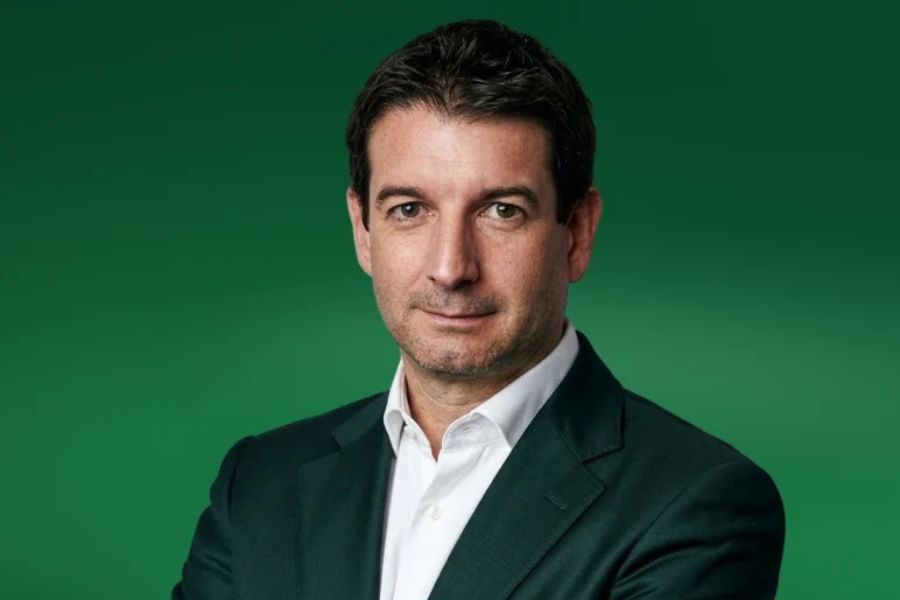
Game verification platform Gamecheck is offering operators that visit its stand at iGB Live one-month free access to its authentic games seal.
The independent verification provider will also be the headline sponsor of the Sustainable Gambling Zone at iGB Live London on 1-2 July at Excel London, having sponsored the same arena at ICE Barcelona in January.

Gamecheck enables players to identify fake games by checking the authenticity of content through its free mobile app. It also enables operators to display the Gamecheck Seal, a visible hallmark guaranteeing the provision of authentic games.
“To mark our sponsorship, any operator who visits the Gamecheck stand SGZ-2 across either day of iGB Live will receive one month of the Gamecheck Seal completely free, with no further commitment required,” said founder James Elliott. “It’s a chance to see exactly what the Seal does, how players interact with it, and what it looks like to signal fair play from your homepage.”
Elliott said the business has already detected 8,500 fake games across the platforms its monitors. Having conducted over 450,000 random checks and processed more than 85,000 verification requests, it has verified over 67,000 brands. The app has more than 197,000 users to date, across jurisdictions including the UK and Brazil.

The Gamecheck Seal has been developed in the hope it will evolve into an industry standard, comparable to responsible gambling certifications or ISO compliance frameworks.
“Operators understand the reputational risk; regulators are increasingly asking about verification; and players are more-savvy than they used to be,” Elliott noted. “As for whether the threat is increasing, the online gambling industry is projected to reach US$151.9 billion by 2028. That rapid expansion has led to a surge in fake games spreading across the internet.”
Meanwhile, Clarion Gaming’s World Gaming Managing Director Stuart Hunter highlighted the wider role of the Sustainable Gambling Zone at iGB Live London, promising it would be “the largest and most prominent we’ve ever delivered.”

Dig Deeper
Related stories
 2026/01/06: Gamecheck to be headline sponsor of Sustainable Gaming Zone at ICE Barcelona
 2025/06/11: Former F1 Team Principal Claire Williams announced as iGB Live keynote
 2026/07/29: NordVPN uncovers criminal network hijacking brands to redirect to illegal gambling sites
 2025/01/17: Flutter to sponsor Sustainable Gambling Zone at ICE Barcelona
2026/01/06: Gamecheck to be headline sponsor of Sustainable Gaming Zone at ICE Barcelona
2025/06/11: Former F1 Team Principal Claire Williams announced as iGB Live keynote
2026/07/29: NordVPN uncovers criminal network hijacking brands to redirect to illegal gambling sites
2025/01/17: Flutter to sponsor Sustainable Gambling Zone at ICE Barcelona
The Backstory
Fake games move into the compliance conversation
Gamecheck’s offer of a one-month free authentication seal at iGB Live is a commercial promotion, but it also reflects a wider shift in how the online gambling industry is defining player protection. The company is positioning game verification alongside safer gambling tools, arguing that players cannot make informed choices if they cannot confirm whether a game is genuine, fairly implemented or tied to an authorized supplier.
The timing matters. Online gambling continues to expand across regulated and gray markets, increasing the value of trusted brands and recognizable game titles. That growth has created more opportunities for cloned games, misleading content and unauthorized implementations that mimic legitimate products. For operators, the risk is no longer limited to intellectual property disputes. A fake or manipulated game can undermine consumer trust, invite regulatory scrutiny and damage relationships with suppliers whose content has been copied or altered.
Gamecheck has been building its case around that reputational and regulatory exposure. Its mobile app lets players check the authenticity of games, while its seal gives operators a way to display verification to customers. The company says it has already detected thousands of fake games and processed tens of thousands of verification requests, using those figures to argue that authentication should become part of standard operating practice rather than a niche anti-fraud service.
ICE Barcelona gave Gamecheck a bigger platform
The London campaign follows Gamecheck’s earlier move to attach itself to one of the sector’s most visible safer gambling forums. In January, the company was named headline sponsor of the Sustainable Gambling Zone at ICE Barcelona, placing game authentication inside a conference area more commonly associated with harm prevention, affordability checks, lived-experience discussions and regulatory debate.
That sponsorship was significant because it broadened the definition of sustainable gambling. Gamecheck founder James Elliott framed fake games as a threat to the industry’s integrity and legitimacy, not just as a commercial problem for suppliers. The argument was that player protection includes proof that the gambling product itself is legitimate. If an operator cannot demonstrate that its games are authentic, then responsible gambling messaging sits on a weaker foundation.
ICE also gave Gamecheck access to a cross-section of operators, platforms, content providers and regulators. That audience is central to the company’s ambitions. Authentication products depend on network effects: the more operators and suppliers participate, the more recognizable a verification standard becomes for players. The company’s stated goal is to make its seal comparable to other industry marks of trust, including compliance certifications and responsible gambling accreditations.
iGB Live’s London debut raises the stakes
iGB Live’s first London edition gives Gamecheck another chance to turn that argument into adoption. The event’s move to ExCeL London has been promoted as a way to put operators, affiliates, suppliers and regulatory stakeholders in the same room at a time when the sector is facing tougher questions about transparency, market growth and consumer confidence.
The program around the event also points to a broader industry effort to connect operational performance with governance. Former Williams Formula One executive Claire Williams was announced as the event’s keynote speaker in a session on the parallels between F1 and igaming. Her appearance is intended to highlight lessons from a data-intensive, highly regulated and intensely competitive business. Complete iGaming reported that Claire Williams will keynote iGB Live, with the discussion set to focus on leadership, innovation, agility and performance culture.
That framing is relevant to Gamecheck’s pitch. Authentication is not only a defensive tool. It is also a data and trust product, designed to help operators show that their platforms are controlled, monitored and differentiated from black-market or counterfeit alternatives. In a crowded igaming market, the ability to demonstrate verified content could become part of how operators compete for players, payment providers, suppliers and regulators.
Regulated-market growth sharpens scrutiny
The push for verification comes as regulated online gambling markets continue to produce large revenue totals, reinforcing both the commercial prize and the need for oversight. In the U.S., state-by-state reporting shows how quickly digital gambling has become a material revenue source for operators and governments.
Michigan offers one example. Complete iGaming reported that Michigan igaming revenue rose 9.3% month-on-month in March, with online gaming gross receipts reaching US$260.5 million. That growth came under the supervision of the Michigan Gaming Control Board, highlighting the role of regulators in tracking performance, licensing participants and maintaining consumer protections in a mature online casino market.
Sports betting shows a similar pattern in newer markets. In North Carolina, Complete iGaming reported that sports betting revenue more than doubled month-on-month in January, generating US$74.5 million in gross wagering revenue. The state applies an 18% tax on gross wagering revenue, with proceeds supporting gambling addiction education and treatment programs and amateur sports.
Those figures illustrate why regulators are unlikely to tolerate weak controls around digital gambling products indefinitely. As tax receipts grow, so does public accountability. States and national regulators that approve online gambling are expected to show that legal markets are safer than offshore or illegal alternatives. That expectation strengthens the business case for tools that help identify counterfeit content, unauthorized suppliers and misleading implementations.
Brand licensing adds another layer of risk
The industry’s product mix is also becoming more complex. Major entertainment and sports brands are moving deeper into casino-style formats, particularly through social casino and free-to-play products. Aristocrat Leisure’s Product Madness recently launched NFL Super Bowl Slots, a free-to-play social casino game developed with the National Football League and the NFL Players Association.
That kind of licensing deal shows how valuable authenticity has become. The NFL product is built around official team branding, player association rights, NFL Films footage and recognizable casino mechanics. For legitimate developers, those assets create differentiation. For bad actors, they create incentives to copy logos, themes, game structures or promotional claims in ways that confuse players.
As more mainstream brands enter social casino, online casino and adjacent gaming formats, the cost of counterfeit content rises. Rights holders need confidence that their intellectual property is protected. Operators need confidence that the games they offer are authorized. Players need a clear way to distinguish legitimate products from imitations. Gamecheck’s seal is aimed at that intersection of compliance, brand protection and consumer trust.
From exhibition offer to possible standard
The free-month offer at iGB Live is designed to lower the barrier to trial. Operators can test how the seal appears on their platforms, how players interact with it and whether verification messaging supports trust. For Gamecheck, the promotion also provides a way to convert conference visibility into measurable adoption.
The larger question is whether game authentication can become a routine part of regulated online gambling. Responsible gambling tools, licensing disclosures, payment checks and technical certifications have become expected features in many markets. Gamecheck is betting that proof of game authenticity will follow a similar path as fake content becomes more visible and regulators ask harder questions about platform integrity.
If that happens, the company’s sponsorships at ICE Barcelona and iGB Live will look less like branding exercises and more like early steps in building an industry standard. The stakes extend beyond one verification provider. They go to whether legal igaming can maintain a clear distinction from the black market as the sector grows, brands become more valuable and players demand stronger proof that the games they are playing are real.
