


Colorado lawmakers move to ban prop bets on sports apps

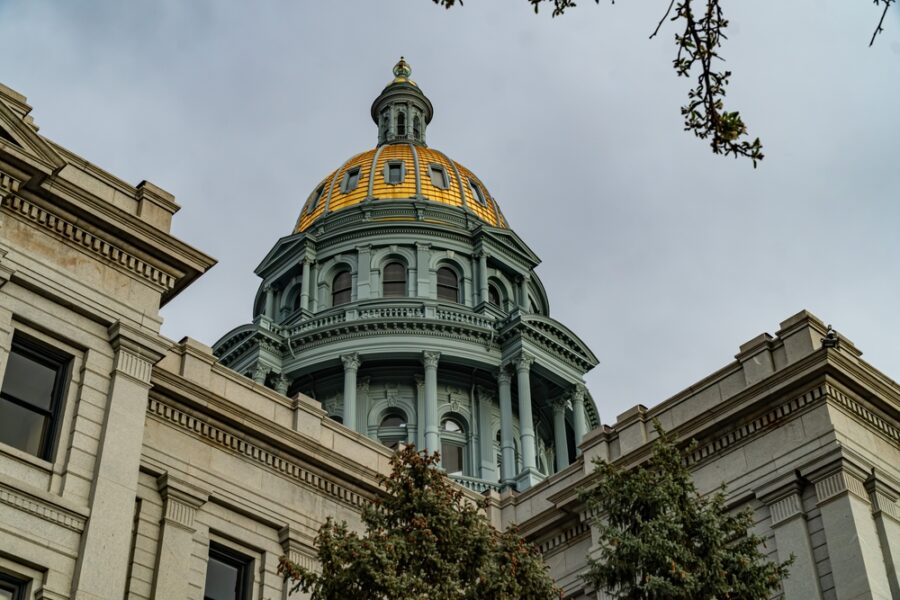
A bipartisan group of Colorado lawmakers has introduced a bill that would ban prop bets on individual athletes through sports betting apps.
The legislation, Senate Bill 26-131, would ban bets on specific player performances and ban the use of credit cards on sportsbooks like FanDuel and DraftKings. It would also limit the number of deposits bettors can make, restrict sports betting ads during daytime and evening hours, and ban push notifications that prompt users to place bets.

According to The Denver Post, lawmakers cite rising gambling addiction and integrity issues in professional sports as some of the reasons why the bill has been filed.
State Senator Matt Ball, who is co-sponsoring the bill with Senator Byron Pelton, added that the rapid growth of legalized sports betting has led to unintended consequences, including growing financial strain for some residents.
“Frankly, the more I looked into it the more I became really, really alarmed by everything that has happened as a consequence of legalized sports betting and, in my view, placing very few restrictions on it,” he said.

Colorado voters approved sports betting in 2019 after the US Supreme Court cleared the way for states to legalize it, and online sportsbooks launched in 2020.
Since then, wagering has climbed steadily, surpassing US$6 billion in 2025, but calls to the state’s problem gambling hotline have also increased, averaging about 350 per month last year.
Industry representatives have opposed the bill, arguing it could push bettors to unregulated platforms. Supporters, however, say the bill is designed to add safeguards, not undo voter-approved legalization.

This week, Utah lawmakers have also advanced a bill that would ban proposition betting.
Charlotte Capewell brings her passion for storytelling and expertise in writing, researching, and the gambling industry to every article she writes. Her specialties include the US gambling industry, regulator legislation, igaming, and more.

Dig Deeper
Related stories




The Backstory
Momentum builds behind tighter betting rules
Colorado’s move to outlaw player proposition bets on mobile sportsbooks is the latest turn in a fast-evolving push to narrow how Americans can wager. Lawmakers in Denver are targeting bets on individual athletes, curbs on push notifications and deposit limits, arguing the rapid rise of legal apps has outpaced guardrails. The debate has ricocheted across statehouses after several high-profile scandals and a surge in problem gambling complaints. Supporters frame the effort as a recalibration, not a reversal, of legalization that voters embraced five years ago. Opponents warn that sweeping bans could divert action to offshore books that do not verify age, honor limits or report suspicious activity.
The policy questions now extend well beyond which bets are on the board. Lawmakers are testing how far to go on advertising restrictions, funding for addiction services and whether to curb the promotional offers that turbocharged the market’s growth. The choices in Colorado will reverberate nationally as regulators, leagues and operators seek a balance between consumer demand and integrity risks.
Prop bets at the center of a national rethink
State and collegiate leaders have converged on proposition wagers as a particularly sensitive fault line. The NCAA escalated pressure on regulators after federal prosecutors charged dozens in a point-shaving and bribery scheme that allegedly touched more than a dozen Division I basketball programs. In calling on states to eliminate individual college player props, NCAA President Charlie Baker argued that these markets heighten threats to athlete welfare and game integrity. The association also urged tougher penalties for harassment of athletes and a formal channel to weigh in before certain betting markets are approved. That stance, outlined as the NCAA urges a ban on prop bets after new point shaving scandal, has given political cover for states tightening their books.
Even in non-gambling states, lawmakers are moving to define and restrict the space. In Utah, the Senate Business and Labor Committee voted unanimously to advance a bill that broadens the state’s constitutional ban to explicitly include proposition betting. The measure targets the types of wagers that national apps popularized and would keep them out of the state’s prediction markets debate. The development underscores how prop betting has become a flashpoint in states with and without legal sportsbooks, as detailed when Utah lawmakers advance bill to ban prop bets.
Massachusetts is also rethinking in-game action. A leading senator who supported legalization now proposes outlawing in-play prop bets and tightening ad rules, citing mounting public health concerns. The proposal, packaged as the “Bettor Health Act,” would require operators to double contributions to the public health trust fund to address gambling harms and would ban betting ads during live games. The policy turnabout, captured in Massachusetts lawmaker regrets vote to legalize gambling, wants to ban in-play prop bets, shows how quickly the politics of sports wagering can shift when addiction data and headline scandals collide.
Ohio’s split-screen politics on props
Few states illustrate the crosscurrents as vividly as Ohio. Gov. Mike DeWine has pressed regulators to remove prop bets in the wake of a Major League Baseball investigation and alleged threats to athletes, pointing to risks that granular markets pose to integrity. But legislative resistance is firm. Rep. Brian Stewart argues that prop bets draw significant consumer interest and tax revenue, and that adults should be free to choose how to wager. He has pledged to block an outright ban while signaling openness to revisiting college prop markets. The public rift, laid out in Ohio lawmaker opposes governor’s push to ban prop bets, highlights how statehouses are weighing revenue and personal freedom against enforcement challenges and athlete safety.
The stakes are not trivial. Ohio, Massachusetts and Colorado together generated hundreds of millions in tax receipts as legal markets matured. Yet each is now exploring measures that could trim handle in popular categories, especially during marquee events where in-game betting drives engagement. How regulators phase changes, and whether they differentiate between college and pro markets, will shape whether bettors migrate or adapt.
Advertising, credit and push alerts face scrutiny
Colorado’s bill goes beyond the bet slip. It would restrict daytime and evening ads, prohibit credit card funding and ban push notifications that nudge users to wager. Those proposals mirror a broader recalibration seen in other states as policymakers respond to saturation marketing and behavioral nudges that critics say exploit vulnerable users. Massachusetts’ plan to ban ads during live broadcasts and raise operator contributions to public health programs, as described in the Bettor Health Act proposal, tracks with that trend.
Industry groups counter that aggressive ad and payments limits can backfire by pushing consumers toward unlicensed sites with no spending controls or identity checks. They argue that legal books already deploy responsible gaming tools and integrity monitoring, and that a rules-heavy patchwork will confuse consumers and complicate enforcement. Lawmakers are testing whether narrow, high-risk markets and product features can be pared back without undermining the channelization gains that legalization sought.
Tax policy shapes the trade-offs
Colorado’s sports betting debate is also colliding with a separate tax question. A proposal to tax “free bets” and other promotional credits aims to steer more money into water projects, an urgent funding need in a drought-stressed state. Backers say the change would generate roughly $12 million annually and lift collections by about 30 percent for targeted programs. The measure reflects a broader national reappraisal of operator tax breaks and rate structures as markets mature and promotional spending normalizes, as outlined when Colorado lawmakers discuss taxing free sports bets.
Other states have already raised headline tax rates, with Illinois moving from 15 percent to 40 percent, and Ohio and Massachusetts also increasing takes. Those shifts show how quickly early growth assumptions can fade as states seek steadier revenue streams. If Colorado trims prop markets and pushes up effective tax burdens through promo deductions, operators may recalibrate marketing and pricing, changing how and where bettors engage. The policy sequencing matters: ad and product restrictions that reduce growth, paired with higher effective taxes, could compress margins and shrink legal market share.
The next phase will test whether targeted limits can reduce harm while preserving a regulated market that funds public priorities. With the NCAA leaning on regulators, Utah tightening definitions despite its gambling ban, and Ohio divided over the fate of props, Colorado’s choices will signal how a leading market balances integrity, health and revenue in a decisive year for U.S. sports betting.
