


Arizona warns consumers about prediction market apps

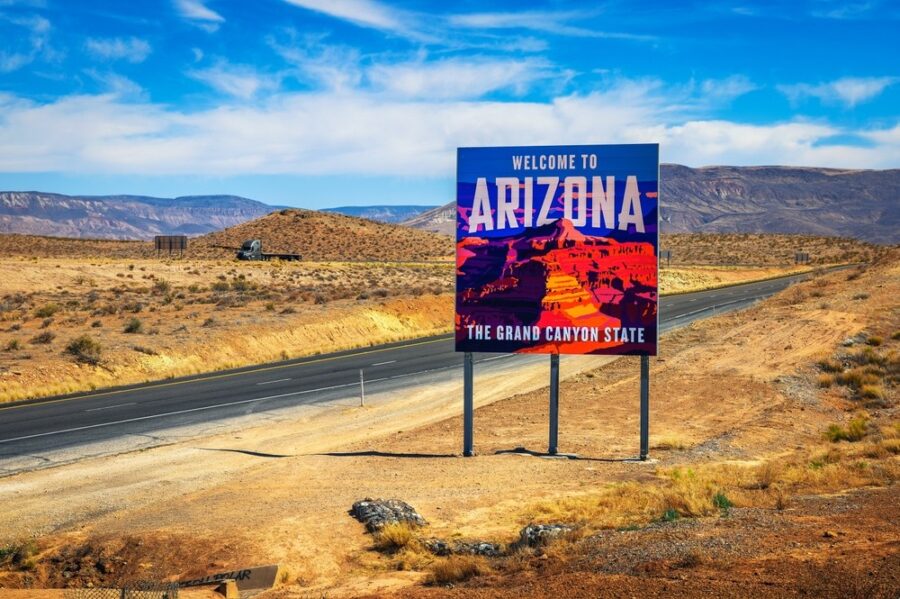
Arizona regulators have raised concerns about prediction market platforms that allow users to place bets on real-world events, warning that they can pose gambling-like risks without the safety nets.
The platforms allow people to buy and sell contracts tied to future outcomes, such as election results, government actions, or sporting performances. Some platforms even offer markets on whether certain phrases will appear in political speeches or whether specific legislation will pass.

According to 13 News, Suzanne Trainor of the Arizona Department of Gaming worries the platforms don’t play by the rules.
“What we do know is that we’re not seeing the same protections for responsible gaming and for gambling in terms of the licensed sports books that do exist. They’re playing by the rules. They’re licensed by our office. These prediction markets are not working by the same rules, the same framework as others,” she said.
Arizona is not the first state to raise concerns about platforms like Kalshi and Polymarket.

More than 10 states across the country, including Arizona, have issued cease-and-desist orders or filed similar legal objections to the presence of these platforms in their jurisdictions.
Gambling regulatory bodies argue that what they offer is gambling without a license, whereas the platforms say they fall under federal oversight and that states should not be able to get involved.
For now, Arizona has not enforced any legal action and has urged consumers to understand the differences between licensed sports betting operators and prediction market platforms. Trainor also said that the state is not opposed to prediction markets, but wants them under state gambling laws.
Charlotte Capewell brings her passion for storytelling and expertise in writing, researching, and the gambling industry to every article she writes. Her specialties include the US gambling industry, regulator legislation, igaming, and more.

Dig Deeper
Related stories
 2025/11/25: What does the future hold for prediction markets after big players break from AGA?
 2025/05/31: Prediction markets are gaming’s next big shortcut to 50-state access
 2026/07/22: US Congress questions whether CFTC is fit to oversee prediction markets
 2026/04/14: Federal judge grants Kalshi a temporary win in Arizona
2025/11/25: What does the future hold for prediction markets after big players break from AGA?
2025/05/31: Prediction markets are gaming’s next big shortcut to 50-state access
2026/07/22: US Congress questions whether CFTC is fit to oversee prediction markets
2026/04/14: Federal judge grants Kalshi a temporary win in Arizona
The Backstory
Why Arizona is sharpening its message
Arizona’s consumer warning on prediction market apps lands after months of stepped-up enforcement against unlicensed online gambling and a broader reassessment of where event contracts fit in state gambling law. In August, the Arizona Department of Gaming issued cease-and-desist orders against four unlicensed online operators, saying the sites posed consumer protection risks and could constitute felony criminal enterprises. The regulator framed those actions as part of a campaign to stop illegal gambling that masquerades as sweepstakes or skill contests, and to push consumers toward licensed sportsbooks that comply with responsible gaming rules.
The new consumer alert zeroes in on prediction markets that let users trade contracts on real-world outcomes, from elections to sports and policy decisions. The state’s concern is that these look and function like gambling products without the guardrails required of licensed operators. That distinction was central to Arizona’s earlier crackdown, where officials warned that app store availability and national branding do not make a platform legal to use in the state. The push is also a signal to operators that any product behaving like a wager will likely be treated as such unless it is offered under Arizona’s licensing framework.
The timing reflects a market moment. Prediction platforms are expanding quickly, advancing the argument that event contracts are federally regulated financial instruments rather than wagers subject to state gaming laws. Arizona’s approach, for now, is to educate consumers while reserving the right to escalate. The department has said it is not opposed to prediction markets in principle, but wants them to operate within state gambling statutes.
States draw a hard line on event contracts
Arizona is not acting in isolation. Regulators in other states are moving to clarify that event contracts are wagers when they touch sports or other outcomes familiar to sportsbooks. In Nevada, the Gaming Control Board circulated a notice clarifying that sports event contracts are wagers, requiring a full sports pool license to offer them in the state. The guidance applies even if contracts are listed on federally regulated exchanges, a direct response to firms leaning on Commodity Futures Trading Commission permissions to justify their offerings. The Nevada notice warned licensees against partnering with unapproved event markets, saying such ties could raise suitability questions under the Gaming Control Act.
That position matters beyond Nevada’s borders. It signals that traditional gaming regulators are prepared to enforce their definitions of wagering against novel contract structures, whether the underlying event is an Oscars ceremony, the World Series of Poker or an election. It also complicates multistate strategies for prediction market firms, which must now navigate a patchwork of prohibitions and licensing expectations that diverge from federal permissions.
Tribal interests escalate the fight in California
While state regulators shape policy, tribal nations are turning to the courts. In California, tribal gaming leaders argue prediction market apps encroach on tribal sovereignty and revenue, posing a greater threat than daily fantasy sports. The California Nations Indian Gaming Association has sounded the alarm as three tribes filed a federal lawsuit to block Robinhood and Kalshi from operating in the state. As reported, tribes accuse the companies of offering unauthorized sports betting products, including on tribal lands, and seek financial damages.
The complaint challenges the notion that sports event contracts are benign financial instruments. Kalshi, which launched sports contracts this year, has posted heavy volumes around tentpole events such as March Madness, while Robinhood moved into NFL and college football contracts through a partnership. The companies maintain they operate federally regulated markets with prices set by buyers and sellers, not bookmakers. But tribes say the activity is plainly wagering under California law. A key hearing is set for Oct. 23 in San Francisco, with both sides warning of irreparable harm if they lose. The case carries stakes beyond California, because a ruling that aligns event contracts with sports betting could embolden other jurisdictions to limit or license similar products.
Federal paths attract crypto and fintech players
The state-level resistance contrasts with a growing list of firms embracing federal derivatives routes to build prediction products. Kraken’s move is a case in point. The crypto exchange confirmed a US$100 million purchase of the CFTC-licensed Small Exchange, positioning itself for a United States-native derivatives platform. The company signaled it is eyeing prediction markets, joining operators that see opportunity in federally supervised event contracts. As detailed, Kraken’s acquisition lays groundwork for spot, futures and margin trading under federal oversight, even as states assert authority over anything resembling wagering.
The attraction is clear: a CFTC framework can offer national scale and regulatory clarity for certain products. Kalshi has pushed into sports under that model and is now testing the limits of state tolerance. Other firms, including a daily fantasy sports operator via an NFA-approved subsidiary and a revived sports betting exchange bid to become a designated contract market, are pursuing similar paths. The divergence between federal permissions and state prohibitions is driving legal risk. Nevada’s guidance, Pennsylvania’s scrutiny and tribal litigation in California form a countercurrent that prediction markets must resolve if they want to access U.S. retail users without state-by-state clashes.
Arizona’s regulated market expands alongside scrutiny
Amid warnings and enforcement, Arizona’s legal market continues to grow. Betting data supplier Beter secured an Event Wagering Supplier License, allowing it to bring esports and table tennis content to the state. The approval underlines how the market remains open to licensed entrants that play by the rules. As Beter’s chief executive framed it, Arizona is a pivotal step in a broader U.S. expansion strategy. The development, reported in Beter licensed to enter Arizona gambling market, also highlights the contrast regulators are drawing: innovation is welcome when it fits the licensing architecture, but products that function like wagers without authorization will face pushback.
That balance is central to Arizona’s message on prediction markets. The state is not closing the door on event contracts; it is insisting they run through the same consumer protection, auditing and integrity standards that govern sports betting. For platforms seeking Arizona users, the path to legitimacy likely runs through state licensure or partnerships with approved operators. For consumers, the takeaway is straightforward: the safest options are those supervised by the Department of Gaming, not unregulated apps that blur the line between trading and betting.
The stakes as lines blur
What happens next will turn on courts and commissions. A ruling in California could reshape how companies market event contracts nationwide. Additional state guidance, on the model of Nevada’s notice, would tighten definitions and constrain gray-area offerings. And if more crypto or fintech players follow Kraken into federally licensed markets, the friction between Washington and state capitals will intensify. Arizona’s backstory shows why the conversation is shifting from whether prediction markets are novel to whether they are regulated. With consumer protection, tribal sovereignty and regulatory consistency on the line, the industry’s next moves will determine whether prediction apps become part of the licensed ecosystem or remain targets for warnings and lawsuits.
