


Sports Betting Alliance calls for more online sportsbooks in Rhode Island

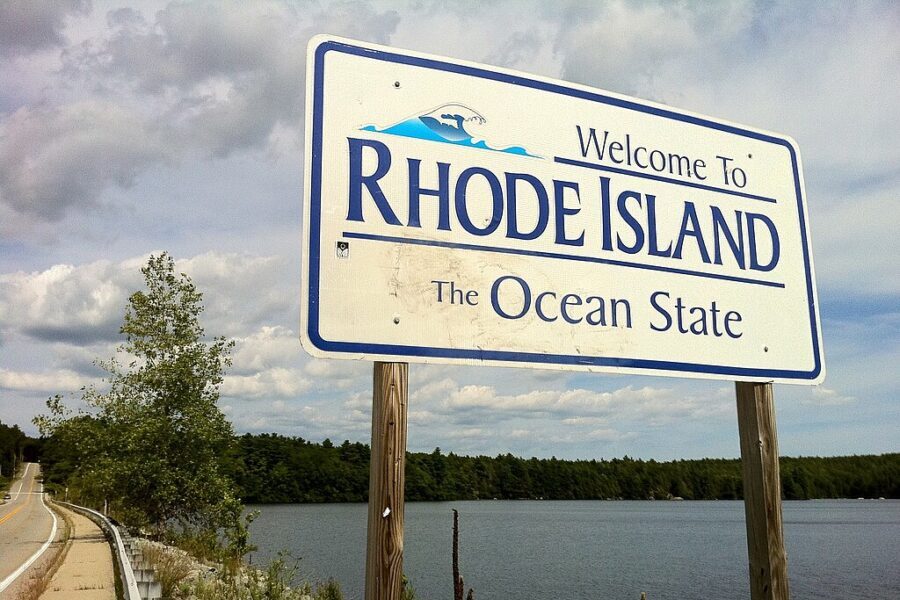
Sports betting operators are seeking to enter Rhode Island’s online market, arguing that limits on the number of licensed platforms are sending betting activity and potential state revenue to neighbor states.
The Sports Betting Alliance – which represents BetMGM, DraftKings, FanDuel and Fanatics – said nearly 103,000 Rhode Island accounts placed more than 4.2 million bets in Massachusetts, Connecticut and New York between July 2025 and July 2026, according to NBC 10 (WJAR).

Online bettors must be physically located within the state where they place their wagers.
“Every one of the 4.23 million bets” Rhode Islanders placed out of state is revenue that could have stayed in Rhode Island, said Sports Betting Alliance President and CEO Joe Maloney.
IGT-operated SportsBook Rhode Island has been the state’s only licensed online sportsbook since online sports betting was legalized in 2019.

Earlier this year, the Rhode Island Lottery Commission selected Bally’s to operate a second online sports betting app, which will launch once IGT’s exclusive contract expires later this month.
During the 2026 legislative session, DraftKings and FanDuel supported legislation that would have allowed between four and six online sportsbooks in the state. The bill passed the Senate but died in the House.
The Rhode Island Lottery opposed the expansion, arguing the market could not support more than two platforms and calling the bill’s proposed cut to the state’s 51% share of revenue “financially detrimental.”

A FanDuel representative said the company did not bid for the second license because the state’s share was too high.
According to NBC 10, Rhode Island brought in nearly US$18 million in online sports betting revenue over one year, compared with US$170 million in Massachusetts, which takes 20% of revenue.
The alliance claims Rhode Island could generate an additional US$50 million over the next decade by allowing more operators, encouraging residents to bet in-state rather than across the border.

Dig Deeper
Related stories
 2026/08/25: Total Philippines gambling ad ban seen handing market back to illegal operators, data from five countries show
 2026/06/04: Rhode Island lawmakers look to expand sports betting market
 2025/10/15: Social Gaming Leadership Alliance criticizes California Governor for sweepstakes ban
 2026/01/13: Sports Betting Alliance blames Illinois tax hike for drop in gambling
2026/08/25: Total Philippines gambling ad ban seen handing market back to illegal operators, data from five countries show
2026/06/04: Rhode Island lawmakers look to expand sports betting market
2025/10/15: Social Gaming Leadership Alliance criticizes California Governor for sweepstakes ban
2026/01/13: Sports Betting Alliance blames Illinois tax hike for drop in gambling
The Backstory
Rhode Island’s single-app era shaped the fight
Rhode Island legalized mobile sports betting in 2019 but built the market around a tightly controlled model rather than open competition. For years, IGT-operated SportsBook Rhode Island was the only licensed online sportsbook available to residents, reflecting the state’s preference for lottery-led gambling oversight and a high public revenue share.
That structure gave Rhode Island one of the most restrictive online sports betting markets in the country. It also gave state officials a clear line of control over technology, compliance and revenue collection. The trade-off, increasingly cited by national operators, is that Rhode Island sits between larger states with broader betting menus and more recognizable sportsbook brands.
The Sports Betting Alliance, representing major operators including DraftKings, FanDuel, BetMGM and Fanatics, has used that geography to argue that Rhode Island’s model is not keeping bettors at home. Its latest claims follow a year in which residents were alleged to have placed millions of bets while physically located in Massachusetts, Connecticut and New York. Because mobile betting requires geolocation inside the state where a wager is placed, those transactions represent customers crossing borders or betting while already outside Rhode Island.
That argument has become the central policy question: whether Rhode Island maximizes revenue by preserving a small, high-tax market or by licensing more operators at lower margins in hopes of keeping more activity inside the state.
Earlier expansion push stalled at the House
The current lobbying campaign builds on a legislative fight that unfolded during the 2026 session. Senate Majority Leader Frank Ciccone sponsored legislation, S3118, that would have allowed between four and six online sportsbook licenses, a proposal supporters said would give residents more choice and reduce leakage to neighboring states.
As Rhode Island lawmakers debated sports betting expansion, the bill also proposed changing how revenue is divided. Operators would have received 40.5% of revenue, up from 32%, with the increase coming from the share associated with Bally’s server-hosting role. That detail mattered because Rhode Island’s current economics are unusually favorable to the state compared with large competitive markets.
The Rhode Island Lottery opposed the measure. Lottery Director Mark Furcolo warned that broader licensing could conflict with constitutional requirements that gambling remain under state control. He also argued that adding operators could reduce revenue and make oversight more complex. IGT Play Sports, the incumbent contractor, also opposed the measure, saying it could cut revenue and raise operating costs.
The bill cleared the Senate but died in the House, leaving the existing structure largely intact. The result preserved Rhode Island’s high state share while intensifying the debate over whether that approach suppresses demand in the regulated market. FanDuel’s reported decision not to bid for a second license because the state share was too high underscored the tension between revenue extraction and operator participation.
Bally’s arrival changes the market but not the argument
The Rhode Island Lottery’s selection of Bally’s to operate a second online sports betting app marks the first real break from the single-app structure. The launch, expected after IGT’s exclusive contract expires, gives state officials a way to claim they are adding competition without fully embracing an open-license model.
For operators outside the market, however, two apps are still not enough. Their argument is that Rhode Island’s issue is not merely the absence of a second brand but the lack of a competitive marketplace resembling Massachusetts, Connecticut or New York. Those states offer multiple major platforms, promotional competition and product differentiation that a two-app market may struggle to match.
That distinction explains why the Sports Betting Alliance is continuing to press after the Bally’s decision. The group’s claim of 4.2 million out-of-state bets by Rhode Island accounts is designed to show that incremental change will not capture enough demand. The revenue comparison it cites is stark: Rhode Island generated roughly US$18 million in online sports betting revenue over a year, compared with US$170 million in Massachusetts, which taxes operators at 20% rather than taking Rhode Island’s 51% share.
State officials can counter that Massachusetts is larger and structurally different, making a direct comparison imperfect. But the operators’ broader point is about channelization: how much betting activity takes place in the legal market the state can tax and supervise. In Rhode Island, that question is complicated by legal access across nearby borders rather than only by illegal offshore sites.
The alliance’s national strategy is consistent
The Rhode Island push fits a broader strategy by the Sports Betting Alliance: argue that legal markets work best when they are competitive, accessible and not taxed or restricted to the point that consumers look elsewhere. The group has made similar claims in other states, though the policy details differ.
In Illinois, the alliance has warned that higher costs can push bettors away from the legal market. After Illinois introduced a per-wager tax and Chicago increased its sports betting tax, the group said tax hikes were contributing to a drop in legal wagering. Illinois data showed 6.4 million fewer wagers year over year in October 2025, which the alliance framed as evidence that aggressive tax policy can damage a regulated market.
That message maps onto Rhode Island, where the alliance is not objecting to a new per-bet levy but to the state’s revenue share and limited licensing. In both cases, the group says the risk is the same: bettors either pay more, receive less competitive odds and promotions or move their activity to another venue. In Rhode Island, the alternative may be a legal app across the border. In other states, it may be an offshore site.
The alliance has also broadened its membership and policy profile. When Bet365 joined the Sports Betting Alliance, the group described its mission as replacing unregulated betting with regulated, consumer-protected platforms. That framing supports its Rhode Island argument by casting market expansion not only as a business opportunity but as a regulatory tool.
Tax certainty versus consumer choice
Rhode Island’s resistance to a larger market is rooted in fiscal and legal caution. A high state share produces predictable revenue from a small market. A lottery-centered structure also gives public officials more direct control than a multi-license system in which private operators compete on price, promotions and product design.
The operators’ counterargument is that high tax rates and limited choice can make the regulated product less attractive. If bettors already have accounts with national brands in Massachusetts, Connecticut or New York, they may wait to wager until they are physically in those states. That would not necessarily indicate an increase in illegal betting, but it would mean Rhode Island loses taxable activity despite having a legal market.
The same policy dilemma is visible in other gaming debates. In California, sweepstakes operators and advocates criticized Gov. Gavin Newsom’s approval of AB 831, saying California’s sweepstakes ban favored prohibition over regulation. The issue there involved social gaming rather than sports betting, but the economic logic was similar: industry groups argued that restricting legal or quasi-legal products can eliminate tax opportunities and consumer protections without eliminating demand.
International and offshore-market concerns have made that argument more prominent. A separate analysis of the Philippines warned that a total gambling advertising ban could shift customers back to illegal operators, contending that visibility for licensed brands helps regulators steer consumers toward supervised platforms. While Rhode Island’s debate is narrower and centered on state licensing, both disputes turn on the same question: whether strict limits strengthen control or weaken the regulated channel.
What is at stake in the next round
The next phase will test whether lawmakers view the Bally’s app as sufficient competition or merely a transitional step. If the second platform grows revenue without undermining the state’s share, lottery officials will have a stronger case for incrementalism. If out-of-state betting by Rhode Island residents remains substantial, operators will argue the two-app model has failed to solve the leakage problem.
The House will be the key venue if expansion returns. The Senate has already shown willingness to consider more licenses, but House inaction ended the prior bill. Any renewed proposal will have to address the Lottery’s constitutional concerns, quantify the revenue impact of a lower state share and explain how oversight would work with four to six private platforms.
For Rhode Island, the choice is not simply more sportsbooks or fewer sportsbooks. It is a decision about how a small state surrounded by larger betting markets should define control. The state can preserve a compact, high-margin system with limited consumer choice. Or it can accept lower margins per operator in pursuit of higher volume, broader brand participation and less cross-border betting. The Sports Betting Alliance is betting that the leakage numbers will make the second option harder to dismiss.
