


SkyCity faces lawsuit over online casino operations

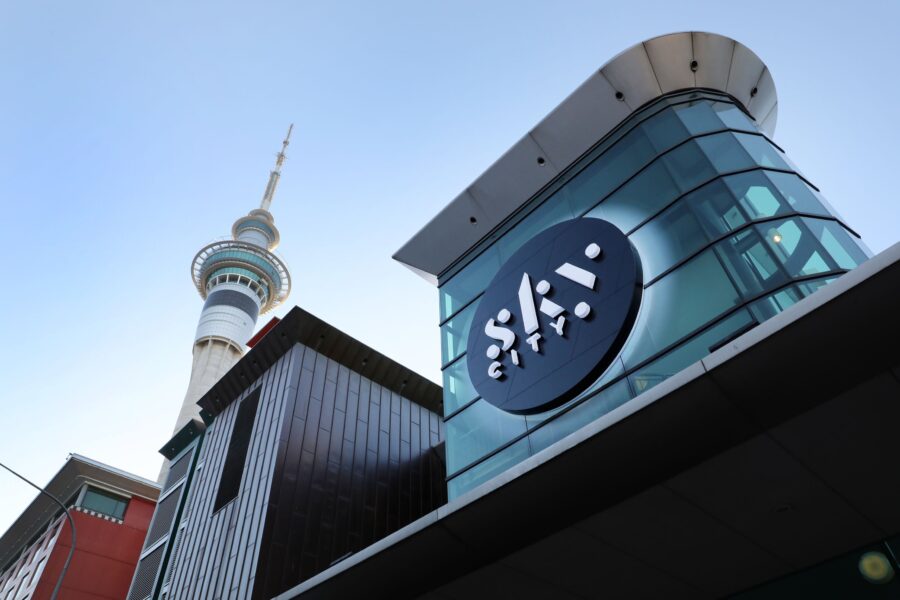
New Zealand’s SkyCity Entertainment Group is facing legal action over its online casino operation, according to a filing with New Zealand’s Exchange.
The proceedings have been brought against SkyCity, SkyCity Auckland Holdings, and Malta-based Silvereye Entertainment, which runs the SkyCity Online platform.

According to The New Zealand Herald, the case seeks to test whether the company’s online gaming activities comply with the law.
The lawsuit also includes an application to bring the case as a funded class action on behalf of customers who allegedly lost money through SkyCity Online between February 2020 and February 2026.
It is currently unclear who is behind the legal action.

Under current New Zealand law, the New Zealand Lotteries Commission is the sole legal provider of online gambling games in the country. New Zealanders are allowed to access offshore sites, but this legal challenge appears to be aimed at clarifying SkyCity’s operations.
SkyCity itself is a New Zealand-based company, but it says its online casino platform is operated by Silvereye Entertainment, a subsidiary of Gaming Innovation Group, which holds a Malta gaming license.
SkyCity previously sold its equity stake in Gaming Innovation Group in June 2024 but said it continues to have a commercial relationship with the company.

In response to the action, SkyCity said that it denies any liability and intends to actively defend the proceedings.
In a crackdown on illegal gambling, last month the New Zealand Department of Internal Affairs ruled that prediction platform operators Polymarket and Kalshi are illegal.

Dig Deeper
Related stories
 2025/02/20: SkyCity targets New Zealand online casino license in preparation for ‘Day 1 launch’
2025/03/11: New Zealand’s SkyCity calls on government to limit online gaming licenses to five
2025/02/20: SkyCity targets New Zealand online casino license in preparation for ‘Day 1 launch’
2025/03/11: New Zealand’s SkyCity calls on government to limit online gaming licenses to five
 2026/05/22: Three sports betting operators face New Zealand class-action lawsuits
 2025/07/03: New Zealand’s closed licensing regime presents ‘good test case’ for better regulation
2025/02/20: SkyCity targets New Zealand online casino license in preparation for ‘Day 1 launch’
2025/03/11: New Zealand’s SkyCity calls on government to limit online gaming licenses to five
2026/05/22: Three sports betting operators face New Zealand class-action lawsuits
2025/07/03: New Zealand’s closed licensing regime presents ‘good test case’ for better regulation
The Backstory
A gray-area business meets a moving rulebook
SkyCity’s online casino strategy has long threaded a needle: keep a New Zealand brand front and center while routing the product through an offshore license. That approach now collides with a rapidly changing policy environment. Lawmakers are preparing a formal licensing regime for online casino gaming, and regulators have signaled less patience for offerings they view as illegal or insufficiently supervised. The dispute underscores a basic tension of the digital gambling era: national rules crafted for land-based venues struggle to keep pace with cross-border platforms that reach local players with a tap.
The legal action lands as the government readies a framework meant to curb offshore gambling and channel activity into a capped roster of licensed operators. It also follows a period in which authorities have scrutinized gray-market models and prediction platforms, pressing the industry toward clear lines around licensing, tax, advertising and consumer protections. SkyCity’s case will test how those principles apply to a domestic brand whose online engine runs on a foreign permit.
From offshore permit to ‘day one’ ambitions
SkyCity has already positioned itself for a regulated future. In its interim results, the company called securing a New Zealand online license a top 2025 priority and mapped out a plan to be operational on day one of a regulated market. In outlining “significant growth potential,” executives tied the strategy to a single customer view, VIP management and use of land-based assets for acquisition and retention. That intent is detailed in the company’s results-day comments about a “day 1 launch” in a regulated market.
The timing matters. Under the government’s plan, up to 15 licenses could be offered, with domestic rules anticipated to take effect from early 2026. SkyCity’s value proposition hinges on converting its physical footprint and brand recognition into a defensible online share once local licenses exist. The lawsuit threatens to cloud that runway by questioning the legality of the status quo while officials hammer out the next regime.
Lobbying for a smaller, more local market
Behind the scenes, SkyCity has pushed for tighter guardrails on who gets to compete. The company urged ministers to cut the proposed cap to five licenses and restrict holders to New Zealand-incorporated firms. That stance, disclosed in government documents and reported by RNZ, frames market design as a question of tax integrity, consumer protection and industrial policy. The position is captured in coverage of SkyCity’s call to limit licenses to five and keep them local.
Officials have pushed back. Internal Affairs Minister Brooke van Velden has said her goal is a fair market open to qualified bidders, warning that favoring domestic incumbents could clash with trade obligations. The TAB, meanwhile, has argued that too-open settings risk multinational dominance and harm to traditional betting products. These divergent views will shape how competitive — and how domestically controlled — the online market becomes once licenses are awarded. For SkyCity, a smaller, mostly local field would likely lift pricing power and customer acquisition efficiency. A broader field could mean higher marketing costs and a tougher climb to profitability.
Community returns become a political fault line
A second policy fight could be just as consequential: whether online operators must direct a share of revenue to community causes. Since 2003, New Zealand’s machine gaming model has required significant community grants. The draft online framework diverges, setting taxes and a problem gambling levy but no earmarked community return. That omission has drawn more than 5,000 submissions and criticism from civic groups worried about funding shortfalls as play migrates online. The stakes are laid out in reporting that the online gambling bill faces backlash over missing community benefits.
If lawmakers amend the bill to require community funding, operators would face a higher effective take-out that compresses margins but could buy political stability. If they do not, backlash could intensify, inviting tighter ad rules, higher levies or public pressure campaigns later. For a company planning a “local hero” strategy, alignment with community expectations is not a soft issue; it is a license-to-operate consideration that can shape marketing permissions and brand trust.
A global enforcement chill influences local risk
The litigation climate around gambling-adjacent products is hardening far beyond New Zealand, an undercurrent that informs local risk. In the United States, New York’s attorney general filed suit alleging that a major game publisher promoted illegal gambling mechanics that mimic slots and spur real-money trading of virtual items. The case, summarized in coverage of the New York AG’s lawsuit against Valve, reflects a willingness to test novel theories against online ecosystems once seen as outside traditional gambling oversight.
At the same time, courts remain gatekeepers in jurisdictional fights, as seen when a Florida judge dismissed — with leave to amend — a challenge to a tribal sports betting compact on standing grounds. The ruling, recapped in a report on the Seminole Tribe sports betting case, shows how procedural hurdles can delay or derail attempts to redraw gambling boundaries. Together, these cases suggest two forces at play: regulators who are more assertive about online and hybrid models, and courts that will scrutinize who has the right to sue and on what basis. Both dynamics could influence how and how fast SkyCity’s case proceeds.
What to watch as the market resets
Several inflection points loom. First, the shape of the licensing regime — how many operators, whether foreign firms can hold permits, and what harm-minimization standards apply — will set competitive dynamics and cost structures. Second, whether lawmakers graft a community return into the online model will determine both economics and political durability. Third, enforcement posture matters: aggressive actions against perceived loopholes raise legal risk for interim operating models, while a clearer path to licensing reduces it.
SkyCity’s plan to pivot from an offshore permit to a locally licensed platform aligns with the government’s channeling goal but competes with policy debates it cannot fully control. The company has signaled it wants to be first out of the gate when rules take effect. The lawsuit tests whether it can get there without legacy baggage — and whether policymakers will design a market that rewards domestic incumbency or opens the door to global rivals ready to spend. The answers will determine who captures a fast-growing online market and on what terms New Zealanders are asked to play.
