


Peter & Sons expands Tonybet partnership with Ontario and Alberta launch

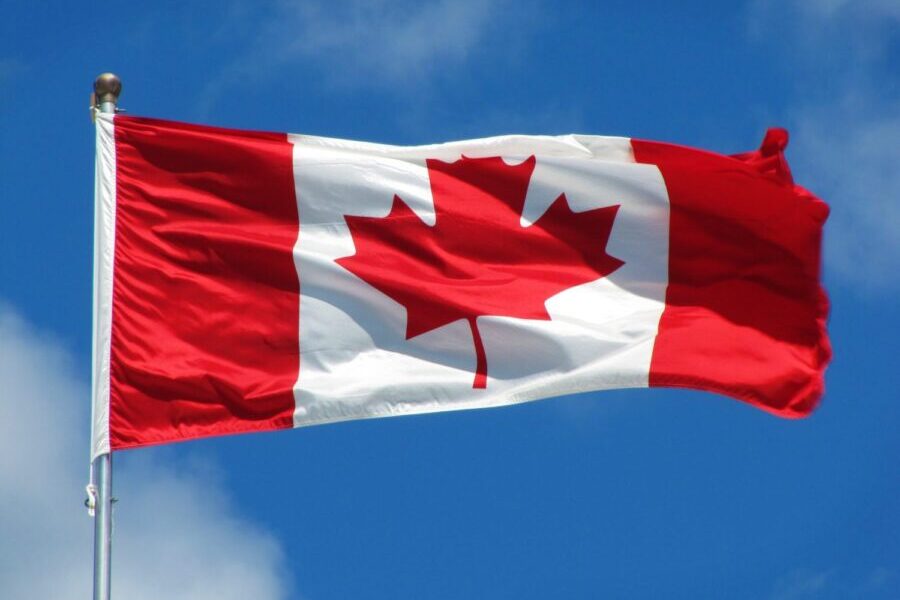
Peter & Sons has gone live with Tonybet in Ontario and Alberta, adding two regulated Canadian provinces to a content partnership that already runs in Tonybet’s market.
The addition follows Tonybet’s own iGaming license in Alberta, granted by the Alberta Gaming, Liquor and Cannabis Commission earlier this month. That makes Alberta the second Canadian province, after Ontario, where Tonybet holds a license; the operator also holds one from the Kahnawake Gaming Commission.

Content supplied to an operator under an existing partnership still requires separate certification in each regulated jurisdiction, so the launch reflects that process rather than a new agreement between the two companies.
The two companies’ regulatory reach in the Americas differs outside Canada. Peter & Sons is licensed by the New Jersey Division of Gaming Enforcement in the US and, in Latin America, by Brazil’s Secretariat of Prizes and Betting and the Lotería de la Ciudad de Buenos Aires in Argentina.
Tonybet has not disclosed a license in the US or in any Latin American jurisdiction; its executives have named Finland and Portugal, not the Americas, as its next markets outside Canada.
The Tonybet launch follows a separate deal Peter & Sons signed earlier this year with aggregation platform ST8, which added its content to the UK and Ontario through a different operator.
“Canada continues to be an important market for our growth,” said Yann Bautista, founder and commercial director at Peter & Sons.
Tonybet was established in 2011 and holds licenses in several European jurisdictions, including Spain, the Netherlands, Ireland, Latvia and Estonia, alongside its Canadian and Kahnawake licenses. Peter & Sons was founded in 2019 and has released more than 60 slot titles.

Dig Deeper
Related stories




The Backstory
Canada moves from single-province focus to multi-market test
Peter & Sons’ launch with Tonybet in Ontario and Alberta reflects a broader shift in Canada’s regulated igaming market: suppliers and operators are no longer treating Ontario as the only viable provincial entry point. Ontario remains the country’s benchmark for private-sector online gambling, but Alberta’s licensing activity has started to give content studios and operators a second Canadian path, with different timing, regulatory mechanics and commercial expectations.
For Peter & Sons, the move adds two regulated provincial markets to an existing Tonybet content relationship in the operator’s .com business. The distinction matters. Content supply deals may create the commercial framework, but each regulated jurisdiction still requires its own approvals, certifications and compliance work before games can go live. The Canadian expansion therefore signals regulatory execution as much as commercial momentum.
Tonybet’s position is also important to the story. The operator has licenses in Ontario and Alberta as well as from the Kahnawake Gaming Commission, giving it a stronger Canadian footprint than many international brands that have focused primarily on Ontario or remained outside the provincial licensing system. Alberta’s inclusion suggests operators are preparing for a more competitive Canadian landscape, even as the province’s model continues to develop.
Ontario built the template suppliers are now extending
Ontario’s regulated igaming market, launched in 2022, has become the practical entry point for international suppliers seeking Canadian exposure. It offers scale, established regulatory processes and a crowded operator base that needs differentiated casino content. That made it a natural priority for Peter & Sons before the Tonybet launch.
The studio previously moved to strengthen its provincial presence through a partnership with Ontario operator Casino Time, using Light & Wonder as part of the distribution arrangement. That deal placed titles such as “Barbarossa Dragon Empire,” “Bad Santa” and “Zombie Road” in front of Ontario players and underscored the role aggregators and platform providers play in regulated markets. For studios, direct brand recognition is often secondary to integration reach and compliance readiness.
Ontario has also become a testing ground for aggregation strategies. St8’s partnership with Tonybet to launch in Ontario gave the operator access to multiple suppliers through one application programming interface. That type of infrastructure is increasingly central to how operators scale content in regulated markets. It reduces integration friction, allows faster portfolio expansion and helps operators manage compliance obligations across game libraries.
The current Peter & Sons-Tonybet rollout sits within that same architecture. Ontario’s maturity has made it attractive but competitive. Suppliers must not only secure technical access to operators but also prove they can keep up with regulatory standards, certification demands and player preferences in a market where content volume is high.
Alberta’s opening raises the competitive stakes
Alberta has been the market most closely watched by Canadian igaming executives because it may become the next major provincial jurisdiction to adopt a more open model. The province has a smaller population than Ontario, but industry observers have pointed to higher disposable income and potentially attractive net gaming revenue per customer. That has made Alberta strategically important even before a full Ontario-style framework is in place.
In a look at Canadian igaming storylines for 2025, executives and consultants identified Alberta as the key development to watch. Some expected the province to move toward a more competitive model, while others cautioned that the timeline remained unclear. That uncertainty has not stopped operators and suppliers from preparing licensing applications, technical integrations and market-entry plans.
Tonybet’s Alberta licensing by the Alberta Gaming, Liquor and Cannabis Commission places it among operators able to move early as the province’s market evolves. For Peter & Sons, going live through Tonybet gives the studio an early regulated foothold in a jurisdiction that could attract major brands if the province expands private-sector participation. Early supplier availability can be valuable because operators assembling launch or expansion portfolios often prioritize certified content that is ready to deploy.
The Alberta move also has broader implications for Canadian consumers. A more developed regulated market could shift activity from offshore sites toward licensed platforms, provided product choice, pricing and user experience are competitive. For regulators, the challenge is balancing consumer channelization, responsible gambling safeguards, revenue objectives and market integrity.
Latin America shows the same regulated-market playbook
Peter & Sons’ Canadian activity is part of a wider expansion strategy that has emphasized regulated or regulating jurisdictions. The studio has pursued Latin America aggressively, particularly Brazil, Peru and Argentina, where online gambling frameworks have created new opportunities for licensed suppliers and operators.
In Brazil, Peter & Sons partnered with SkillOnNet to launch games on PlayUZU.br and BacanaPlay.bet.br. SkillOnNet received approval from Brazil’s Prizes and Betting Secretariat at the end of 2024, with the sites going live in early January. That timing positioned Peter & Sons as an early content entrant in a market analysts expect to become one of the largest regulated online gambling sectors in the world.
The studio also expanded with Relax Gaming in Brazil and Peru, extending an existing aggregation relationship into two Latin American jurisdictions. The Relax Gaming expansion highlighted a strategy similar to Ontario: use established distribution partners to reach operators efficiently while navigating local compliance standards.
Those Latin American deals help explain the Canadian approach. Peter & Sons is not expanding solely through one-off operator agreements. It is layering direct partnerships, aggregation channels and jurisdiction-specific certifications across markets that offer legal clarity. That strategy reduces dependence on any single operator or country and gives the studio multiple routes to revenue as new regulated markets mature.
Operators and suppliers face different maps
The Tonybet launch also illustrates how regulatory footprints can diverge between suppliers and operators. Peter & Sons has approvals that extend beyond Canada, including in New Jersey in the United States and in Latin American jurisdictions such as Brazil and Buenos Aires. Tonybet, by contrast, has emphasized Canada and several European markets, including Spain, the Netherlands, Ireland, Latvia and Estonia. Its executives have pointed to Finland and Portugal as future markets rather than the Americas outside Canada.
That difference affects growth options. A supplier such as Peter & Sons can enter new markets through multiple operators and aggregators once its content is certified. An operator must secure consumer-facing licenses, build local payments, marketing, risk controls and responsible gambling systems and compete for players. The regulatory burden is heavier and the capital commitment broader.
For suppliers, Canada’s fragmented provincial structure creates both opportunity and complexity. Success in Ontario does not automatically translate to Alberta or any other province. Each expansion requires regulatory work, technical adjustments and commercial prioritization. But the payoff is a more defensible market presence than gray-market distribution, particularly as regulators continue scrutinizing offshore access.
The stakes are rising as more jurisdictions demand local licensing. Studios with certified content, flexible aggregation relationships and experience in multiple regulatory systems are better positioned to win shelf space with operators. Operators, meanwhile, need content that can help retain customers in competitive markets without creating compliance risk. The Peter & Sons-Tonybet expansion fits that intersection: a supplier with a growing regulated portfolio connecting with an operator deepening its Canadian licensing base.
