Native American tribes back Ho-Chunk Nation fight against Kalshi, Robinhood

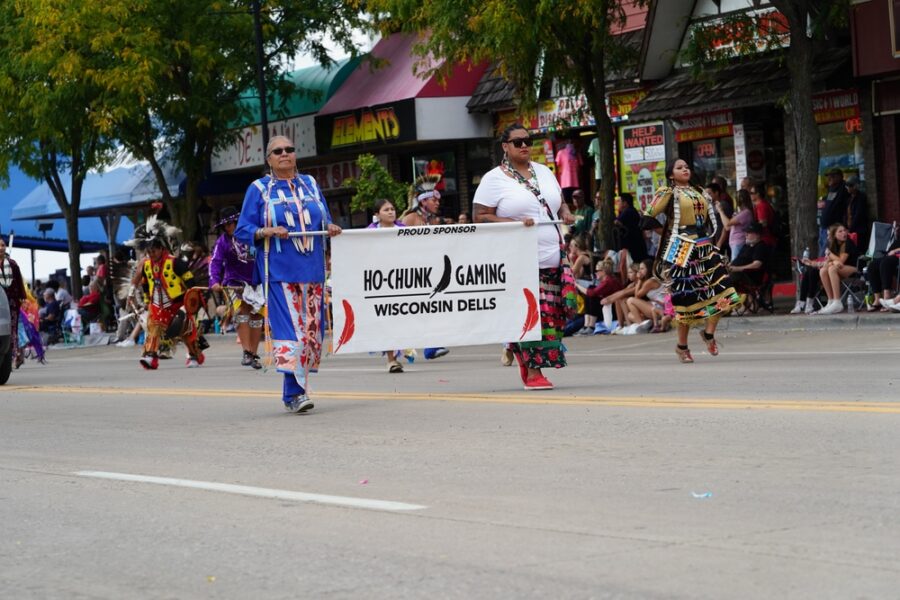
A coalition of Native American tribes has filed a legal brief supporting the Ho-Chunk Nation’s bid to block contracts offered on tribal land by prediction markets Kalshi and Robinhood.
According to an article published by Bloomberg, the move represents another escalation in a broader legal battle over the rapidly expanding online prediction market sector.

In addition to tribal nations, state regulators and lawmakers from states such as Connecticut, Illinois, Ohio, Maryland, Montana, Arizona, Nevada, New Jersey, Massachusetts, and others have already issued cease-and-desist orders against these platforms.
Kalshi, in particular, has been involved in countersuits, arguing that states have overstepped their authority in order to block prediction markets operating within their states, arguing that because they are regulated on a federal level, they can offer their contracts.
Native American tribes have also come out strongly against these platforms as they have long relied on regulated gambling activities to fund essential services, social programs, and economic development. They contend that the prediction markets sidestep established legal systems.

The Ho-Chunk Nation is arguing that Kalshi and its partner Robinhood are offering what amounts to unlawful sports wagering and other event contracts that undermine tribal gaming revenue and sovereignty.
In the legal brief, the groups wrote, “For tribes, gaming is not merely a ‘commercial’ endeavor, but an existential one.”
Abi Bray brings strong researching skills to the forefront of all of her writing, whether it’s the newest slots, industry trends or the ever changing legislation across the U.S, Asia and Australia, she maintains a keen eye for detail and a passion for reporting.

Dig Deeper
Related stories
 2026/01/22: Native American tribes say prediction markets siphon tribal casino money
 2025/04/01: FanDuel and DraftKings made peace with California tribes over sports betting expansion
 2025/08/22: Ho-Chunk Nation sues Kalshi, alleging illegal sports betting
 2025/09/24: Prediction markets drive US$200 million surge for Robinhood
2026/01/22: Native American tribes say prediction markets siphon tribal casino money
2025/04/01: FanDuel and DraftKings made peace with California tribes over sports betting expansion
2025/08/22: Ho-Chunk Nation sues Kalshi, alleging illegal sports betting
2025/09/24: Prediction markets drive US$200 million surge for Robinhood
The Backstory
How a jurisdictional fight moved prediction markets into tribal crosshairs
The push to stop Kalshi and its distribution partner Robinhood from offering sports event contracts on tribal lands stems from a clash between two regulatory regimes and two business models. Tribes argue the Indian Gaming Regulatory Act governs gambling on Indian lands and requires compacts for sports wagering. Kalshi counters that its yes/no contracts are financial derivatives regulated under the Commodity Exchange Act with exclusive oversight by the Commodity Futures Trading Commission. That collision has already produced divergent rulings, new state enforcement, and a rush by platforms to scale before legal guardrails harden.
The Ho-Chunk Nation’s complaint set the tone, alleging Kalshi and Robinhood are enabling unlicensed sports betting in violation of IGRA and siphoning traffic from casinos where sports wagering is permitted only under tribal compacts. The tribe says sports-linked event contracts are banned gaming under the CEA and should be halted by the CFTC. Kalshi argues users trade against each other on a federally regulated exchange, not against a house. Read more on the tribe’s claims in Ho-Chunk Nation sues Kalshi, alleging illegal sports betting.
Early courtroom signals favored Kalshi’s federal umbrella
A key early test came when three California tribes sought to block Kalshi’s sports contracts on tribal lands. A federal judge denied their bid for an injunction, finding they had not shown a strong likelihood of success under IGRA or the Lanham Act and emphasizing that the CFTC has exclusive jurisdiction over event contracts. The court noted IGRA does not address the internet-era scenario posed by a federally regulated events exchange. The ruling also rejected claims that marketing language implying nationwide legality was literally false, framing it as opinion aligned with existing decisions. The decision, while preliminary, bolstered Kalshi’s argument that its products live under federal commodity law rather than state or tribal gaming regimes. Details are in Judge rejects tribes’ bid to block Kalshi’s sports events contracts.
Still, the legal landscape remains unsettled. The tribes’ loss at the injunction stage did not resolve the central question of whether sports-linked event contracts are impermissible “gaming” under the CEA or whether IGRA can be applied to curb access on tribal lands via geofencing. Those issues continue to surface in parallel suits and enforcement actions, including claims pressing for physical barriers to access within tribal boundaries.
States escalate while platforms push for scale
Even as Kalshi leaned on the CFTC framework, state officials intensified scrutiny. Massachusetts is a test case. After a lawsuit alleged Kalshi offered unlicensed sports betting, Robinhood sued the Massachusetts Gaming Commission to block enforcement. Robinhood argues state gambling laws should not apply because trades occur on Kalshi’s exchange, not on the brokerage platform. The state attorney general responded with her own suit seeking to ensure a license is required if Kalshi is in the sports gaming business. The back-and-forth highlights a broader patchwork: some states have issued cease-and-desist orders while others allow operations, creating a map where access depends on local interpretation of federal preemption and gambling statutes. See Robinhood sues Massachusetts Gaming Commission in response to Kalshi lawsuit.
California tribes also pursued a targeted remedy: requiring Kalshi to implement geofences that would prevent users on tribal lands from trading sports event contracts. That suit came as Kalshi reported a surge of trading tied to the NFL opener, underscoring the business stakes of sports-linked markets and the reason tribes seek swift injunctive relief. More on that filing is in California tribes challenge Kalshi after US$27 million NFL Opener.
Money, momentum and the sports pivot
The economics behind prediction markets sharpen the conflict. Platforms have chased growth by leaning into sports and politics, categories with high engagement and frequent catalysts. Robinhood’s distribution has been central, with the company saying its users account for a significant share of Kalshi’s daily volume since their partnership began. Management has also signaled an appetite to expand the product footprint through deals or joint ventures, part of a broader push to entrench prediction markets in mainstream brokerage apps and overseas. For the company’s latest thinking on expansion and dealmaking, see Robinhood vice president mulls prediction platform growth via acquisition or JV.
The more sports-driven activity grows, the greater the friction with tribal and state regimes that treat sports wagering as a tightly controlled gambling vertical. That tension is visible in marketing: after questions on social media about sportsbook terminology, Kalshi scrapped references to “sportsbooks” in job listings while maintaining that its contracts are commodities products. Courts and regulators will decide whether that line holds.
What tribes say is at stake
For tribes, the dispute is existential. Casino and sportsbook revenue fund public services, healthcare and development on reservations. Tribes argue that prediction markets offering sports outcomes, whether peer-to-peer or not, cut into gaming revenue and sidestep the compact system negotiated with states. They also warn that allowing unlicensed sports contracts on or accessible from tribal lands undermines hard-won sovereignty over gaming and erodes the framework that channels economic benefits to tribal communities.
Kalshi and Robinhood’s position seeks clarity that federally regulated event contracts are not gambling and cannot be curtailed by state or tribal law. Tribes and several states counter that sports outcomes offered to the general public are gambling in substance and must be licensed as such. The Ho-Chunk suit extends that reasoning to the CEA itself, arguing sports-linked event contracts violate statutory prohibitions and should be stopped by the CFTC. The doctrine of federal preemption sits at the center of the fight, but the outcome may hinge on how courts classify sports event contracts and where they draw the line between a futures exchange and a sportsbook.
How the pieces could fit from here
The next steps likely include additional injunction motions, geofencing disputes and potential appeals from early rulings. A definitive court decision on whether sports event contracts are permissible under the CEA would reset the board. A contrary ruling, or a CFTC action, could force platforms to strip out sports entirely or pursue state-by-state licensing akin to sportsbooks. If courts continue to view CFTC jurisdiction as exclusive, states and tribes may pivot to access restrictions and consumer protection claims.
Business realities will press the timeline. Sports calendars create recurring volume spikes that platforms are eager to capture, while regulators face mounting pressure to enforce existing gambling laws or negotiate new pathways. The federal versus state-versus-tribal standoff will determine whether prediction markets become a regulated financial product available nationwide, a gambling product constrained by local rules, or a hybrid that varies by jurisdiction and product line.