


MLB Players partners with Hard Rock Bet


The MLB’s licensing and marketing subsidiary, MLB Players, has partnered with Hard Rock Bet as an official licensed sportsbook partner.
Under the agreement, Hard Rock Bet will be able to use active MLB player names, images, likenesses, and other intellectual property for both its in-app use and marketing campaigns.

The operator plans to introduce player-focused betting features, personalized promotions, and content tied directly to player performances and statistics.
The partnership comes after prediction market platform Polymarket became the official prediction market of the MLB back in March.
MLB Players President Evan Kaplan said, “Fans connect to athletes. As sports betting continues to evolve, the experience is shifting from a screen full of odds to something more recognizable, more intuitive, and closer to the game itself. This partnership with Hard Rock Digital ensures that connection is authentic, licensed, and reflective of the value MLB players bring to the game.”

The agreement was overseen by sports licensing, marketing, and media company OneTeam Partners. Frank Arthofer, OneTeam’s President, added, “What you’re seeing is the shift from information to identity. Player IP is no longer an add-on in this space. It’s becoming foundational. When you build around the athlete, like Hard Rock Digital, you create a product that feels closer to the game itself. That’s where this is going.”

Dig Deeper
Related stories
 2026/06/24: BetMGM and MGM Resorts International renew multi-year partnerships with Major League Baseball
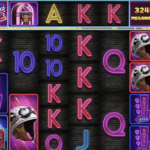 2025/03/27: Hard Rock Bet launches Hard Rock Highway Megaways slot
 2025/02/10: MLB takes equity stake in Sportradar
 2025/06/18: Hard Rock Bet launches online rewards program Legendary Rewards Drops
2026/06/24: BetMGM and MGM Resorts International renew multi-year partnerships with Major League Baseball
2025/03/27: Hard Rock Bet launches Hard Rock Highway Megaways slot
2025/02/10: MLB takes equity stake in Sportradar
2025/06/18: Hard Rock Bet launches online rewards program Legendary Rewards Drops
The Backstory
Connecting player brands to betting products
Major League Baseball’s embrace of legal wagering has advanced from league-level sponsorships to deals that put active players at the center of sportsbook marketing. The newest step pairs a sportsbook’s customer acquisition goals with the growing commercial power of athlete intellectual property. The trajectory has been clear for several seasons: as operators compete on features and personalization, the most prized differentiator is content that feels closer to the game and the people who play it. That is the strategic backdrop for a tie-up that lets a book build promotions and product experiences around real player names, images and statistics, rather than just lines and odds.
Hard Rock Digital has been building toward this moment with a broader push into bespoke content, data-driven curation and brand integrations that turn a sportsbook into a media-like destination. Expect the operator to lean on that playbook as it weaves active MLB stars into offers and on-platform experiences timed to in-season storylines, prop markets and micro-bets. A shift from generic markets to identity-led engagement is not just marketing gloss; it changes how casual and sharp bettors navigate menus, price parlays and follow live action. It also raises fresh integrity and compliance questions that the league and union have tried to get in front of.
Personalization sets the stage
Hard Rock Bet’s focus on tailoring the product around user behavior has accelerated. The company recently rolled out a personalized hub called For You that curates games, teams and markets tied to a customer’s past activity and stated interests, and even packages suggested bets by risk “mood.” The feature also includes a swipeable parlay builder and surfacing of individualized wagering trends. That infrastructure is designed to plug in richer player-centric content with minimal friction. The more the app knows about which teams and props a user follows, the easier it becomes to spotlight player-driven offers at the right moments in the game flow.
The For You launch, detailed here in Hard Rock Bet’s introduction of a personalized betting hub on its sportsbook app, underscores how operators are using data to elevate conversion and retention. Tying that personalization to licensed player images and names can deepen engagement, but it also raises the bar on responsible presentation and clear guardrails for users. As operators incorporate real-time stat feeds, the line between watching, wagering and following a favorite player narrows.
Bespoke games and brand integrations point to a template
Hard Rock has invested in exclusive casino content as a parallel path to stand out. The company has added branded, custom-developed games that turn the app into an owned content ecosystem rather than a commodity storefront. That includes a collaboration with Evolution and Red Tiger on Hard Rock Highway Megaways, a bespoke slot built on Dream Creator that layers Hard Rock visuals and jackpots onto the Megaways format. The title complements a portfolio that now spans more than 2,700 games in New Jersey and syncs with the Unity by Hard Rock loyalty program across land-based and digital.
Hard Rock also expanded a partnership with AGS to deliver Hard Rock Cash Lock, an exclusive video slot for New Jersey icasino customers, following last year’s branded Hard Rockin’ Reels. While these are casino examples, the lesson carries to sports: distinctive, on-brand content keeps customers in the app and gives the operator more control over the experience. Bringing licensed MLB player imagery and names into sportsbook features fits that pattern and can convert high-intent moments, like a hot streak from a star hitter, into targeted props and parlays surfaced to the right users at the right time.
Betting product trends tilt toward live and micro
The industry’s technical arms race is shifting toward deeper live markets and player-linked props. Providers are expanding in-play builders, micro-betting and pitcher or batter performance lines, backed by faster data. Sportsbook supplier Altenar, for example, has expanded its MLB coverage with in-play bet builders and a broader prop catalog powered by Swish Analytics, one of MLB’s official data distributors since 2019. The upgrade is meant to let users construct live combinations as games unfold and to surface more granular player markets on the fly. See the details in Altenar’s in-play MLB features update.
That direction dovetails with operators’ personalization ambitions. If users are already following specific teams and players, a live bet builder can assemble fast combinations that feel bespoke, particularly during key plate appearances or pitching changes. Layer in licensed player names and visuals and the markets themselves become more recognizable to casual fans, which can ease onboarding and encourage smaller-stake, more frequent interactions rather than a handful of pregame wagers.
Integrity pressures shape the boundaries
As products get closer to individual athletes, MLB has tried to clarify red lines. Late last season, the league and the MLB Players Association circulated a memo warning players not to participate in prediction markets covering baseball events, noting that such activity violates the sport’s betting rules even if some platforms are treated as non-gambling financial products under federal frameworks. The memo, obtained by Front Office Sports and summarized in a report on MLB’s warning about prediction markets, mentioned Kalshi, Polymarket, Robinhood and Crypto.com by name. It also highlighted uneven approaches among leagues, with the NHL striking platform partnerships while the NFL pressed for tighter oversight and the NBA navigated an integrity scandal.
That backdrop matters as sportsbooks highlight real players in their product and marketing. Licensed use of player IP inside a regulated sportsbook is distinct from athletes trading in markets tied to their own sport, but the optics and risks still require careful handling. As more props price into highly specific outcomes, operators and the league must monitor for unusual activity and maintain clear education for players on prohibited conduct. The deal environment is moving faster than the policy environment, which increases the importance of data transparency and integrity safeguards baked into live markets.
What to watch next
Expect operators to test player-led features during nationally televised games, rivalry series and postseason races, where engagement spikes. Personalization layers built for casino and parlay flows are likely to be repurposed to spotlight licensed player content alongside live props and micro-bets. If the approach lifts conversion and retention, rivals will chase similar licenses and tech, intensifying competition for athlete IP and official data rights.
The stakes extend beyond marketing. Players and their union could see growing royalty streams tied to digital activations, reinforcing the value of collective licensing. Regulators will scrutinize how player-forward promotions are presented to casual fans, particularly younger demographics, and may push for clearer disclosures around odds volatility on deeper live markets. For MLB, the credibility of integrity controls will be tested as betting products get more granular and identity-driven.
For Hard Rock, the path is familiar: build differentiated content, integrate it with loyalty and personalization, and keep users inside a branded ecosystem. Its recent rollouts — from the For You personalization hub to exclusive casino titles like Hard Rock Highway Megaways and Hard Rock Cash Lock — suggest a playbook that now extends to licensed MLB player content on the sportsbook side. The core question is execution: how quickly the operator can translate athlete IP into sticky user experiences without blurring lines on integrity and responsible play.
