


Michigan governor eyes tax increase for online gambling operators

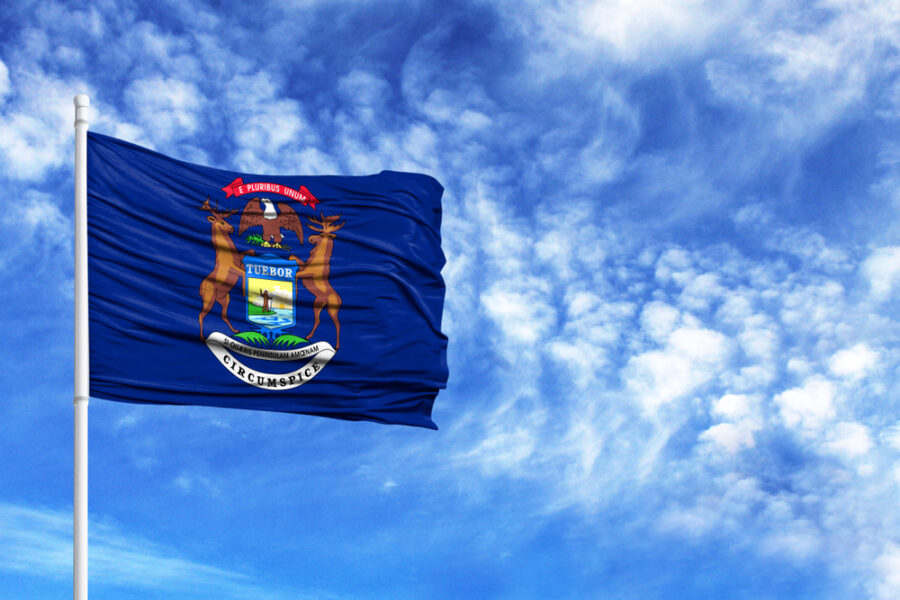
Michigan Governor Gretchen Whitmer has targeted online gambling operators this week in a bid help fund the state’s Medicaid expenses via increased taxation.
In her budget proposal for the 2027 fiscal year, both online casinos and sportsbooks would face additional taxes to generate income for the Medicaid Benefits Trust Fund as the state braces itself for potential health care funding cuts.

Online casinos would face a new internet tax rate, expected to generate an additional US$135.5 million in taxes, while sportsbooks would face a per-wager tax, expected to bring in US$38.8 million.
Major operators, including DraftKings, FanDuel, and BetMGM, which hold significant market share in Michigan, would face higher taxes under the plan. The proposal would also end deductions for sports betting promotional offers, a provision that currently reduces taxable revenue.
In 2025, Michigan’s commercial and tribal operators reported US$3.8 billion in gross online casino and sports betting receipts, a 29.5% increase compared to 2024.

After promotional deductions, adjusted receipts totaled US$3.3 billion, including US$2.9 billion from online casinos and US$435.9 million from online sports betting. The state collected US$597.5 million from online casinos and US$27.1 million from sports betting.
However, industry representatives are expected to oppose the changes.
Similar tax increases in Illinois prompted some sportsbooks to raise their minimum bets, and critics of the plan say that higher taxes could push consumers toward prediction markets or unregulated platforms.
Charlotte Capewell brings her passion for storytelling and expertise in writing, researching, and the gambling industry to every article she writes. Her specialties include the US gambling industry, regulator legislation, igaming, and more.

Dig Deeper
Related stories



The Backstory
Medicaid math meets a booming market
Michigan’s push to raise taxes on internet casinos and sportsbooks lands at the intersection of rising health care obligations and a fast-growing digital gambling market. Gov. Gretchen Whitmer’s fiscal 2027 executive budget proposes channeling additional tax revenue from online operators to the Medicaid Benefits Trust Fund as federal support tightens. The administration’s spending plan, which outlines the policy framework, is posted in the state’s budget book (FY27 Executive Budget).
The timing reflects momentum in Michigan’s online gambling take. State data show sustained strength in internet gaming and sports betting receipts heading into 2026, capped by a robust holiday month for Detroit casinos and tribal partners. December 2025 revenue figures from the Michigan Gaming Control Board underscore the scale and seasonality of the market (MGCB December 2025 iGaming revenue). That backdrop helps explain why Lansing is looking to capture more dollars by ending sports betting promotional deductions and introducing a new internet tax rate for casinos, along with a per-wager tax for sportsbooks. The administration pegs the combined lift in the hundreds of millions of dollars annually.
Operators with the largest share in Michigan — DraftKings, FanDuel and BetMGM — would shoulder the bulk of the increase. The state’s bet is straightforward: sustained digital growth plus fewer carve-outs equals a more predictable funding stream for health care. But experience in other states shows the path from proposal to implementation is rarely linear and often shaped by negotiations over rate, deductibility and timing.
New Jersey’s negotiated template
Across the Hudson, New Jersey offers a near-term roadmap for how a high-profile tax bid can evolve into a compromise. Gov. Phil Murphy began the year pressing to lift online sports betting and igaming taxes to 25%, a move that immediately drew scrutiny from Wall Street and the Atlantic City casino lobby. J.P. Morgan’s Joseph Greff told clients that Murphy’s backing increased the odds of a hike, but he expected a lower final rate after June talks and laid out projected cash-flow hits for DraftKings, BetMGM, Caesars Digital and others if the governor’s number stuck (New Jersey tax proposal draws analysis and ire).
Industry resistance there centered on familiar themes: pressure on promotional offers, possible deterioration in odds and collateral damage to land-based casinos that rely on shared brands and marketing. The head of the Casino Association of New Jersey warned of job risk and reduced investment in Atlantic City if digital taxes climbed.
By late June, analysts were sketching a middle ground. Truist Securities’ Barry Jonas said an operator-friendly compromise around 19.75% appeared manageable, especially if companies leaned harder on cutting promotions to blunt the blow. He sized incremental costs for Flutter’s FanDuel, DraftKings, BetMGM, Caesars and Penn, arguing that large-scale operators could absorb the change without resorting to customer surcharges or higher bet minimums (Garden State tax increase can be managed, Truist analyst says).
The New Jersey experience suggests Michigan’s final package could land below initial markers and that eliminating or limiting promo deductibility may become the chief lever operators pull to adapt. It also shows that vocal brick-and-mortar concerns can shape the debate even when the tax target is digital.
Illinois’ shock therapy and its ripple effects
Illinois took a far more aggressive tack. Lawmakers there layered a handle tax atop an already higher progressive levy on sportsbook revenue, creating an effective rate that Deutsche Bank called punitive. The new schedule, set to kick in July, charges 25% on the first $20 million in wagers and 50% beyond that threshold, a structure aimed most squarely at FanDuel and DraftKings given their outsize share of bets. Analysts estimated additional tens of millions in annual tax for the leaders and warned that the combination of handle and revenue taxes pushes the effective take well north of 60% for some operators (Illinois tax increase surprises analysts).
Truist’s Jonas outlined mitigation tactics — tighter odds, promo cuts, small per-bet surcharges or higher minimums — while cautioning that sharper lines risk driving customers to unregulated sites. Deutsche Bank’s Carlo Santarelli doubted that promo reductions alone could offset the increases in a mature market, raising questions about low-dollar parlays and product mix. For Michigan, Illinois is both a warning and a data point: layering new taxes on top of existing ones can yield headline revenue gains but may erode the regulated market’s competitiveness and nudge some play offshore.
Political crosscurrents from North Carolina
Elsewhere, North Carolina’s Senate advanced a jump in the tax rate on sportsbook revenue to 36% from 8%, framing the move as a budget necessity. The Sports Betting Alliance, which represents DraftKings, FanDuel and BetMGM, mobilized customers to oppose the hike, arguing it would mean worse odds, fewer bonuses and a tilt toward illegal sites. The House had yet to publish its version, but if enacted, North Carolina would sit among the highest-tax states for sports betting, just behind New York, Rhode Island, New Hampshire and newly elevated Illinois (Sportsbooks react against North Carolina tax rise).
The Tar Heel pushback underscores a broader message to Lansing: operator lobbying intensifies as rates move into the 30s and beyond, with consumer-facing consequences a central part of the argument. That narrative will likely surface in Michigan as lawmakers vet a per-wager tax and the removal of promotional deductions.
Smaller markets show the elasticity challenge
Kansas illustrates how modest tax regimes can coexist with growth. The Sunflower State, which taxes online sports betting at 10%, reported an 84% month-over-month revenue jump for online operators in January, a record handle and gains across DraftKings, FanDuel, BetMGM and Caesars. State revenue of $1.6 million flowed to a broad set of funds, from economic development to problem gambling services (Kansas online sportsbooks increase revenues by 84%).
While Kansas is smaller and newer than Michigan, the comparison highlights a core policy trade-off: lower rates can foster volume, while higher rates seek steadier public revenue but risk suppressing promotions, altering pricing and pushing some activity to less regulated channels. Michigan’s large and mature igaming base adds another layer; casinos typically yield higher margins than sports betting, so any blended tax strategy needs to account for product mix and market behavior.
What to watch in Lansing
Michigan lawmakers must translate Whitmer’s concept into statute, settle on specific rates and decide how to treat promotions, deductions and the mechanics of a per-wager tax. Expect operators to model New Jersey-style compromises and to argue that cutting promos is the least disruptive mitigation, while warning that handle taxes, as in Illinois, distort pricing and could curb low-dollar bets and longshot parlays.
Regulators and budget writers will weigh those claims against the need to backfill Medicaid and maintain responsible-gaming safeguards. With digital receipts climbing and big brands entrenched, the state has leverage. But enforcement and market integrity matter if tax friction grows; both analysts and trade groups in other states have warned that burdensome regimes can embolden offshore sites.
The near-term tells: whether the Legislature narrows the proposal to revenue-based changes rather than layering handle taxes, if promotional deductions are capped instead of eliminated, and how any phase-in aligns with the football season. The broader stakes are clear. Michigan is testing how far a mature online market can be taxed to fund health care without sacrificing the advantages of a legal, competitive ecosystem. The outcome will echo well beyond Detroit’s casinos and could influence the next wave of tax debates from Raleigh to Trenton.
