
Michigan Gaming Control Board targets 12 offshore gambling sites

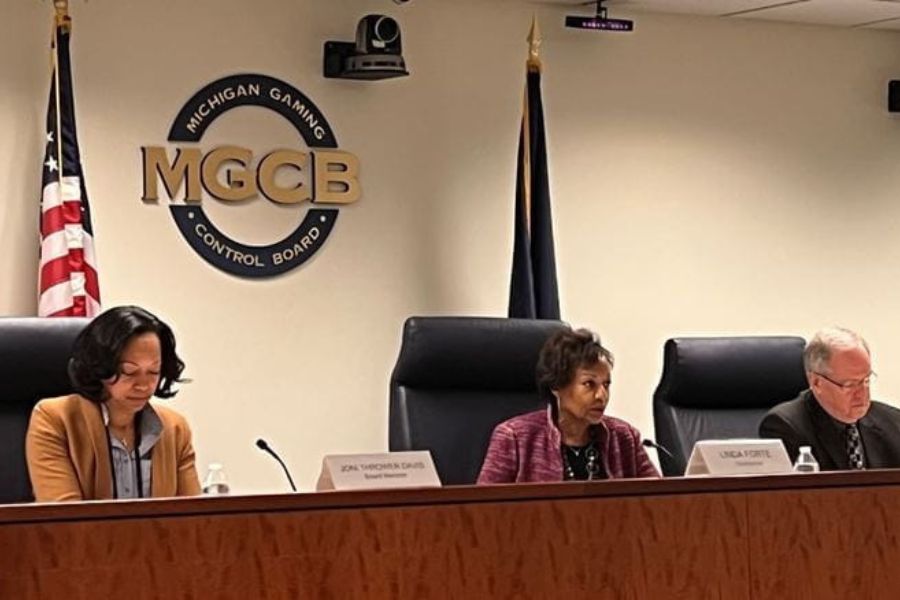
The Michigan Gaming Control Board has issued 12 cease-and-desist letters to offshore operators for illegally operating in the state.
Following an investigation conducted by the regulator, operators that received cease-and-desist letters included 31 Bets Casino, Betnuvo, BetPhoenix, MyBitcoin Casino, and Vegas Strip Casino.
The operators are accused of targeting Michigan residents with unlicensed online casino and sports betting products.
According to the regulator, only operators licensed under the Lawful Internet Gaming Act, the Lawful Sports Betting Act, and other related statutes are permitted to operate in Michigan. The regulator also emphasized that failure to comply with the orders could result in further enforcement.
In a statement, Michigan Gaming Control Board Executive Director Henry Williams said, “Illegal online gambling sites operate without oversight, putting players at risk and undermining Michigan’s secure, regulated marketplace. We will continue to take relentless, decisive action to prevent unlicensed operators from targeting Michigan residents and ensure that all gaming is conducted lawfully and responsibly.”

The regulator has also issued warnings to Michigan residents about the risks of unauthorized gambling sites, including the lack of consumer safeguards, such as dispute resolution options and player fund protections, and urged them only to use operators listed on the Michigan Gaming Control Board website.
This week, Michigan welcomed its latest gambling operator, Hard Rock Bet, which launched both its online casino and sportsbook in the state through a partnership with Island Resort & Casino.
Charlotte Capewell brings her passion for storytelling and expertise in writing, researching, and the gambling industry to every article she writes. Her specialties include the US gambling industry, regulator legislation, igaming, and more.

Verticals:
Sectors:
Topics:
Dig Deeper
Related stories
 2025/04/30: Michigan Gaming Control Board targets Panama-based operators with cease-and-desist orders
 2025/04/04: Michigan regulator targets 11 more illegal gambling sites
2025/03/06: Michigan Gaming Control Board issues five cease-and-desist letters to offshore operators
2025/04/04: Michigan regulator targets 11 more illegal gambling sites
2025/03/06: Michigan Gaming Control Board issues five cease-and-desist letters to offshore operators
 2025/03/25: Michigan regulator issues further cease-and-desist letters to offshore operators
2025/04/30: Michigan Gaming Control Board targets Panama-based operators with cease-and-desist orders
2025/04/04: Michigan regulator targets 11 more illegal gambling sites
2025/03/06: Michigan Gaming Control Board issues five cease-and-desist letters to offshore operators
2025/03/25: Michigan regulator issues further cease-and-desist letters to offshore operators
The Backstory
Why Michigan is tightening the screws now
Michigan’s latest cease-and-desist round fits a pattern that has hardened over the past year: a steady widening of targets, quicker deadlines and closer coordination with prosecutors. The Michigan Gaming Control Board has moved from case-by-case warnings to a campaign aimed at operators that accept bets without state licenses and market to residents as if the rules do not apply. The agency argues the crackdown protects consumers, preserves tax revenue and keeps the state’s regulated books-and-casino model credible. The push also comes as new licensed brands enter the market, raising the stakes for enforcement. Regulators say unlicensed platforms undercut legal sportsbooks and online casinos by ignoring responsible gaming standards and offering risky payment channels. The board’s messaging has shifted from reminders about compliance to explicit timelines and threats of legal action. Each new batch of letters has also clarified what the state considers off-limits, from political betting to crypto-funded sportsbooks and offshore casinos that present as domestic.
Early shots across the bow at Panama-based sites
Michigan’s tone sharpened with an early set of orders aimed at Panama-based brands. Following an anonymous tip, the board alleged that SportsBetting.ag and BetOnline were taking wagers on sports, horse races, politics and virtual casino games, while offering cash-back incentives without a state license. In its notice, the agency said both platforms accepted real-money bets via credit cards, wire transfers and cryptocurrency, breaching Michigan law. The regulator gave the operators two weeks to withdraw from the state and warned of further action with the attorney general if they did not comply. That move signaled a willingness to test jurisdiction over popular offshore sites that market nationwide. It also put crypto-enabled wallets on the regulator’s radar. The action, detailed in the board’s orders against SportsBetting.ag and BetOnline, set a template the agency has followed since: document the scope of betting, cite multiple statutes and set a 14-day clock.
Unmasking networks behind multiple brands
The crackdown accelerated when investigators linked dozens of domains to single owners. The board said ten unregulated platforms tied to Belize-based Apex Dynamics Ltd operated unlawfully in Michigan, offering casino-style games without licenses. The sites — including Aladdin’s Gold Casino, Club World Casinos and CryptoReels — were accused of violating the Lawful Internet Gaming Act, the Michigan Gaming Control and Revenue Act and the Penal Code. By tying many storefronts to one corporate entity, the regulator framed the problem as an organized network rather than scattered bad actors. The orders also underscored that cosmetic differences between brands do not shield them from state rules. As with earlier actions, the letters gave operators two weeks to stop taking bets from Michigan customers, with the attorney general on standby. The episode, outlined in the board’s notice against ten Apex Dynamics-linked casinos, showed how enforcement can scale when ownership is centralized offshore.
From handfuls to waves of sites
Through the winter, the board shifted from targeting a handful of operators at a time to larger tranches. In one phase, officials said they acted against 11 additional offshore casinos that allegedly withheld winnings, imposed unfair wagering requirements and failed to meet state standards for data security and responsible play. Another wave hit five offshore platforms that regulators said broke multiple state laws, with penalties that can include fines up to $100,000 and up to 10 years in prison. The agency followed with action against four more unlicensed sites that offered sportsbook and casino products. Each step broadened the list of prohibited behaviors and payment methods, while reiterating the same deadline and escalation path. The effect has been to announce that Michigan is building a record of noncompliance across brands and regions, preparing for potential court cases if operators ignore the orders.
Consumer risks drive the legal approach
Michigan’s legal theory rides on consumer protection as much as jurisdiction. The board has stressed repeated themes that surfaced in its orders: missing dispute resolution, unreliable withdrawals and weak or absent responsible gaming tools. Regulators cite data security gaps and a higher risk of identity theft on unlicensed platforms. In the action against 11 offshore casinos, investigators said some sites withheld winnings and enforced opaque rollover terms. In the case against Panama-based operators, the board flagged political betting and crypto deposits, both off-limits under state law. The state’s playbook is to frame offshore operators as predatory and to contrast them with licensed books that must verify age, track problem gambling and follow financial and cybersecurity standards. By returning to those points in each notice, the board is building a public record to support fines or injunctions if needed and to steer bettors toward in-state options monitored for compliance.
What the enforcement wave means next
The board’s letters consistently give operators 14 days to shut off access to Michigan or face legal action with the attorney general. That deadline appears designed to secure quick exits without lengthy litigation, but it also creates a cadence for follow-on steps if platforms refuse. The legal stakes are rising as enforcement nets larger clusters and as the state’s regulated market expands. New entries increase the visibility of legal alternatives and the cost of unfair competition from offshore sites that ignore taxes and oversight. If cease-and-desist notices do not curb activity, the next stage could test state courts’ willingness to enforce penalties against foreign companies with U.S. traffic. The board’s recent rounds — from the Apex Dynamics group to the five-offshore sweep and four-site action — suggest more coordinated efforts are coming. For bettors, the message is straightforward: use licensed operators the board lists or risk funds on platforms the state says it cannot police. For operators, the clock starts the day a letter lands.

