


MGM Resorts and BetMGM pledge over US$1M for responsible gaming programs

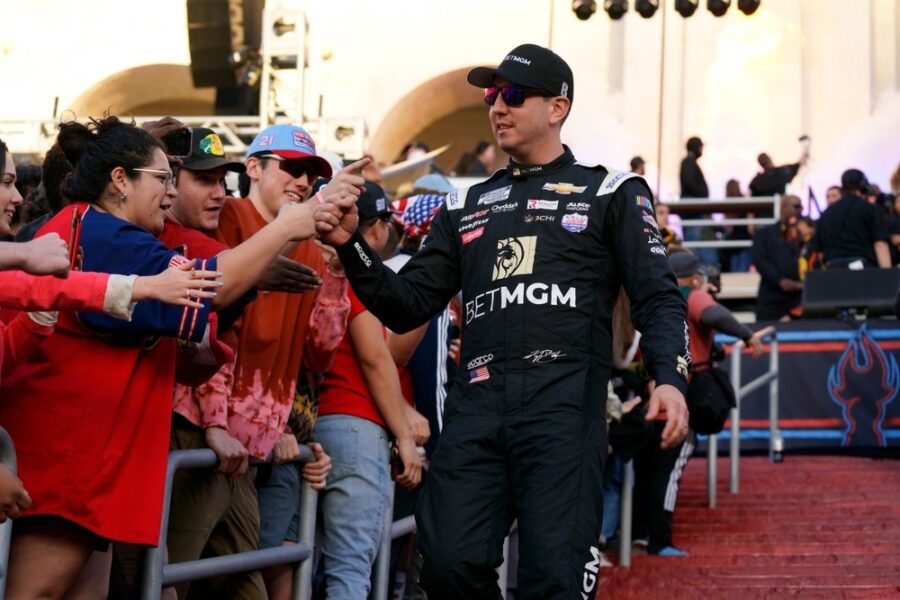
MGM Resorts International and BetMGM have committed more than US$1 million to responsible gaming initiatives as part of Problem Gambling Awareness Month in March.
The companies have committed US$450,000 to fund a three-year research project through the International Center for Responsible Gaming to examine how sports wagering affects player behavior and risk patterns.

The remainder of the funding included more than US$850,000 earmarked for state and national problem gambling groups across 2026, as well as employee training and public awareness campaigns.
MGM Resorts Senior Vice President and Chief Compliance Officer Stephen Martino said, “As sports betting continues to grow, so must our understanding of its impact on our guests and customers. Investing in high-quality research allows us to be guided by valuable data and insights, which will ultimately help us support our patrons, communities, and industry.”
BetMGM Chief Compliance Officer Rhea Loney added, “Problem Gambling Awareness Month is an important reminder of our year-round responsibility to assist and empower our players. We prioritize player protection by investing in education, tools, collaboration, and meaningful support resources. Our commitment remains clear: to help every player make informed decisions and enjoy our products safely.”

The announcement follows BetMGM’s unveiling of a string of events between February and March with streamer and casino ambassador Brian Christopher, including the debut of Brian Christopher Live Roulette and BC Slots Diamond Jubilee Gala.
Abi Bray brings strong researching skills to the forefront of all of her writing, whether it’s the newest slots, industry trends or the ever changing legislation across the U.S, Asia and Australia, she maintains a keen eye for detail and a passion for reporting.

Dig Deeper
Related stories
 2025/03/14: MGM Resorts CEO cites digital as top focus in 2025
 2026/06/24: BetMGM and MGM Resorts International renew multi-year partnerships with Major League Baseball
 2025/02/04: BetMGM execs bullish, despite wider losses
2025/03/03: MGM Resorts and BetMGM extend commitment to problem gambling research
2025/02/04: BetMGM execs bullish, despite wider losses
2025/03/03: MGM Resorts and BetMGM extend commitment to problem gambling research
2025/03/14: MGM Resorts CEO cites digital as top focus in 2025
2026/06/24: BetMGM and MGM Resorts International renew multi-year partnerships with Major League Baseball
2025/02/04: BetMGM execs bullish, despite wider losses
2025/03/03: MGM Resorts and BetMGM extend commitment to problem gambling research
The Backstory
Why this funding push matters now
MGM Resorts International and BetMGM’s latest outlay on responsible gaming lands at a pivotal point for the companies’ digital and retail betting businesses. The operators have been tightening product and marketing strategies while state regulators scrutinize not just ads and risk tools but the business models behind fast-changing wagering formats. The new investment is positioned to fill evidence gaps on player behavior in legal sports betting, which has proliferated state by state since 2018. It also signals to policymakers that the companies will finance research and prevention as they chase growth. That posture reflects a broader shift in U.S. online gambling toward measurable, auditable standards rather than ad hoc pledges. The question is whether sustained spend on prevention and treatment, alongside product safeguards, can scale as fast as mobile betting and same-game parlays have grown. MGM and BetMGM are trying to show the answer is yes.
Building on expanded treatment access
The pledge follows a run of program expansions aimed at getting help to customers sooner and in more places. Earlier, MGM and BetMGM said they would widen access to specialized mental health care by extending BetMGM’s referral network with Kindbridge Behavioral Health to all of its online jurisdictions, adding new channels for counseling and support. The companies also committed to broader responsible gaming messaging, including a time-out feature from MGM’s GameSense program across online and retail sportsbooks, and embedded QR codes that route customers to tools and tips. They plan to engage University of Nevada gaming law students on responsible gaming practices, seeding future compliance talent and awareness. The package, outlined in their extended commitment to research and services, underscores a move from one-off campaigns toward systems that connect product features, education and clinical care.
Operational shift in Nevada raises the compliance bar
At the same time, BetMGM is preparing to assume control of MGM Resorts’ Las Vegas sportsbooks. The transition, approved in concept late last year and advancing through the licensing process, would centralize operations at a Mandalay Bay hub with eight satellites. As the handoff proceeds, regulators have probed BetMGM’s precise role in risk management and day-to-day decision-making. The operators say they slowed the timetable to get the mechanics right, with the switch slated for a quieter sports calendar. The move heightens the stakes for responsible gaming protocols. A single operator running the books across the Strip must demonstrate consistent self-exclusion handling, clear on-ramps to time-outs and referrals, and aligned data monitoring. The Nevada shift is a stress test for those systems. It also ties the companies’ brand reputation in Las Vegas more tightly to how they manage problem gambling risk in real time.
Digital ambitions shape responsible play strategy
MGM’s growth plan puts digital at the center, which raises the importance of rigorous player protection in online settings where speed and accessibility can compound risk. Chief Executive Bill Hornbuckle told investors that the priority next year is expanding BetMGM and the broader internet business, with eyes on new iGaming states and a bigger footprint in Brazil. He also signaled a pivot from heavy media buys to product enhancements such as single-wallet access and same-game parlays after a costly ad in 2024 produced limited payoff. Those remarks, detailed in MGM’s digital-first roadmap, help explain the latest research funding. As the company leans into cross-channel play and higher-velocity bet types, it needs hard data on risk patterns and interventions that work without throttling growth. The infrastructure investments on the Strip, from room upgrades to event-driven traffic, also increase exposure to first-time bettors. Aligning product design with prevention tools is now core strategy, not a side program.
Regulators draw lines on prediction markets
The responsible gaming push is unfolding alongside live regulatory debates over products that blur the line between betting and retail trading. In Nevada, Hornbuckle publicly backed the state’s tougher stance on prediction markets after DraftKings and FanDuel withdrew rather than risk license fallout. He called the activity “without a doubt sports betting,” arguing it belongs under traditional rules and taxes. His comments, captured as MGM thanked regulators for clarity, frame a competitive and policy choice. If prediction markets spread under lighter-touch regimes, incumbents could face pressure to respond with similar products. MGM has said it would be a fast follower if the format proves material, but for now it is leaning into regulated channels. That stance puts more weight on demonstrating robust safeguards in conventional sportsbooks and casinos, since it argues against sidestepping oversight through novel product labels.
Industry standards move toward certification
The broader industry is also moving toward third-party validation, raising the bar on what counts as credible responsible gaming. A new partnership between the Responsible Online Gaming Association and the Responsible Gaming Council aims to create a U.S. certification program for online operators. The program, as outlined in the ROGA-RGC collaboration, would audit practices such as self-exclusion, staff training and marketing, and publish assessments that go beyond state minimums. For operators scaling fast in iGaming and mobile sports, certification could become a de facto license to operate with lawmakers and payment partners. For MGM and BetMGM, the timing matters. Their new funding for research, expanded referrals and in-product guardrails positions them for a tighter standards regime that will demand data and continuous improvement, not static policies. If the certification gains traction, companies that can evidence impact — reduced harm rates, higher tool engagement, quicker interventions — will be better insulated as regulators revisit advertising rules and high-risk bet types.
Taken together, these developments show why the latest pledge is more than a budget line for Problem Gambling Awareness Month. It is part of a strategy to grow digital wagering while reducing regulatory friction and reputational risk. As BetMGM consolidates sportsbook operations in Nevada and MGM chases new online markets, the companies are betting that proof of prevention — backed by research, product design and third-party validation — will matter as much as headline growth.
