


Media Troopers positions MediaCruiser platform for NFL season acquisition push

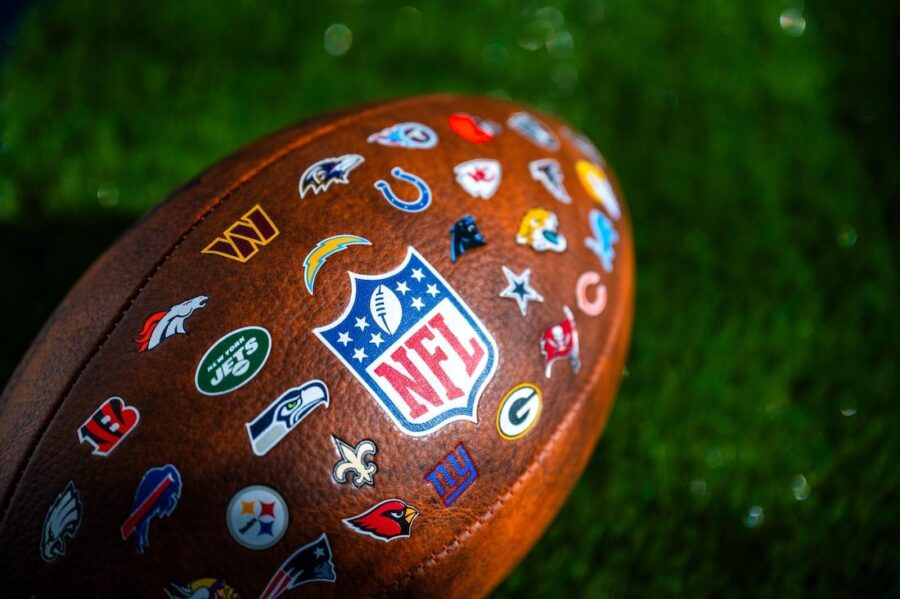
Digital marketing and acquisition group Pennsylvania-based Media Troopers, a d, has positioned its MediaCruiser platform as a tool for operators looking to capitalize on the NFL season, which kicks off 9 September with reigning Super Bowl champions the Seattle Seahawks facing the New England Patriots.
MediaCruiser gives operators access to Media Troopers’ affiliate network, along with tools for ROI and budget management, campaign materials and traffic optimization, and recently added AI capabilities aimed at streamlining marketing initiatives.

As sportsbooks and prediction markets increasingly compete for the same audiences, Media Troopers said the platform allows operators to adjust campaigns based on performance in real time.
“The NFL has always been one of the industry’s biggest customer acquisition opportunities, but the competitive landscape is changing quickly,” said Media Troopers Chief Executive Officer Shmulik Segal.”
The company said the growing presence of prediction markets alongside traditional sportsbooks has intensified competition for NFL audiences this season, with sports-event contracts offering fans an additional way to wager on their teams.
Charlotte Capewell brings her passion for storytelling and expertise in writing, researching, and the gambling industry to every article she writes. Her specialties include the US gambling industry, regulator legislation, igaming, and more.

Dig Deeper
Related stories
 2026/05/22: Media Troopers expands into Peru ahead of 2026 World Cup
 2026/03/16: Media Troopers announces LatAm expansion for 2026 FIFA World Cup
 2025/08/13: Optimove study indicates NFL bettors will bet consistently this year
 2025/08/21: Aristocrat Leisure, NFL combine for free-to-play NFL Super Bowl Slots social casino game
2026/05/22: Media Troopers expands into Peru ahead of 2026 World Cup
2026/03/16: Media Troopers announces LatAm expansion for 2026 FIFA World Cup
2025/08/13: Optimove study indicates NFL bettors will bet consistently this year
2025/08/21: Aristocrat Leisure, NFL combine for free-to-play NFL Super Bowl Slots social casino game
The Backstory
NFL season sharpens the acquisition race
Media Troopers’ push to position MediaCruiser around the NFL season fits into a broader shift in how betting and gaming companies are competing for sports audiences. The NFL has long been the most important customer-acquisition window for U.S. sportsbooks, but the market entering this season is more crowded, more expensive and more fragmented than in the first years after widespread legalization.
Operators are no longer competing only with rival sportsbooks for the same high-intent bettors. Prediction markets, fantasy products, pools, contests, free-to-play games and league-licensed social casino products are all trying to hold fans’ attention during the same weekly game cycle. That has increased the value of fast campaign testing, targeted messaging and affiliate distribution, particularly during marquee periods such as opening week, Thanksgiving games, the playoffs and the Super Bowl.
MediaCruiser is being pitched into that environment as a performance-marketing system that can help operators adjust spend and messaging while the season is unfolding. The timing matters because customer acquisition in football is concentrated and unforgiving: a weak launch around the start of the season can leave operators chasing rivals for months, while efficient early campaigns can build betting habits that persist through the postseason.
Bettor behavior points to sustained volume
The case for aggressive NFL-season marketing is supported by recent consumer research. An Optimove study on NFL wagering intentions found that 77% of NFL bettors planned to wager during the season, with weekly betting remaining the standard pattern. The findings suggested operators are not merely competing for one-off opening-week deposits but for recurring engagement across the full calendar.
The study also showed why personalization has become central to acquisition and retention. Bettors said they value app usability and promotional offers, while irrelevant marketing, poor app experiences and annoying messages are common reasons for leaving a platform. That dynamic raises the stakes for tools that can target bettors by geography, behavior and preferences rather than relying on broad national campaigns.
The research found 76% of NFL bettors place wagers through mobile or online platforms, reinforcing the importance of digital acquisition channels. It also found that 80% of users rely on two or more betting sites weekly, suggesting brand loyalty remains limited even among regular bettors. For operators, that creates both risk and opportunity: customers are reachable, but they are also willing to shift activity when offers, interfaces or communications fall short.
Promotions influence 41% of bettors, according to the study, but the more durable advantage may be relevance. Bettors preferred familiar bet types such as point spreads, moneylines and totals, and many said they would continue betting even if their favorite team was eliminated. Those habits give sportsbooks and adjacent platforms a long runway to communicate with users, provided campaigns can adapt to injuries, standings, player performance and game schedules.
League assets become more expensive
At the same time, the cost of official NFL access is rising. Fanatics has moved deeper into the league’s commercial betting ecosystem through a deal to become an official NFL sportsbook, replacing part of the structure the league previously had with FanDuel, DraftKings and Caesars Sportsbook. The earlier set of partnerships was estimated at about $1 billion over five seasons.
The Fanatics agreement underscored how valuable NFL intellectual property, media exposure and hospitality assets remain for sportsbook operators. It also showed that the market for official league affiliation is narrowing toward companies willing to pay for premium access, including official data arrangements tied to Genius Sports. Operators that cannot justify those costs may need to rely more heavily on affiliates, performance marketing, influencer channels and localized promotions to reach NFL bettors.
That context helps explain the relevance of platforms such as MediaCruiser. If official sponsorships become more expensive, operators without league-level inventory need measurable alternatives. Affiliate traffic, budget controls, campaign materials and real-time optimization become more important when paid media costs rise and when bettors are being courted by multiple brands before every kickoff.
The NFL’s commercial strategy also has implications beyond betting. By licensing gaming products and deepening sportsbook relationships, the league has turned its brand into a year-round engagement engine. That gives operators more ways to connect with fans, but it also increases the number of companies competing for the same digital attention.
Gaming products broaden the funnel
The launch of NFL Super Bowl Slots by Aristocrat Leisure’s Product Madness illustrated how the league is expanding its reach into gaming formats that sit outside real-money sports betting. The free-to-play social casino app, developed with the NFL and the NFL Players Association, allows users to engage with team-branded slot-style content on mobile devices.
Although free-to-play social casino games do not serve the same function as sportsbooks, they compete in the same attention economy. Fans checking scores, watching highlights, managing fantasy rosters or playing a branded social casino game are all part of the audience operators want to convert or retain. The NFL’s willingness to license team and player assets into those products increases the volume of football-related digital engagement during the season.
For acquisition businesses, that broadening funnel changes campaign design. Sports betting operators increasingly need to distinguish between users who are ready to deposit, fans who respond to entertainment products and customers who may move between free-to-play, fantasy and wagering environments. A platform that can segment traffic and adjust messaging can help operators avoid treating all NFL fans as the same audience.
The rise of prediction markets adds another layer. Sports-event contracts offer a different framing for wagering on outcomes, and their presence can pull financially curious users into NFL-related markets. That does not eliminate sportsbook demand, but it does pressure operators to explain their value proposition more clearly, especially around promotions, ease of use, bet variety and trust.
World Cup plans show a wider strategy
Media Troopers’ NFL-season push also follows a broader international expansion strategy tied to soccer and the 2026 FIFA World Cup. The company previously said it would expand across Latin America ahead of the World Cup, with localized MediaCruiser features for markets including Brazil, Mexico, Colombia, Argentina and Chile.
That announcement framed soccer as a global acquisition opportunity comparable to the NFL in the U.S., though spread across multiple regulated markets and languages. Media Troopers said it would provide operators with soccer-focused marketing channels, regional affiliates, geo-targeting technology and Spanish- and Portuguese-language capabilities. The emphasis on localization echoed the same commercial logic behind its NFL positioning: major sports events create short windows of unusually high intent, but operators need market-specific execution to convert interest into active users.
The company then moved to sharpen that LatAm strategy with plans to enter Peru ahead of the 2026 World Cup. Peru’s regulated igaming sector has expanded quickly since regulation was introduced in 2024, with more than 60 online operators and 120 licenses issued by Mincetur. Analysts have valued the market at about $2.7 billion in 2024, with projected growth to $7.6 billion by 2033.
Peru demonstrates why acquisition technology has become central to market entry. A newly regulated sector with dozens of operators creates competition for consumer trust, brand recognition and affiliate placement. The 2026 World Cup, scheduled for June 11 to July 19 across the U.S., Canada and Mexico, is expected to intensify that competition across the region, particularly because time zones and regional fan interest may support high engagement.
The stakes for operators
The through line across these developments is that sports betting growth is increasingly driven by execution rather than market novelty. Legalization opened the door for sportsbooks, but mature competition now rewards companies that can acquire customers efficiently, personalize communications and respond quickly to shifts in demand.
For the NFL season, that means operators must balance promotions with profitability, volume with responsible gambling safeguards and acquisition spending with retention. Optimove’s findings that many bettors set budgets but still overspend point to another risk: operators need engagement strategies that do not undermine trust or attract regulatory scrutiny.
Media Troopers’ positioning of MediaCruiser speaks to that operating environment. The platform is not being marketed simply as an affiliate tool, but as part of a performance infrastructure for a market in which sportsbooks, prediction markets and entertainment products are converging around the same fans. The companies that can identify valuable traffic, tailor offers and adjust campaigns week by week will be better placed to turn major sports calendars into lasting customer relationships.
