


Lawsuit filed against DraftKings in Massachusetts over use of “weaponized AI”

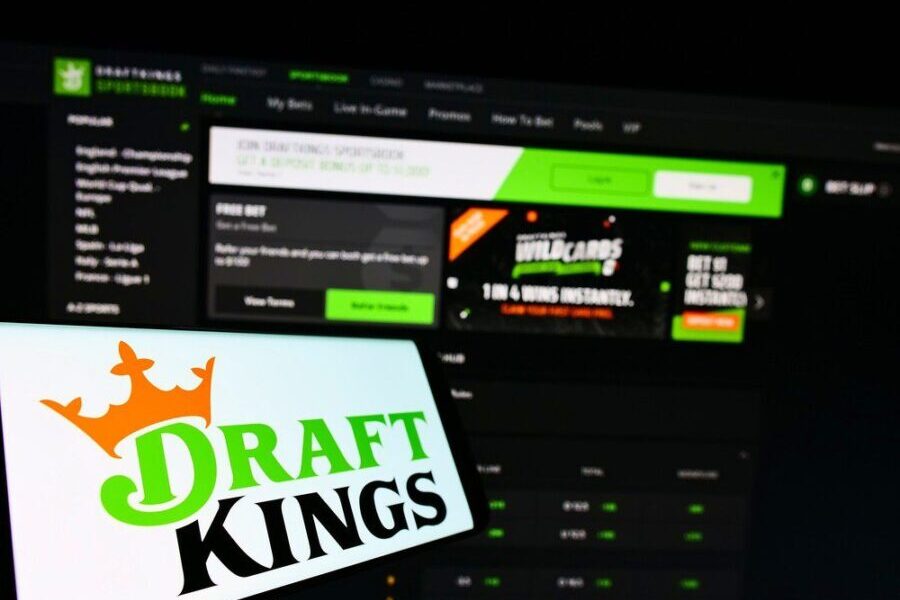
US sportsbook operator DraftKings has been sued in Massachusetts over what the plaintiff alleges is the use of “weaponized AI” to target gamblers.
The lawsuit follows an investigation published by The New York Times last month that accused DraftKings of using machine learning and AI to “target losing gamblers with promotions that encourage more betting.”

The plaintiff, Daniel Vest from West Virginia, filed the suit in the US District Court in Boston on Wednesday, saying that he had gambled thousands of dollars with DraftKings over the years and that during that time, he was spammed with multiple promotions from the operator.
Vest said that he had filed the lawsuit on behalf of himself and others targeted by the same promotions.
“DK (DraftKings) has weaponized AI to do just that — understand and exploit users’ vulnerabilities to financially benefit the company,” the lawsuit reads.

Speaking to MassLive, a DraftKings spokesperson denied the claims that it uses AI to target customers. “DraftKings does not use AI to target customers based on losses, nor do we use AI to target customers based on indicators of potential problem gaming,” they said. “We intend to vigorously defend any potential lawsuits on the matter.”
The lawsuit cites the Times investigation, which found that DraftKings would score customers based on betting habits, with those holding higher scores expected to lose more money through targeted promotions. Vest personally received up to 70 promotions through emails and in-app notifications between August and September as an incentive to keep betting.
Additionally, the suit claims that DraftKings’ use of AI violates Massachusetts gaming laws, which prohibit operators from using customers’ information to promote offers based on AI or machine learning systems. The Massachusetts Gaming Commission, following the Times investigation, said that it was looking into how DraftKings and other operators use AI within the state.
Charlotte Capewell brings her passion for storytelling and expertise in writing, researching, and the gambling industry to every article she writes. Her specialties include the US gambling industry, regulator legislation, igaming, and more.

Dig Deeper
Related stories
 2026/09/25: Massachusetts Gaming Commission to examine gambling operators’ AI use
 2026/09/22: New York Times investigation alleges DraftKings uses AI to target high-loss gamblers
 2026/07/27: Aristocrat Interactive launches lottery games in Massachusetts
 2025/09/13: Massachusetts Attorney General sues Kalshi for illegal sports wagering operations
2026/09/25: Massachusetts Gaming Commission to examine gambling operators’ AI use
2026/09/22: New York Times investigation alleges DraftKings uses AI to target high-loss gamblers
2026/07/27: Aristocrat Interactive launches lottery games in Massachusetts
2025/09/13: Massachusetts Attorney General sues Kalshi for illegal sports wagering operations
The Backstory
Massachusetts scrutiny moved from inquiry to litigation
The lawsuit against DraftKings marks a significant escalation in Massachusetts’ examination of how sports betting operators use customer data, artificial intelligence and targeted promotions. What began as regulatory concern after a New York Times investigation has now become private litigation alleging that one of the state’s largest licensed sportsbooks used automated tools to push higher-risk customers toward more betting.
The case was filed in federal court in Boston by Daniel Vest, a West Virginia customer who says he received repeated offers from DraftKings and is seeking to represent others who were targeted in similar ways. The complaint alleges that DraftKings “weaponized AI” by using customer information to identify vulnerabilities and send incentives that encouraged continued gambling. DraftKings has denied using AI to target customers based on losses or indicators of problem gambling and said it will defend itself.
The suit lands in a state that has tried to build one of the more prescriptive sports betting regulatory frameworks in the U.S. Massachusetts rules restrict the use of customer information in automated promotional systems where the technology is known or reasonably expected to increase addiction risks. Operators also must provide the Massachusetts Gaming Commission with information about how they analyze customer behavior for marketing and responsible gambling purposes.
New York Times report triggered the regulatory chain
The immediate backdrop is the New York Times investigation that alleged DraftKings used machine learning to identify customers more likely to respond to promotions by continuing to gamble and lose money. As detailed in reporting on the New York Times allegations involving DraftKings and AI-driven promotions, the system was said to have considered betting frequency, account balance and historical losses before assigning users scores tied to expected promotional value.
The newspaper’s account, based on interviews with more than 40 former DraftKings employees and internal materials, described a model developed in 2023 as operators faced pressure to reduce costly bonus spending while keeping high-value bettors engaged. Former employees cited in the report said the company tested whether promotions could be redirected to customers expected to generate greater losses. DraftKings countered that its offers are aimed at customers showing sustained engagement, not those selected because of losses.
The timing matters. Sportsbooks have been under investor pressure to show profitable growth after years of expensive customer acquisition. Promotions, free bets and bonuses were once used broadly to gain market share. As the industry matured, operators increasingly sought to personalize offers and reduce waste. The legal and regulatory question now confronting DraftKings is whether that optimization crossed a line into prohibited targeting of consumers who may be vulnerable to gambling harm.
The commission had already opened the door
Before the lawsuit was filed, the Massachusetts Gaming Commission had said it would examine how licensed operators use AI. In its review of gambling operators’ AI practices, the commission indicated it would contact DraftKings and look more broadly at the industry. Chair Jordan Maynard and Commissioner Paul Brodeur framed the issue as one requiring a clearer understanding of how automated systems are being deployed, not only by one company but across the regulated market.
That review is important because Massachusetts regulations already anticipate some of the risks now being alleged in court. State rules do not simply require responsible gambling messaging after harm occurs. They require operators to explain how behavior is analyzed for both promotional and responsible gambling purposes. That means the same data capable of identifying a profitable customer may also show signs of risky play, creating tension over whether operators are using analytics to intervene or to intensify engagement.
The commission has said operators can face fines or license consequences for violations, though it had not previously brought an AI-specific enforcement action. The Vest lawsuit may accelerate that process by forcing discovery into how DraftKings designs, tests and approves promotional models. Even if the regulator takes no immediate enforcement step, litigation can surface documents, internal communications and expert analysis that reshape the commission’s understanding of industry practice.
Massachusetts has taken a broader enforcement posture
The DraftKings dispute also fits into a wider Massachusetts strategy of testing the boundaries of online gambling regulation. Attorney General Andrea Joy Campbell has been active against companies she says are offering gambling products without the safeguards required of licensed operators. In September, her office sued Kalshi over alleged illegal sports wagering operations, arguing that sports event contracts closely resemble wagers and should be subject to state sports betting law.
That case focused on prediction markets rather than licensed sportsbooks, but the underlying concerns overlap: age restrictions, consumer protections, addiction risk, deposit controls and whether companies can structure products or technology to avoid gambling rules. Kalshi is regulated by the Commodity Futures Trading Commission, while DraftKings is licensed by the Massachusetts Gaming Commission. Still, both disputes show the state’s willingness to challenge business models it believes undermine the protections built into its sports betting regime.
The Kalshi fight quickly broadened when Robinhood sued the Massachusetts Gaming Commission over potential enforcement affecting its access to Kalshi sports event contracts. Robinhood argued that state gambling laws should not apply to its role because trades occur on Kalshi’s platform. Together, the Kalshi and Robinhood cases illustrate the pressure on state regulators as sports wagering, financial technology and consumer apps converge.
Data-driven growth is expanding across state gaming
Massachusetts is not hostile to online gaming technology. The state is simultaneously modernizing legal gambling channels, including through the launch of its first online lottery program. Aristocrat Interactive recently went live with a turnkey ilottery system for the Massachusetts State Lottery, including player account management, eInstant games, draw-based products, business intelligence tools, promotions, data analytics and responsible gameplay services. The launch, covered in Aristocrat Interactive’s Massachusetts lottery rollout, shows that the state is embracing digital gaming infrastructure when it is tied to a state-run framework and defined public purpose.
That contrast helps explain the stakes in the DraftKings case. Digital gambling depends on customer segmentation, data analysis and personalized engagement. Regulators are not trying to ban analytics outright; they are trying to determine when analytics become harmful or unlawful. If a platform uses AI to limit risky behavior, verify compliance or improve responsible gambling tools, it may support regulatory goals. If similar tools are used to identify customers likely to lose more money after receiving bonuses, they may invite enforcement, lawsuits and reputational damage.
The case could shape AI rules beyond one operator
The litigation against DraftKings could become a test of how courts interpret state gambling rules written before generative AI and advanced machine learning became central to consumer marketing. The plaintiff will need to show more than aggressive promotion. The case is likely to turn on whether DraftKings used automated systems in ways prohibited by Massachusetts law, whether customers were targeted based on losses or vulnerability and whether the alleged conduct caused legally recognizable harm.
For DraftKings, the stakes include potential damages, discovery into proprietary systems and closer regulatory supervision in its home state. For other operators, the case may set expectations for documentation, model governance and separation between promotional analytics and responsible gambling monitoring. Companies may face pressure to show that AI tools are audited, that risk signals are not used for marketing and that compliance teams have real authority over product and promotional strategy.
The broader industry risk is that personalization, long promoted as a way to improve efficiency, could become a liability if regulators and courts conclude it exploits addiction risk. Massachusetts has already shown it is prepared to scrutinize licensed sportsbooks, prediction markets and digital lottery vendors under different legal frameworks. The DraftKings lawsuit brings those strands together, making AI not just a technology issue but a central test of consumer protection in the next phase of U.S. online gambling.
