
Indian Gaming Association says prediction markets pose urgent threat to tribes

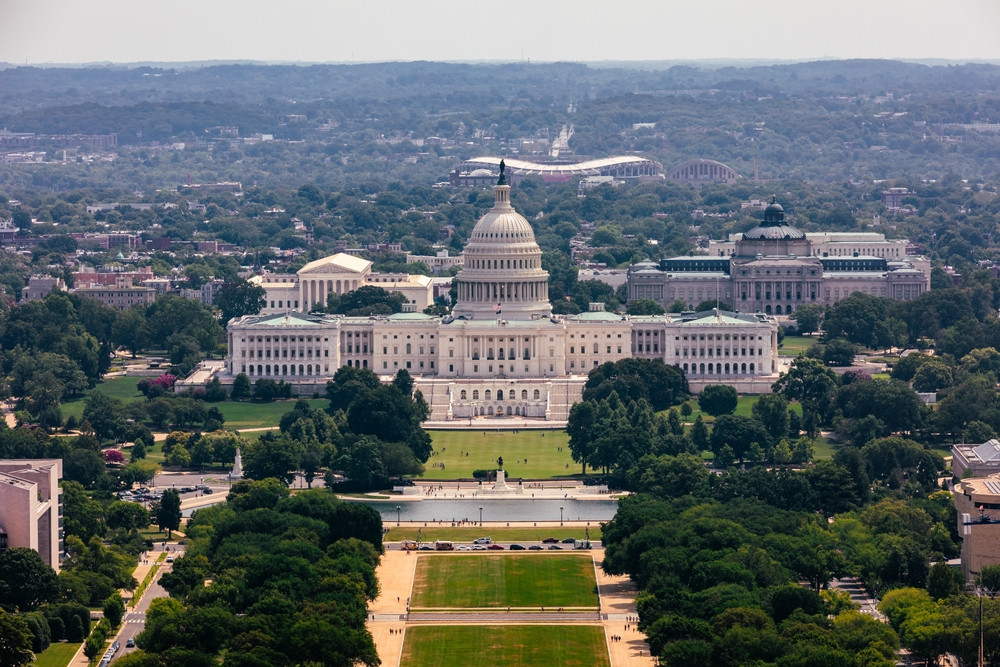
The Indian Gaming Association has gathered tribal leaders, policymakers, and industry advocates at Capitol Hill for a congressional briefing to spotlight what they see as a major threat to tribal gaming and sovereignty.
Presenters at the briefing said that the rapid growth of sports-event contracts offered by online prediction market platforms undermines existing gaming regulations and tribal authority, according to Native News Online.

To start things off, Chairman Dave Z. Bean criticized these platforms for taking part in what he describes as illegal gambling.
“Sports event contracts being offered through prediction markets are the biggest threat to Indian gaming since IGRA was introduced to restrict Indian Gaming. They are not innovative financial tools. They are illegal sports betting products being routed through futures exchanges to avoid gaming law. That is a direct attack on tribal sovereignty,” he said.
Panelists said that prediction markets lacked consumer protections and had gaps in oversight. This includes the lack of geofencing technology on the platforms, which enables them to operate on tribal lands and bypass tribal authority.

Concerns were also raised regarding the Commodity Futures Trading Commission, which regulates prediction markets, and its position that sports prediction markets are not illegal, which has increased tensions between tribes and regulators.
Throughout the briefing, tribal leaders emphasized that gaming revenue supports essential services for their communities. They argued that allowing unregulated platforms to operate within their borders could undercut tribal economies and sovereign rights.
In recent news, Nevada Rep. Dina Titus introduced federal legislation aimed at preventing sports-event contracts offered by platforms, as states continue to attempt to ban the platforms.
Abi Bray brings strong researching skills to the forefront of all of her writing, whether it’s the newest slots, industry trends or the ever changing legislation across the U.S, Asia and Australia, she maintains a keen eye for detail and a passion for reporting.

Verticals:
Sectors:
Topics:
Dig Deeper
Related stories
 2026/01/21: ICE: Tribal leaders and American Gaming Association confront prediction markets issue
 2026/01/22: Native American tribes say prediction markets siphon tribal casino money
 2026/01/13: AGA and IGA urge Congress to address sports event contracts
 2025/10/02: Robinhood eyes overseas expansion for prediction markets
2026/01/21: ICE: Tribal leaders and American Gaming Association confront prediction markets issue
2026/01/22: Native American tribes say prediction markets siphon tribal casino money
2026/01/13: AGA and IGA urge Congress to address sports event contracts
2025/10/02: Robinhood eyes overseas expansion for prediction markets
The Backstory
How a niche product became a sovereignty flash point
Tribal gaming leaders and commercial casino executives have been warning for months that fast-growing prediction markets are encroaching on regulated sports betting and tribal authority. At a joint appearance in Barcelona, the American Gaming Association and the Indian Gaming Association framed the boom in “events contracts” as part of a broader “gamblefication of everything,” contrasting traditional gaming’s compliance culture with platforms that pitch contracts as portfolio products. The discussion at ICE 2026 underscored industry unease over crypto-enabled trading, insider information risks and marketing that blurs lines between speculation and wagering.
Since the U.S. Supreme Court overturned PASPA in 2018, states have built sports betting regimes around consumer protections, licensing and geofencing. Tribes say prediction markets sidestep those guardrails by operating as federally regulated futures venues with national reach. They argue that puts sovereign jurisdictions at a disadvantage, because platforms can reach users on tribal lands without compacts or oversight. The industry pushback has widened as contracts have expanded from single-game outcomes to parlays and adjacent college sports activity, escalating concerns about exposure to younger users and new forms of manipulation.
The stakes are economic and political. Tribal gaming funds essential services in many communities. Leaders contend that any erosion of on-reservation control over gaming-like activity is a direct threat to self-determination, even if contracts clear through the Commodity Futures Trading Commission. That argument has become central as tribes press policymakers to close what they describe as a regulatory loophole that lets sports wagers masquerade as financial instruments.
From courtrooms to Congress
Legal tests have begun to define the boundaries, with mixed results for tribes. In California, a federal judge declined to block Kalshi’s sports-linked contracts, finding they fall under the Commodity Exchange Act with the CFTC holding exclusive jurisdiction. The ruling in Judge Jacqueline Scott Corley’s decision suggested the Indian Gaming Regulatory Act does not contemplate internet-era markets. That setback sharpened tribal focus on policy rather than litigation.
Trade groups have turned to Washington. In a joint letter, the American Gaming Association and the Indian Gaming Association urged Congress to step in, calling sports event contracts “indistinguishable from legal sports betting” and warning that recent product changes like parlays show rapid regulatory arbitrage. The groups argued the CFTC has not moved to rein in these offerings but said lawmakers can direct the agency through statute. They tied the issue to broader digital-asset policy, telling lawmakers that cryptocurrency market structure legislation could help prevent gaming from being offered under the guise of futures.
The letter cited mounting alarm over contracts tied to sensitive geopolitical events, which critics say invite manipulation and reward bad incentives. It also highlighted tensions with sportsbooks that have explored prediction market products alongside licensed wagering, a development that forces tribes and commercial operators to reassess partnerships built on strict compliance norms.
Connecticut becomes a test case
The policy fight has spilled into state enforcement. In late 2024, Connecticut regulators ordered several platforms to halt sports event contracts, triggering court challenges and new alliances. The Indian Gaming Association and 16 tribes backed the state’s position in a brief that accused operators of siphoning revenue from tribal casinos by offering sports-linked contracts without consent. That filing, described in reporting on tribal claims of diverted gaming revenue, aligns with actions the Department of Consumer Protection took against Kalshi, Robinhood and Crypto.com.
Connecticut’s case file shows regulators moving beyond warnings. The state’s cease-and-desist orders, detailed in a Consumer Protection notice, framed sports events contracts as unlicensed online gambling. Kalshi responded with a lawsuit arguing its contracts are federally regulated swaps, not state-licensed wagers. Coverage of the tribes’ supporting brief traced the complaint to a broader narrative that platforms are expanding faster than oversight, with valuations that have surged even as legal uncertainty persists. For background on that argument and the tribes’ position, see Decrypt’s report on claims that Kalshi and peers siphon casino revenue.
The Connecticut clash matters beyond state lines. A win for regulators would embolden other states to treat sports-linked events contracts as gambling and push platforms toward licensing or withdrawal. A win for platforms would entrench CFTC primacy and complicate tribal and state efforts to fence off local jurisdictions, including on-reservation markets.
Platforms scale while pressure builds
Even as legal risks mount, major consumer brands are testing demand. Robinhood has rolled out events contracts domestically and is sizing up foreign markets, talking with the UK’s Financial Conduct Authority about how to structure offerings under local law. Executives emphasized compliance and restraint on controversial listings, but the company is explicit about the revenue opportunity. A recent analyst report cited by the firm suggested sports and events contracts had already generated hundreds of millions of dollars. The strategic tilt was outlined in reporting on Robinhood’s overseas plans, underscoring how consumer trading apps see events markets as a growth engine.
Rivals have gained scale, too. Tribes point to multibillion-dollar private valuations as proof the business is diverting dollars from regulated casinos, not just offering harmless novelty markets. That argument resonates with operators who have invested heavily to comply with state-by-state rules on advertising, responsible gaming and geofencing. It also underscores why industry trade groups now portray prediction markets not as a tech experiment but as a direct competitive threat to licensed sportsbooks and tribal revenue streams.
What to watch next
The next phase is likely to unfold on three tracks. First, Congress could clarify the line between permissible event contracts and de facto sports betting, especially if crypto market structure bills move. The gaming trade groups’ request for legislative direction sets the stage for hearings that test the CFTC’s current stance. Second, states may emulate Connecticut’s approach with cease-and-desist orders, spurring fresh litigation over jurisdiction and definitions. Third, business decisions by sportsbooks and their tribal partners could shift as companies evaluate the reputational and regulatory risks of straddling both models.
For tribes, the core issue remains control over gaming-like activity on sovereign land and the funding it supports. For platforms, the challenge is proving that events contracts are a distinct, federally supervised product with robust safeguards. However the lines are drawn, the outcome will shape how Americans speculate on sports and public events, who regulates those bets and which communities capture the proceeds.

