


Illegal gambling sites using Australian Open in recent promotions

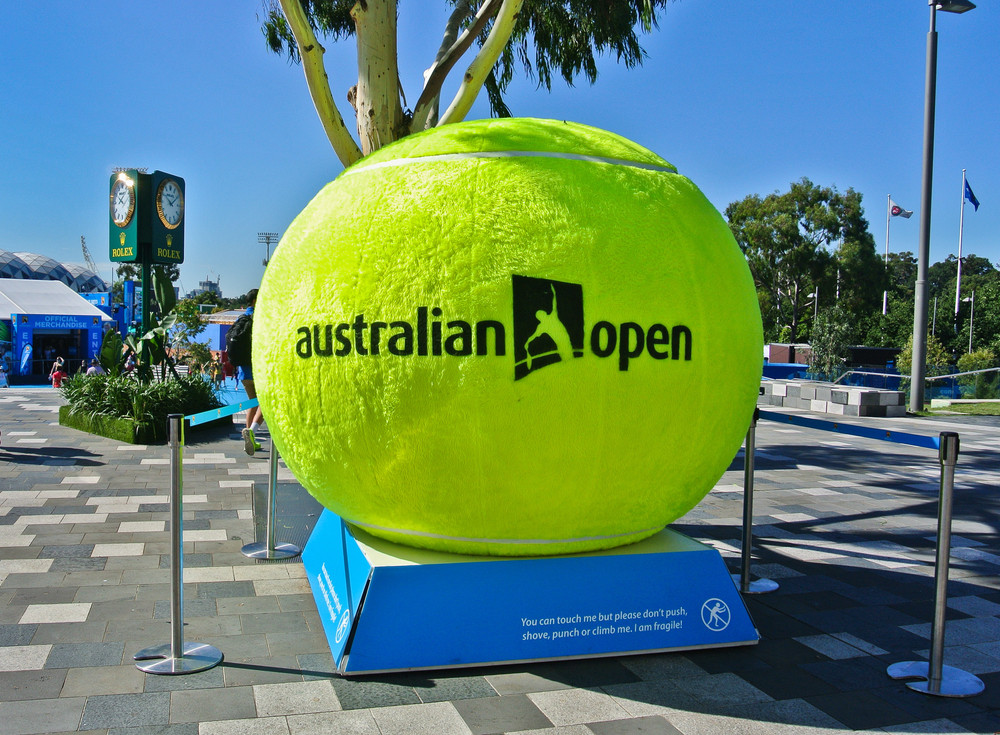
Offshore gambling sites are using the tennis grand slam tournament Australian Open to illegally promote their services to bettors, according to The Guardian.
Regulators and industry groups have raised concerns about the growth of offshore platforms, which operate outside Australian law and offer no protection to players.

One unlicensed online casino, Vegastars, recently offered front-row Australian Open tickets as a promotional tool. It attracted thousands of social media interactions, including comments from Australian Instagram users. It also used the Australian Open logo despite no affiliation with the tournament.
At least three other illegal sites were found to have used tournament branding or player images in their marketing, and an additional 10 reportedly advertised Australian Open-themed offers.
Kai Cantwell, Chief Executive of Responsible Wagering Australia, which represents sportsbook operators like Bet365 and Betfair, warned that such branding and giveaways could mislead consumers into thinking offshore platforms are legal.

“The fact this is happening openly during Australia’s biggest sporting events shows how far enforcement is lagging behind the reality of offshore gambling,” Cantwell told The Guardian.
The Australian Communications and Media Authority also has confirmed that Vegastars is an illegal site and said it will order internet service providers to block access to the site.
The regulator is also investigating other operators and influencer promotions linked to offshore betting.

Since 2019, the Australian Communications and Media Authority says it has blocked more than 220 illegal gambling services. But some consumer advocates say stronger measures, including payment blocking, would be more effective than website bans alone.
Charlotte Capewell brings her passion for storytelling and expertise in writing, researching, and the gambling industry to every article she writes. Her specialties include the US gambling industry, regulator legislation, igaming, and more.

Dig Deeper
Related stories
 2025/10/17: Australian media regulator blocks seven illegal online gambling sites
 2025/04/16: Australian gambling regulator blocks four illegal gambling sites
2026/02/19: Australian sportsbook operators call for national gambling blacklist
2025/04/16: Australian gambling regulator blocks four illegal gambling sites
2026/02/19: Australian sportsbook operators call for national gambling blacklist
 2025/11/21: Offshore online gambling market costing Australians billions, according to report
2025/10/17: Australian media regulator blocks seven illegal online gambling sites
2025/04/16: Australian gambling regulator blocks four illegal gambling sites
2026/02/19: Australian sportsbook operators call for national gambling blacklist
2025/11/21: Offshore online gambling market costing Australians billions, according to report
The Backstory
How the Australian Open became a flash point
Offshore gambling operators have long targeted marquee sporting events, but the Australian Open’s global profile and social media reach made it a magnet this season. Unlicensed platforms leveraged tournament branding, player imagery and ticket giveaways to project legitimacy and capture new bettors. The tactics reinforced a pattern: as regulators sharpen enforcement, illegal operators shift to event-led promotions and influencer channels to evade oversight and exploit consumer confusion.
The Australian Communications and Media Authority (ACMA) has repeatedly warned that unlicensed services lack basic consumer safeguards and operate outside the Interactive Gambling Act 2001. The regulator’s recent actions, along with industry pressure, show a concerted push to stem the flow of offshore marketing during peak sports moments. But the promotions tied to the tennis grand slam highlight the gap between enforcement and the speed of digital advertising, where opportunistic operators can target Australians at scale in days, not months.
Responsible Wagering Australia has flagged the risk that tournament-branded offers can mislead fans into assuming legality. The episode underscores a broader challenge for regulators and licensed bookmakers alike: when illegal sites blend into mainstream sports culture, the harm extends beyond individual losses to reputational damage for events and sponsors and erosion of trust in regulated markets.
ACMA’s escalating site blocks
ACMA has leaned on network-level tools as a frontline deterrent, directing internet service providers to block hundreds of sites since late 2019. In November, the agency added seven platforms to the blacklist, including Rain.gg, Malina Casino and Spins of Glory, after finding they breached the Interactive Gambling Act. The move followed a similar step in July. ACMA says 1,338 illegal gambling and affiliate sites have been blocked to date, with roughly 220 services exiting the market since a stricter enforcement phase began in 2017. That trend continued in April when ACMA told ISPs to block four more operators after investigations found they contravened the law. The regulator has emphasized that even slick, sports-centric marketing is no substitute for licensing and consumer protections.
Despite the volume of takedowns, offshore activity has persisted. Advocacy research cited by ACMA and industry groups estimated the illegal overseas market at about AU$1.1 billion in 2023, roughly 15% of Australia’s gambling sector, suggesting blocking remains necessary but insufficient. The pattern points to the need for layered interventions: faster detection, payment disruption, marketing restrictions and coordinated actions with social platforms during event windows when illicit advertising spikes.
Read more about the November action in ACMA’s directive that ordered ISPs to block seven illegal gambling sites, and the April follow-up where the watchdog moved against four additional operators.
Influencers in the crosshairs
A key accelerant behind event-driven promotions has been influencer marketing, where offshore sites exploit creator networks to reach bettors who may not recognize licensing distinctions. In response, ACMA put social media personalities on notice last year, threatening fines up to AU$59,400 for promoting illegal services. The warning followed cases in which high-profile accounts pushed offers from Leon Australia, an unlicensed operator claiming top-tier status despite operating from Belize. ACMA subsequently asked ISPs to block access to the Leon site and reminded creators that “programmatic” ad buyers do not absolve promotional responsibility.
The crackdown on influencer-led promotion matters for two reasons. First, creators often target younger fans who are heavy social media users and more likely to engage with tournament-related content. Second, the mix of giveaways, team or player imagery, and call-to-action links mimics legitimate sponsorships, blurring lines for casual bettors. ACMA’s penalty threat signals that accountability extends beyond operators to the digital intermediaries who amplify unlicensed gambling offers.
Details of the enforcement stance are outlined in ACMA’s warning that threatened influencers with fines for promoting illegal offshore operators.
Licensed operators aren’t off the hook
While offshore platforms draw the toughest sanctions, regulators are also scrutinizing compliance lapses by licensed firms with sizable local profiles. ACMA fined Betfair AU$871,660 for sending promotional emails and texts to VIP customers without consent and, in some cases, without an unsubscribe option. The penalty included a two-year enforceable undertaking requiring an independent review, staff training and routine reporting. Earlier, ACMA penalized Tabcorp over similar spam violations targeting VIPs.
The Betfair case underscores that consumer protection obligations do not end at licensing. The same high-profile sporting calendars that entice offshore operators can tempt regulated firms to push the limits of direct marketing, especially to high-value bettors. ACMA’s message is that permission-based communication is nonnegotiable, and breaches will invite costly remediation on top of fines.
For more, see the agency’s action in which Betfair paid an AU$871,660 penalty for spam breaches.
A global playbook takes shape
Australia is not alone in facing a swelling offshore market that pivots quickly around sports and social media. U.S. regulators have stepped up parallel efforts, emphasizing that illegal operators flout consumer safeguards and often withhold winnings or impose opaque wagering terms. The Michigan Gaming Control Board recently issued cease-and-desist letters to 11 unlicensed sites targeting state residents, citing violations across multiple statutes and promising formal action with the attorney general if operators do not comply. The hard line mirrors ACMA’s approach: public naming, swift legal escalation and pressure on intermediaries to cut access.
Cross-border alignment still lags the pace of digital promotion, but the regulatory direction is clear. More agencies are focusing on payment flows, affiliate networks and influencer accountability, not only on URL blocks. As sporting events globalize and streaming fragments audiences, regulators are trying to meet bettors where they are—on social platforms and mobile apps saturated with tournament content and time-limited offers.
See how similar tactics are unfolding in the United States as Michigan authorities targeted 11 more illegal gambling sites.
The stakes for fans, brands and the tournament
The Australian Open’s brush with offshore promotions illustrates why enforcement is more than jurisdictional housekeeping. For fans, the risks include financial loss, identity theft and a lack of dispute resolution. For brands and rights holders, unauthorized use of logos and player imagery dilutes sponsorship value and can confuse consumers about official partnerships. For the tournament, the association with unlicensed gambling undermines responsible wagering initiatives and invites scrutiny from regulators and lawmakers.
ACMA’s blocking orders and influencer warnings are designed to shift incentives: raise the cost of illegal promotion, narrow the reach of unlicensed operators and remind creators that accountability applies to digital endorsements. But the persistence of offshore marketing around major events suggests additional tools may be needed, from payment blocking and faster takedown protocols to deeper collaboration with platforms during high-risk periods.
As the next wave of marquee sports arrives, expect regulators to expand event-centric monitoring and to test new measures that hit the business models of illegal operators. The message to consumers remains straightforward: check the licensed register, treat glossy giveaways with skepticism and understand that legality, not presentation, determines whether protections apply.
